


Best Pickleball Paddle Accessories Worth Buying

A great paddle should feel like an extension of your hand, not a slippery, beat-up piece of equipment you have to fight through a third-game sweat session. The best pickleball paddle accessories solve real on-court problems: they protect your paddle, improve your connection to the handle, and keep small annoyances from stealing focus when points get tight.
That does not mean buying every add-on hanging near a pro shop counter. Some accessories genuinely change comfort, consistency, and paddle lifespan. Others are just clutter for your bag. Here is where smart players put their money first.
Best Pickleball Paddle Accessories for Real Performance
1. Overgrips for a secure, confident handle
If your paddle handle becomes slick halfway through a match, an overgrip is the first accessory to buy. It wraps over your existing factory grip to absorb moisture, improve tackiness, and give you a more reliable hold during fast hand battles and heavy topspin drives.
The performance benefit is not subtle. When your hand is stable on the handle, you can relax your grip pressure. That helps you feel the ball better on dinks, resets, and soft drops while still accelerating the paddle when a speedup comes your way. A worn or slippery grip often makes players squeeze too hard, which can reduce touch and fatigue the forearm.
Overgrips also let you fine-tune grip size. Players with larger hands may prefer one or two wraps to build up a thinner handle. Players who like fast wrist action may want the smallest possible handle with a thin, tacky overgrip. There is no universal answer. The right setup is the one that lets you switch between forehand, backhand, and quick defensive blocks without the paddle twisting in your hand.
Replace an overgrip once it loses tack, gets dirty, or feels compressed. For frequent players, that can mean every few weeks. It is a low-cost upgrade that delivers a far bigger return than most cosmetic accessories.
2. Edge tape to protect the paddle where it takes hits
The edge of a pickleball paddle sees more abuse than most players realize. It clips the court on low balls, catches fence posts, taps another paddle during a scramble, and absorbs accidental contact in crowded rec play. Edge tape adds a protective layer around the perimeter, especially on edgeless paddles or paddles with thin edge guards.
It is not invincible armor, and it will not repair a cracked paddle. But quality edge tape can reduce cosmetic damage and help keep the perimeter looking cleaner over time. That matters if you play often, carry your paddle loosely in a bag, or want to preserve resale condition.
There is a trade-off. Tape adds a small amount of weight around the outside of the paddle, which can increase swing weight and make the paddle feel a bit more stable. Some players like that added solidity on blocks and drives. Others, especially players who prioritize hand speed at the kitchen, may notice the paddle feels slower. Use a narrow strip and apply only what you need rather than wrapping every inch by default.
3. A padded paddle cover for protection between games
A paddle cover is not exciting, but it is one of the easiest ways to protect a premium carbon fiber face. Raw carbon surfaces are designed to create spin through texture and ball bite. Tossing a paddle unprotected next to keys, water bottles, shoes, and loose balls is an easy way to create unnecessary scuffs.
Choose a cover with padding and a soft inner lining. It should fit the paddle without bending the handle or compressing the face. A cover is especially useful for players who keep their gear in a car, travel to leagues, or bring multiple paddles to open play.
A full paddle bag can serve the same purpose if it has a dedicated padded compartment. If your current bag has one, you do not need to buy a separate cover just for the sake of owning more gear. Protection is the goal, not accessory accumulation.
4. Paddle cleaning tools that preserve spin texture
Carbon fiber paddles collect plastic residue from pickleballs. Over time, that buildup can make the face look dull and may reduce the texture you rely on for cuts, rolls, and dipping serves. A paddle eraser or purpose-made cleaning block removes residue without soaking the surface or grinding away at it.
Use gentle pressure and clean the face after a few sessions, or sooner if you can clearly see ball marks. Avoid household cleaners, harsh solvents, and abrasive pads. They can damage the finish, affect graphics, or leave residue of their own.
A soft microfiber towel is useful here too. Keep one in your bag for wiping away moisture, dust, and light surface dirt. It is a simple habit, but players who care about consistent spin and clean contact should treat paddle maintenance like string maintenance in tennis. Your surface is part of your performance package.
5. Lead tape or tungsten tape for custom stability
Weight tape is for players who know what they want to change. Adding lead tape or tungsten tape around the edge of a paddle can increase stability, expand the effective sweet spot, and give drives and counters more plow-through. It can be a smart move for a paddle that feels quick but gets pushed around when opponents hit hard.
Placement changes the result. Tape near the throat tends to add stability with less impact on hand speed. Tape closer to the top of the paddle can add more power and put-away potential, but it also raises swing weight. Tape near the sides can help resist twisting on off-center contact.
Start small. A few grams can be noticeable, particularly on an already powerful thermoformed paddle. Test the setup during drills before taking it into league play. More weight is not automatically better. If your hands slow down, your elbow gets sore, or resets start floating, you may have gone too far.
If you use lead tape, cover it with edge tape and wash your hands after handling it. Tungsten tape costs more but is a convenient alternative for players who prefer to avoid lead.
6. A dedicated pickleball bag that keeps gear organized
A good bag does more than carry equipment. It separates your paddle from shoes, protects it from loose gear, and gives sweat-soaked clothing somewhere to go after a long session. For players who show up with one paddle and a water bottle, a compact sling bag may be enough. Tournament players and regular club players will usually appreciate a larger backpack with separate compartments.
Look for padded paddle storage, a ventilated shoe area, room for balls, and side pockets that actually hold a water bottle securely. Insulated pockets are useful in hot weather, but they are not essential for everyone. Prioritize organization and protection over oversized branding.
7. Sweat control accessories for hot, high-volume play
A wristband, hat, visor, or cooling towel will not add spin to your serve. It can still improve your match. Sweat running into your eyes or down your hand becomes a real distraction when temperatures rise, and a damp grip can quickly turn into a control problem.
Players who sweat heavily should pair a moisture-absorbing overgrip with a wristband or small towel. Keep a spare overgrip in the bag during summer league nights. That combination is more useful than hoping the factory grip survives three humid games unchanged.
8. Practice accessories that sharpen your actual weaknesses
The best training accessory depends on what is holding you back. A portable practice net is useful if you have driveway space and want more reps on serves, drops, and dinks. A ball hopper saves time during drilling. Court markers can help create target zones for third-shot drops, return depth, and crosscourt dinks.
Do not confuse more gear with better practice. One basket of balls and a clear objective can beat an expensive setup used twice a month. If you are working on consistency, target markers and repetition are enough. If you are trying to improve hand speed, a training partner and rapid-fire reset drills are more valuable than another gadget.
Build Your Paddle Setup Around Your Game
For most players, the smart order is simple: start with an overgrip, add paddle protection, and keep a cleaning tool in your bag. Those three accessories support comfort, durability, and consistent spin without changing the way your paddle plays.
Add weight tape only when you can name the issue you are trying to solve. Maybe your paddle twists against hard drives. Maybe you want a little more stability without abandoning a fast, control-oriented shape. That is when customization earns its place.
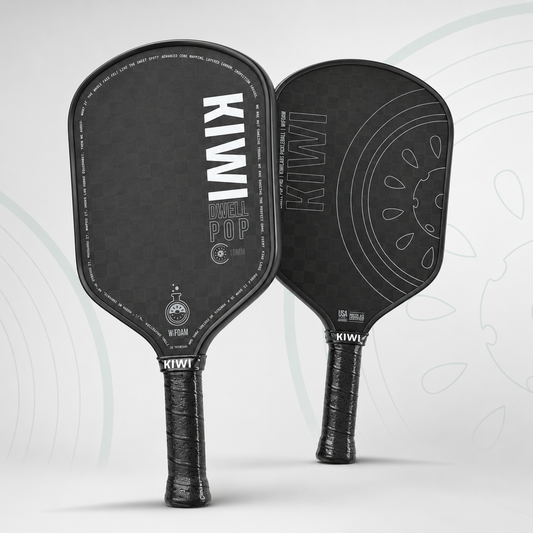
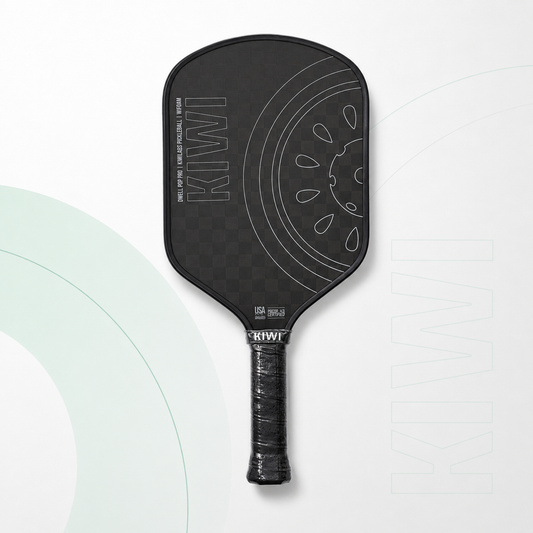
Kiwi Labs Pickleball builds paddles around modern materials, responsive feel, and usable sweet spots, but even a high-performance paddle benefits from a setup that matches the player holding it. Buy accessories that reduce friction between you and better reps. Leave the gimmicks behind, then spend the saved money on court time.