


Best Pickleball Paddle Brands Compared

A lot of paddle shopping goes sideways the moment players focus on logos before construction. That is why the best pickleball paddle brands compared side by side usually tell a different story than the brand leaderboard in your local club. Big name recognition does not always mean better spin, a bigger sweet spot, or stronger value.
If you are trying to buy smarter, start with what actually changes performance: face material, core design, paddle shape, weighting, and how the paddle is built. Brand matters, but mostly because certain companies tend to prioritize certain play styles. Some lean control. Some chase pop. Some charge a premium for tech that smaller brands now offer at a much better price.
Best pickleball paddle brands compared by what they do well
The cleanest way to compare brands is not by hype but by player fit. A brand can be excellent for one type of player and a poor match for another. That is where most buying mistakes happen.
Selkirk
Selkirk is one of the most visible names in pickleball, and for a lot of players, it is the first premium brand they recognize. The company has built a strong reputation around broad lineup depth, polished branding, and paddles that often appeal to players looking for a refined feel.
The trade-off is price. Selkirk models can get expensive fast, and depending on the line, you may be paying a noticeable premium for the badge and distribution footprint as much as the raw performance. Some players love the plush response and familiarity. Others try them, then realize similar or newer tech exists at a lower price.
JOOLA
JOOLA has become a major force by leaning into aggressive power, spin, and pro-level visibility. If you like paddles that feel explosive on drives, counters, and putaways, JOOLA is usually part of the conversation. Many advanced players appreciate how lively these paddles can feel in fast hands exchanges.
But pop cuts both ways. A more powerful setup can be less forgiving on resets, drops, and soft kitchen touch, especially for players still building consistency. JOOLA tends to suit players who want offense first and are comfortable managing a hotter face.
CRBN
CRBN built its reputation on raw carbon fiber and a clean, performance-first identity. The brand has appealed strongly to serious players who want spin, control, and a less flashy marketing package. In practical terms, CRBN paddles often fit players who value predictability and solid all-court performance.
That said, the category has matured. Raw carbon is no longer rare, and several brands now offer similar face materials and modern construction without climbing as high on price. CRBN remains respected, but it is no longer enough to say raw carbon and assume that settles the comparison.
Six Zero
Six Zero has earned a lot of attention from gear-focused players because the brand tends to combine modern construction with strong on-court feel. It often lands in the sweet spot for players who want a blend of spin, control, and enough power to stay dangerous in transition.
The reason players keep comparing Six Zero against bigger legacy names is simple: it often holds up extremely well. If there is a downside, it is that some models can still creep into premium territory, so value depends on exactly which paddle you are considering and what your game needs.
Vatic Pro
Vatic Pro became popular for giving players many of the features they wanted without the luxury markup. That made it a favorite among shoppers who had done their homework and were less interested in paying for shelf presence. The brand is usually associated with strong value, especially in the raw carbon conversation.
Its appeal is straightforward. You get competitive performance at a more accessible price. The trade-off is that feel and finish are not always what every player wants compared with more polished premium offerings. For many buyers, though, that is a perfectly fair exchange.
Bread & Butter and other newer challengers
Newer challenger brands have changed the paddle market by moving faster than the old guard. They experiment with thermoforming, foam edge technology, elongated and hybrid shapes, and different tuning for dwell time versus pop. This has been good for players because it puts pressure on everyone to justify pricing.
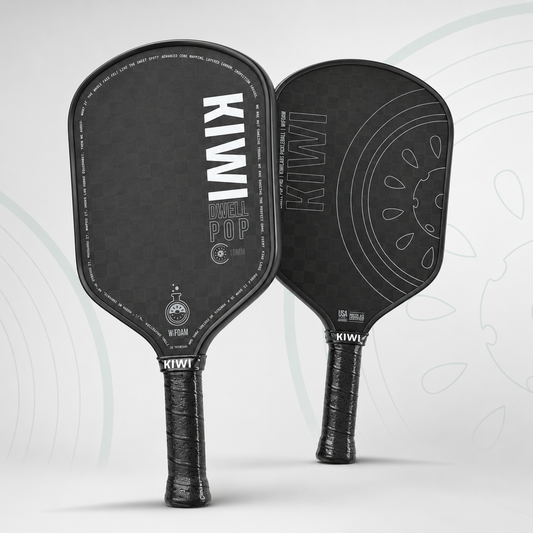
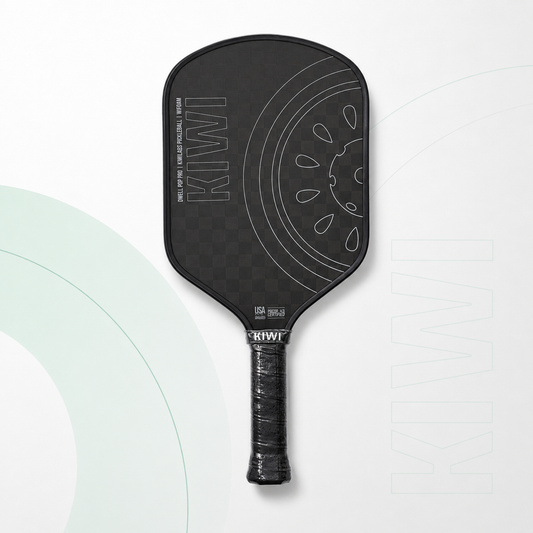
Kiwi Labs fits into this challenger category with a clear value proposition: premium carbon fiber materials, modern construction, large sweet spots, and high-level all-court performance without the inflated pricing that has become too common in pickleball. For players who care more about how the paddle plays than how long the logo has been around, that matters.
What actually separates paddle brands
When players say one brand feels better than another, they are usually reacting to construction choices rather than brand magic. The first major separator is face material. Raw carbon fiber has become popular because it can help generate spin and provide a more connected feel, but not all carbon faces play the same. Layup, grit texture, and overall build quality still matter.
The second separator is core and body construction. Thermoformed paddles often feel more stable and lively because the build process can increase rigidity and expand the sweet spot. Full-foam or perimeter foam designs can also improve twist weight and forgiveness on off-center contact. That is why two paddles with similar specs on paper can feel completely different in hand.
Shape is another big one. Elongated paddles tend to offer reach and extra power potential, but they can be less forgiving. Wider or hybrid shapes often give you a more generous sweet spot and easier resets. Some brands are better at tuning these shapes so you do not have to sacrifice too much in either direction.
How to compare brands without getting fooled by marketing
The smartest comparison starts with your misses. If your drops float, your resets pop up, and your kitchen game gets jumpy under pressure, you probably do not need the hottest paddle on the market. A control-oriented or balanced brand profile will likely help more than a power-heavy one.
If you already have soft-game confidence but struggle to finish points, create depth, or win hand battles, then a more lively paddle might be exactly the upgrade you need. That is why there is no universal best brand. There is only the best fit for your current game.
Price should also be handled honestly. Expensive does not automatically mean advanced. In pickleball, pricing often reflects sponsorships, retail markups, and branding overhead as much as materials. A lesser-known brand using high-end carbon fiber, thermoformed construction, and smart weighting may deliver equal or better performance for less.
It also helps to look at how brands explain their paddles. If the messaging is vague and mostly emotional, be cautious. If the company clearly talks about face material, core thickness, shape, foam, sweet spot behavior, and intended play style, that is usually a better sign. Transparent brands tend to respect informed buyers.
Best pickleball paddle brands compared for different players
Beginners usually do best with brands that offer forgiveness, easy control, and a price that does not feel reckless. You want a paddle that helps build technique rather than one that punishes every off-center hit. A giant jump into an ultra-hot performance paddle can actually slow improvement.
Intermediates often need the most careful brand comparison because this is where players start noticing feel, spin access, and transition-zone stability. Balanced brands shine here. You want enough pop to attack, enough dwell time to shape your drops, and enough forgiveness to survive fast exchanges.
Advanced players can justify being more specific. If you know you want an elongated power paddle for aggressive singles or a hybrid control paddle for doubles precision, brand identity starts to matter more because tuning becomes more specialized. Even then, value should stay in the conversation. Paying more only makes sense if the performance difference is real for your game.
The better question than who is number one
The market is crowded, and that is good news. It means players now have real options across power, control, spin, and price. When you see the best pickleball paddle brands compared honestly, the old assumption that the biggest brand automatically makes the best paddle does not hold up very well.
A better question is this: which brand gives you the construction, feel, and performance profile you actually need at a price that makes sense. If you shop that way, you will usually end up with a paddle that helps your game more and drains your wallet less. The smartest buyers are not chasing the loudest brand. They are choosing the one that earns its place on the court.