


Pickleball Paddle Surface Texture Guide

If you've ever hit with one paddle that made topspin feel easy and another that seemed to launch the ball flat no matter what you did, you already know why a pickleball paddle surface texture guide matters. Surface texture changes how the ball grips, how long it stays on the face, and how confidently you can shape shots under pressure.
This is also where a lot of paddle marketing gets slippery. Brands love to throw around words like raw, grit, carbon, peel-ply, and spin-friendly as if they all mean the same thing. They don't. The texture on your paddle can absolutely help you generate more spin and better control, but texture alone does not decide performance. Core feel, face material, dwell time, paddle shape, and your own swing all matter too.
So let's cut through the noise and get specific about what surface texture does, what the common types actually are, and which one makes sense for the way you play.
What surface texture actually does
When the ball contacts the paddle face, surface texture affects friction. More friction usually means the paddle can grab the ball a little better during the fraction of a second it stays on the face. That extra grip helps with topspin drives, sliced returns, rolling volleys, and heavy dipping passes.
But spin is only part of the story. Texture also changes feel. A grittier, more ball-grabbing face can make the paddle feel more connected on drops and resets because the contact feels less slippery. That does not always mean softer, though. Some textured paddles still feel crisp and lively, especially if the construction is thermoformed or tuned for pop.
This is where players get tripped up. They assume rougher always means better. In reality, a very aggressive texture can be great for shaping the ball, but if the paddle is too stiff or too hot for your game, touch shots may still suffer. Surface texture needs to work with the rest of the build.
Pickleball paddle surface texture guide to the main types
Most paddle faces fall into a few broad categories, even if the branding language changes.
Raw carbon fiber surfaces
Raw carbon fiber is the headline material in modern performance paddles for a reason. It tends to offer strong natural grab on the ball, a clean feel, and a good balance between spin and control. When players talk about a paddle feeling connected or predictable, raw carbon is often part of that equation.
Not all raw carbon surfaces are identical. The weave, resin system, layup, and face treatment all change the result. Some raw carbon paddles feel plush and hold the ball longer. Others feel firmer and more explosive. So if you've played one raw carbon paddle, you have not played all of them.
For many players, this is the sweet spot. You get legitimate spin potential without the exaggerated wear patterns or short-lived grit that can show up on some coated surfaces.
Applied grit or coating-based texture
Some paddles create surface roughness through sprayed, painted, or layered coatings. These can feel very grippy out of the box and may produce impressive spin early on. That's the appeal.
The trade-off is durability. Depending on the paddle and how often you play, applied grit can wear down faster than players expect. Once that texture starts smoothing out, the paddle may lose some of the bite that made it feel special at first. That doesn't mean every coated face is bad. It means you should think beyond day-one performance.
If you play occasionally, the drop-off may not bother you. If you play three to five times a week and rely on heavy spin, long-term consistency matters a lot more.
Fiberglass faces with texture
Fiberglass is usually discussed more in terms of pop than texture, but it belongs in this conversation. Textured fiberglass paddles can generate solid spin, yet the bigger personality trait is often energy return. They tend to feel livelier and easier to swing for pace.
That can be a win for newer players who want help with power, or for aggressive players who like speeding balls up. The flip side is that fiberglass often feels less controlled than carbon on soft game shots. If your biggest priority is resets, dinks, and keeping counters from flying, a lively fiberglass face may feel less forgiving.
Graphite and smoother traditional faces
Older-school graphite and smoother composite surfaces can still play well, but they usually are not the first choice for players chasing maximum spin. They often feel quick and crisp, yet they don't tend to grip the ball as effectively as more modern textured carbon faces.
That doesn't make them obsolete. Some players prefer a cleaner, simpler response and don't want the ball to linger on the face. Flat hitters and players with compact strokes may care less about high-end spin potential than about reaction speed and punch volleys.
Texture, spin, and control are related - but not identical
A lot of buyers shop for spin and end up choosing the wrong paddle because they ignore feel. Yes, texture helps create spin. But the best spin paddle for your game is the one that lets you repeat your mechanics.
If a paddle face is textured but the paddle feels too poppy, you may struggle to keep drops and resets under control. If a face is textured and the paddle is very muted, you might love it in the soft game but wish for more finish on putaways and drives. That's why control players often prefer a textured surface paired with longer dwell time, while power players may want texture on a firmer platform.
Think of texture as a performance multiplier, not the whole engine.
How to tell if a paddle surface texture fits your game
The fastest way to figure this out is to start with your shot profile, not the marketing copy.
If you win points with topspin drives, dipping thirds, and aggressive roll volleys, you want a face that grabs the ball consistently. Raw carbon or another durable textured face usually makes the most sense. You want enough bite to shape shots without feeling like the paddle turns every touch exchange into a guessing game.
If you're a control-first player who values resets, drops, and kitchen precision, texture still matters, but so does dwell time. A grippy face on a paddle with a stable sweet spot and less erratic pop will usually serve you better than the most abrasive face on the market.
If you're newer to pickleball and still building mechanics, don't over-prioritize extreme texture. A forgiving paddle with a generous sweet spot and balanced feel will help your game more than a surface spec that looks impressive on paper. Spin helps, but consistency wins more rec games than hype does.
What to watch for when brands talk about texture
This is where smart buyers separate real value from inflated pricing. Ask what creates the texture. Is it the face material itself, an added coating, or a combination? Then ask how that texture is likely to hold up over time.
Also pay attention to how texture is paired with the rest of the paddle. A spin-friendly face on a small sweet spot can still feel punishing. A textured face on a well-built paddle with strong stability and useful dwell time is where the real performance jump happens.
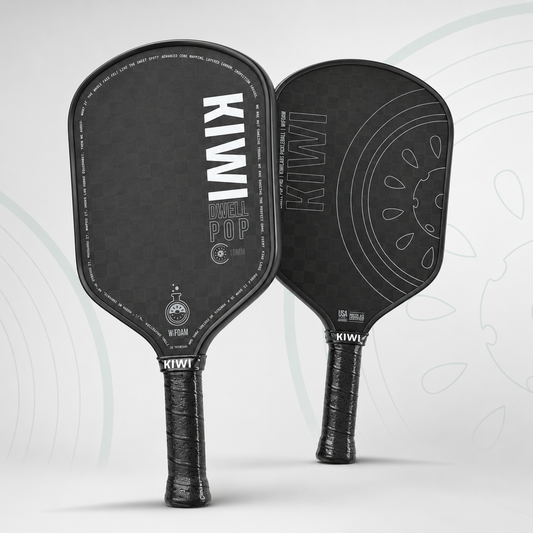
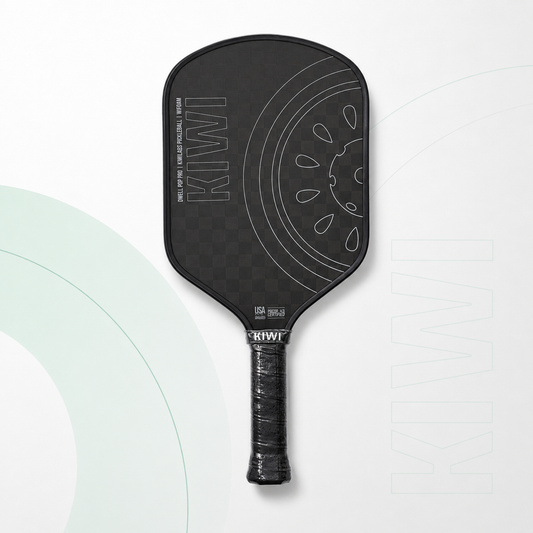
That player-first approach is why brands like Kiwi Labs focus on more than just buzzwords. Surface texture matters, but it matters most when it's part of a paddle built for actual all-court performance instead of a spec-sheet headline.
The biggest mistakes players make with paddle texture
The first mistake is assuming rougher equals more spin forever. Fresh texture and lasting texture are not always the same thing.
The second is chasing pro-style spin when their own game needs easier control. If you miss too many drops, pop up too many resets, or struggle to keep returns deep, a paddle that feels more predictable may help more than one that promises extreme bite.
The third is ignoring maintenance and wear. Dirt, ball fibers, and normal use can affect how a textured surface feels over time. Even a strong paddle face won't feel identical after months of heavy play.
So what should most players choose?
For the majority of recreational through competitive players, a textured carbon fiber face is the best place to start. It offers the broadest mix of spin access, control, and long-term value. That's especially true for players who want one paddle to handle drives, drops, hands battles, and baseline exchanges without forcing trade-offs that are too extreme.
If your game leans heavily toward power and speed-ups, a livelier textured face can make sense. If your game is built on resets and precision, look for a textured surface with a more controlled response and a stable sweet spot. And if you're just getting serious about gear, don't get distracted by one number or one texture claim. The paddle should help your whole game show up, not just one highlight shot.
The right surface texture is the one that lets you swing with conviction, shape the ball on purpose, and trust what happens when the point gets fast.