
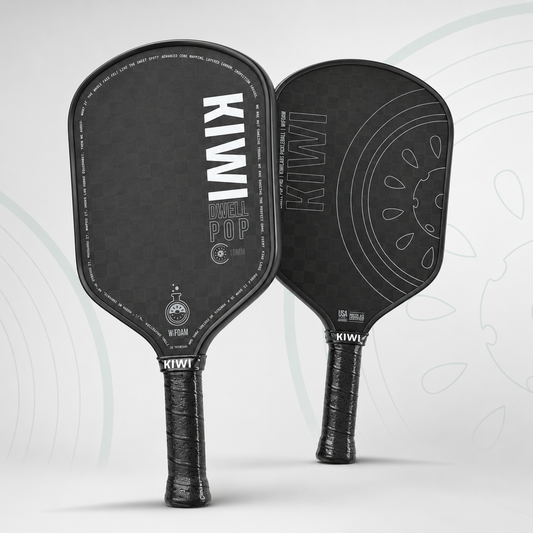


12k Carbon Fiber Pickleball Paddle Guide

The phrase 12k carbon fiber pickleball paddle shows up everywhere now, and for good reason. Players want more spin, better touch, and that clean, connected feel on contact - without paying luxury-brand prices for a spec sheet full of buzzwords. But 12k carbon fiber is not magic on its own. It matters because of how it works with the face texture, core, paddle shape, weight balance, and overall build.
If you are shopping smart, this is the real question: does a 12k carbon fiber paddle actually help your game, or is it just another marketing label? The honest answer is that it can absolutely improve feel and consistency, but only when the rest of the paddle is built to match.
What a 12k carbon fiber pickleball paddle actually means
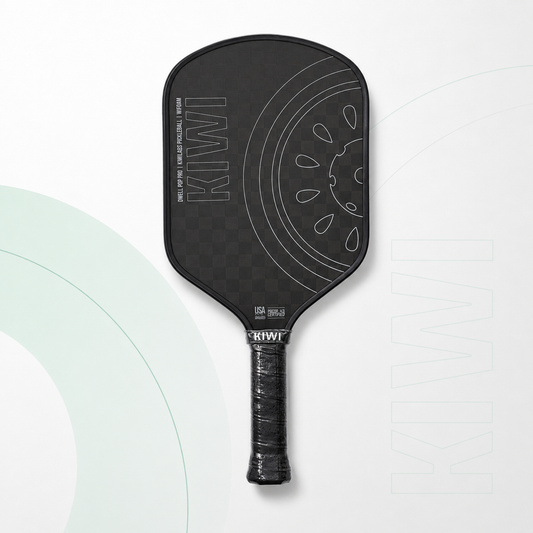
In carbon fiber terminology, 12k refers to the number of filaments in each tow, or bundle, of carbon strands. A 12k weave uses larger bundles than 3k or 6k carbon fiber, which changes the look of the paddle face and can influence the feel. That checkerboard pattern players notice on many carbon paddles is often the visible weave of those fiber bundles.
On court, that usually translates to a slightly different response at contact. A 12k carbon fiber pickleball paddle often feels a bit more solid and stable than paddles using finer weaves, especially when the face is paired with a quality polypropylene core and a well-tuned layup. The result can be a nice blend of dwell time and pop instead of a harsh, overly stiff hit.
That said, 12k alone does not guarantee better performance. Two paddles can both use 12k carbon fiber and play nothing alike. One may feel plush and controlled, while another feels lively and powerful. Construction decisions around thermoforming, foam edge walls, face grit, swing weight, and handle length matter just as much.
Why players are drawn to 12k carbon fiber
Most gear-focused players are not chasing carbon fiber because it sounds advanced. They are chasing outcomes. They want heavier topspin on drives, more confidence on resets, and a paddle that does not feel dead on soft shots or wild on counters.
This is where 12k has earned real interest. It tends to appeal to players who want a face that feels premium and responsive without crossing into overly pingy territory. Many 12k paddles offer a balanced personality. You can roll the ball with spin, block pace at the kitchen, and still get enough putaway power when the point opens up.
That balance matters. A lot of players do not want an all-power paddle that launches every dink. They also do not want an ultra-soft control frame that asks them to swing harder from the baseline. A well-made 12k paddle often sits in the middle, which is exactly where many all-court players live.
How a 12k carbon fiber pickleball paddle plays
Feel is the first thing most players notice. Compared with cheaper fiberglass faces, 12k carbon fiber generally feels more controlled and less trampoline-like. The ball tends to stay on the face a touch longer, which can help with spin generation and touch shots. That extra connection is especially noticeable on drops, rolls, and midcourt resets.
Spin is the second big selling point, but this is where marketing often gets sloppy. Carbon fiber itself helps, but raw or textured surfaces and the overall face finish are what really influence how much bite you get on the ball. A 12k face with a poor surface treatment will not outspin a better-designed paddle just because the weave looks impressive.
Power depends on the build. If the paddle is thermoformed and reinforced around the edges, you may get a more unified, explosive response. If it has foam injected into the perimeter, you may notice added stability and a bigger effective sweet spot. If it is built for control, the same 12k face may feel more muted and measured. Same material family, different result.
Who should use a 12k carbon fiber pickleball paddle
For improving intermediates, 12k often makes a lot of sense. This group usually wants a paddle that rewards better mechanics without feeling too demanding. A 12k paddle can give them access to better spin and cleaner feedback while still being forgiving enough for everyday rec play and league matches.
For advanced players, it depends on style. If you play an all-court game and value transitions, counters, and touch, 12k is often a strong fit. If you want maximum putaway power above everything else, you may lean toward a more aggressive build where the carbon face is just one part of a hotter package.
Beginners can use 12k too, but they should not shop by face material alone. Sweet spot size, static weight, grip shape, and overall control are more important at that stage. A beginner with a difficult, high-swing-weight paddle is not getting better value just because the face is 12k carbon fiber.
12k vs other paddle face materials
Compared with fiberglass, 12k carbon fiber usually offers more control and a more connected feel. Fiberglass often brings easy pop, which some beginners like, but it can also make touch shots less predictable. Players trying to improve resets and third-shot drops often move away from fiberglass for that reason.
Compared with 3k or 6k carbon fiber, the differences are more subtle than many brands imply. You may notice a different feel profile, with 12k often described as slightly more plush or stable depending on the build. But these are not automatic rules. The paddle's full construction can easily override what you might expect from the weave alone.
Compared with generic carbon labels, 12k at least gives you a more specific clue about the material. That matters because transparency matters. If a brand cannot clearly explain what is in the paddle and how it affects performance, you are probably paying for marketing first and engineering second.
What to check before you buy
A 12k carbon fiber pickleball paddle can be a great choice, but there are a few things worth checking so you do not overpay for a good-looking face and average performance.
Start with the shape. Elongated paddles usually offer more reach and power, but often come with a narrower sweet spot and higher swing weight. Wider-body shapes are usually easier to control and more forgiving on off-center hits.
Then look at the core thickness. Thicker cores usually lean toward control and softness, while thinner builds tend to feel quicker and livelier. Neither is universally better. It depends on whether your game needs more stability or more pop.
Weight distribution matters as much as total weight. A paddle can be listed at a reasonable static weight and still feel sluggish if too much mass sits in the head. Players who hand-fight at the kitchen should pay close attention here.
Finally, look for honest value. Premium materials are worth paying for. Inflated branding is not. That is exactly why player-first brands like Kiwi Labs have gained attention - serious paddle tech, clear specs, and better pricing than the big legacy names that often charge more just because they can.
The biggest mistake shoppers make
The most common mistake is assuming the face material tells the whole story. It does not. A 12k carbon fiber pickleball paddle may sound like a top-tier option, but if the core is inconsistent, the edge construction is weak, or the sweet spot is too unforgiving for your game, the paddle will not magically perform.
The second mistake is buying for someone else's style. If your favorite reviewer loves a fast, stiff paddle for speed-ups and counters, that does not mean it fits your game. If you win points with placement, resets, and controlled topspin, your best paddle may feel very different from what a power-first player prefers.
Good gear should help you hit your best patterns more often. It should not force you into someone else's version of pickleball.
Is a 12k carbon fiber pickleball paddle worth it?
For a lot of players, yes. If you care about spin, touch, and a more premium response than entry-level paddle faces usually offer, 12k carbon fiber is a material worth considering. It can absolutely be part of a high-performance paddle that feels modern, stable, and versatile.
But worth it does not mean worth any price. The smart buy is the paddle that combines 12k carbon fiber with thoughtful construction, a usable sweet spot, and a shape that fits how you actually play. That is where the real value shows up - not in the weave pattern alone, but in the way the whole paddle helps you hit cleaner drops, heavier rolls, and more confident counters.
If you are comparing options, treat 12k as a signal, not the final answer. The right paddle should make sense in your hand, in your game, and on your budget. When those three line up, the label stops being hype and starts being performance.