


Best Paddles for Intermediate Players

You feel it before the score shows it. Your drops are better, your hands are quicker, and you are starting to punish floaters instead of just keeping the rally alive. That is exactly when the search for the best paddles for intermediate players gets serious. At this level, the wrong paddle does not just feel off - it can slow down skills you are actively building.
Most intermediate players are stuck between two bad options. One is a cheap, entry-level paddle that feels inconsistent once your game speeds up. The other is an expensive “pro” paddle that promises everything and delivers a setup that is too demanding, too powerful, or just not worth the price. The sweet spot is in the middle: a paddle with enough control to support resets and drops, enough spin to shape the ball, and enough pop to finish points without spraying balls long.
What intermediate players actually need from a paddle
Intermediate players are not learning the rules anymore. They are learning shot tolerance, point construction, and how to win exchanges at the kitchen instead of surviving them. That changes what matters in paddle selection.
A beginner can get away with almost any decent face and core. An intermediate player cannot. Once you are trying to hit third-shot drops from different court positions, roll volleys with intent, and reset under pressure, paddle feedback matters a lot more. You need a face that grabs the ball well enough for spin, a core that stays stable when contact is not perfect, and a shape that gives you confidence in real match situations.
The biggest mistake is buying only for power. Power is fun in the driveway. Control wins more points when rallies get messy. That does not mean you need a dead-feeling paddle. It means your paddle should give you usable power, not random launch.
Best paddles for intermediate players: what to prioritize
If you are comparing paddles, focus less on marketing labels and more on how the paddle helps your most common shots. For most intermediates, that means four things: control on soft shots, spin access, sweet spot size, and enough pop for counters and putaways.
Control comes first
If your drops sit too high, your resets bounce up, or your dinks feel jumpy, you probably need a paddle with better control and dwell time. Dwell time is simply how long the ball seems to stay on the face before releasing. More dwell usually helps you shape shots with more confidence, especially on touch shots.
Control paddles tend to feel a little more predictable. They help when you are stretched, late, or trying to take pace off a hard drive. For intermediate players, that predictability is a bigger advantage than raw power numbers.
Spin is not optional anymore
At the intermediate level, spin stops being a bonus and starts becoming part of shot-making. Topspin helps your drives dip. Slice keeps returns lower. Roll volleys become easier to direct. A textured carbon fiber face can make a real difference here, especially if your current paddle feels slick or flat.
That said, spin only matters if you can control it. A super lively paddle with a gritty face can still be a bad fit if it launches too high on blocks and resets.
Sweet spot size matters more than people admit
Off-center hits happen. A lot. Especially in hand battles, emergency digs, and stretched defensive plays. Intermediate players improve faster with paddles that stay stable when contact is not perfectly centered.
This is where better construction earns its keep. Stronger carbon fiber layups, thermoformed builds, and foam-enhanced perimeter designs can all help create a more forgiving response. You should not need perfect contact on every ball to get a decent outcome.
Pop should support your game, not run it
There is a difference between power and pop. Power is what helps on full swings like drives and serves. Pop shows up in quick exchanges - counters, punch volleys, and fast hand battles. Intermediate players usually benefit from moderate pop because it helps finish points without forcing them into an overly hot setup.
Too much pop can be a problem if your soft game is still developing. If your kitchen play gets shaky under pressure, do not chase the liveliest paddle on the market.
Which paddle type fits your game?
The best paddles for intermediate players are not all built for the same style. Your ideal fit depends on how you win points now and how you want to play six months from now.
The control-first intermediate
If you win with consistency, placement, and patience, look for a paddle with a plush feel, strong dwell time, and a stable face. You will probably prefer a standard or slightly elongated shape with a generous sweet spot and moderate swing weight.
This type of paddle helps with third-shot drops, resets, and dinks that stay low. It also makes it easier to absorb pace when better opponents speed the ball up.
The all-court intermediate
This is the most common profile. You want touch at the kitchen, but you also want enough offense to attack sitters and pressure returns. For you, balance matters more than extremes.
An all-court paddle usually blends a textured carbon face, a forgiving core, and enough responsiveness to handle both soft and aggressive play. If you only play two or three times a week and want one paddle that does almost everything well, this is the lane to stay in.
The aggressive intermediate
If you like to speed up, counter hard, and drive often, you may want a paddle with more pop and a slightly firmer response. But this is where a lot of intermediates buy above their current level. A demanding paddle can feel amazing when you are on time and wild when you are not.
If you go this route, make sure the paddle still gives you enough touch to reset under pressure. Otherwise, your offense gets sharper while the rest of your game gets less stable.
Shape, weight, and handle length matter too
Paddle performance is not just face material and core tech. Basic fit still matters.
Elongated paddles usually offer more reach and often a bit more power and spin potential, but they can feel less forgiving than wider-body shapes. If you come from tennis or rely on two-handed backhands, an elongated shape with a longer handle may feel natural. If you value forgiveness and easy hand speed, a wider, more balanced shape may serve you better.
Weight is another trade-off. Lighter paddles move fast and can reduce fatigue, but they may feel less stable on blocks and counters. Heavier paddles can add plow-through and stability, but they may slow your hands down at the kitchen. Most intermediates do well in the middle, where the paddle feels quick enough for hand battles and solid enough on contact.
Handle length is often overlooked. A longer handle can help with leverage, topspin, and two-handed backhands. A shorter handle may leave more room for face area and sweet spot. Neither is universally better. It depends on your grip style and mechanics.
How to tell if your current paddle is holding you back
Sometimes the answer is not “buy a better paddle.” Sometimes it is “buy a paddle that actually matches your game.” If your current paddle makes resets feel springy, forces you to overhit drops, or gives you very little feedback on soft shots, that is a fit problem.
You may also notice that your contact quality seems to change from rally to rally. One shot feels great, the next feels hollow or unstable. That inconsistency matters more as competition improves. Better paddles tend to give you a more reliable response across more of the face.
Another clue is this: you know what shot you want, but the paddle does not seem to give you enough margin to hit it consistently. Intermediate players need gear that supports repetition. Confidence grows when the paddle response makes sense.
What smart buyers should ignore
Price alone is not a performance metric. Plenty of paddles charge premium money for branding, not better materials or better play. Intermediate players should be skeptical of hype terms that never explain actual on-court benefit.
You also do not need the exact paddle used by a top-level pro to improve your rec or club game. In fact, some elite-level setups are less forgiving and less useful for developing players. The better question is whether the paddle helps you hit your most important shots with more consistency.
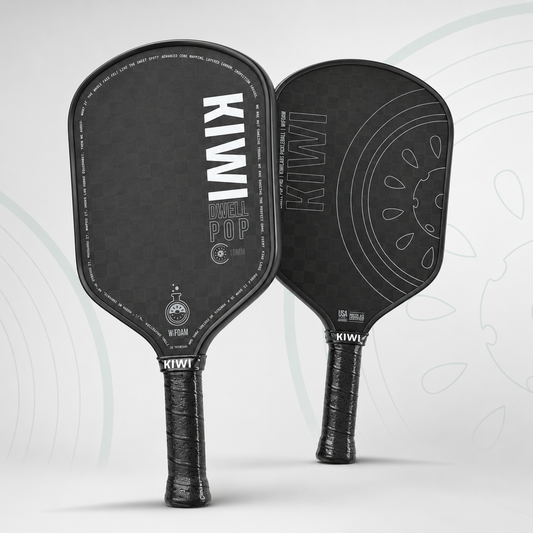
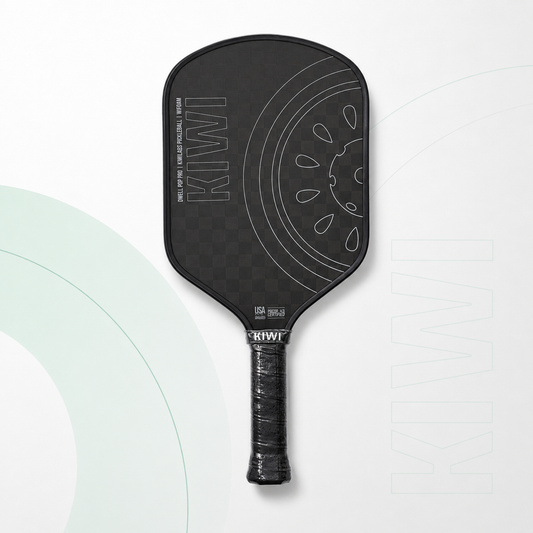
That is why challenger brands like Kiwi Labs have gained attention. Players are getting more educated about raw carbon faces, thermoforming, foam perimeter builds, and sweet spot tuning. Once you understand what those features do, inflated pricing gets a lot easier to spot.
A better way to choose
If you are serious about finding one of the best paddles for intermediate players, stop asking which paddle is “best” in the abstract. Ask which paddle gives you the best mix of control, spin, forgiveness, and usable pop for the way you actually play.
If your soft game is still catching up, lean control. If you are balanced across the court, choose an all-court model. If offense is your strength, add pop carefully, not recklessly. The right paddle should make your good habits easier to repeat and your misses a little less expensive.
That is the real upgrade. Not more hype. More confidence on the shots that decide whether you stay intermediate or move past it.