
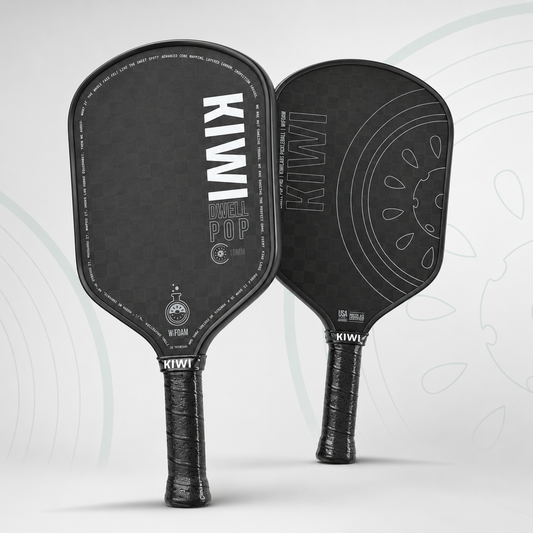


Elongated vs Standard Pickleball Paddle

A lot of paddle debates are mostly noise. This one is not. When players ask about an elongated vs standard pickleball paddle, they are really asking how much reach, forgiveness, hand speed, and put-away power they are willing to trade to get the feel they want.
That trade-off matters more than brand hype. Paddle shape changes how the sweet spot behaves, how quickly you can react at the kitchen, and how confident you feel on drives, resets, and overheads. If you're trying to buy smarter instead of paying extra for marketing language, shape is one of the first things worth understanding.
Elongated vs standard pickleball paddle: what changes?
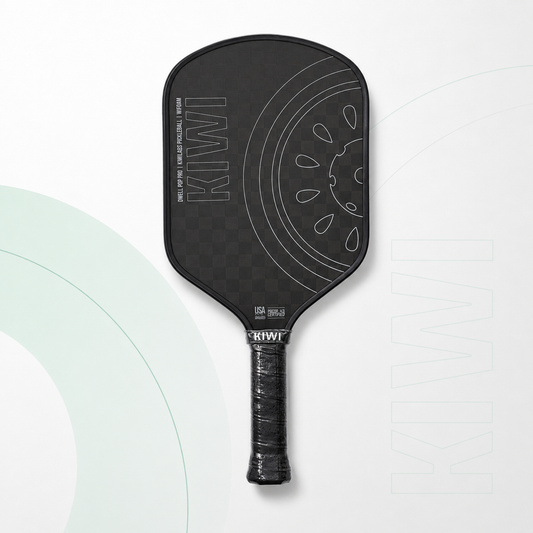
The biggest difference is simple. An elongated paddle is typically longer from top to bottom and a little narrower across the face. A standard paddle is usually wider, with a more traditional shape and a broader hitting area.
That sounds minor until you play with both. Elongated paddles tend to give you extra reach and a little more leverage through contact. Standard paddles tend to feel more stable, more forgiving, and easier to trust on off-center hits.
Neither shape is automatically better. The right answer depends on what your game actually needs, not what sounds more advanced.
What elongated paddles usually do well
An elongated shape appeals to players who want to attack. The added length can help generate paddle head speed, which often translates into more pop on drives, easier put-aways, and a bit more bite on spin-heavy swings. That extra reach also matters when you're stretched wide, reaching for speed-ups, or trying to take more balls out of the air.
For former tennis players, elongated paddles often feel familiar. The longer profile can support a fuller swing path and make the transition into topspin drives and aggressive counters feel more natural.
The catch is that elongated paddles often have a narrower sweet spot. Miss the center by a little and you may feel more twisting, less stability, and less forgiveness on touch shots. That matters a lot in pickleball, where plenty of points are won with resets and compact hands battles, not just pace.
What standard paddles usually do well
Standard-shaped paddles are popular for a reason. The wider face tends to create a more forgiving hitting zone, which helps on blocks, dinks, resets, and defensive contacts when you don't catch the ball perfectly clean.
They also tend to feel quicker and more balanced in hand, especially at the kitchen. When a firefight breaks out, that can be the difference between getting the paddle in position and getting jammed.
For players still building consistency, standard paddles can make the game easier. You get a shape that supports control first, while still offering enough power if the construction is modern and the face material is dialed in.
Reach vs sweet spot is the real decision
If you strip away the marketing, this is the heart of elongated vs standard pickleball paddle choices. Do you want more reach and leverage, or do you want a broader sweet spot and easier consistency?
Reach helps in obvious moments. You can snag more balls out of the air, cover a little more court on backhand counters, and finish attacks that might be just outside your normal contact point. That sounds great because it is great, especially for singles and aggressive doubles players.
But sweet spot quality shows up on almost every rally. A broader, more stable face makes resets less punishing and dinks less twitchy. It also helps when your footwork is a little late, which is true for almost everybody at some point in a match.
This is why shape should never be judged in isolation. A great elongated paddle can still feel stable if the construction is strong, the balance is right, and the core is tuned well. A standard paddle can still hit big if it has enough pop and efficient energy return. Shape points you in a direction, but build quality decides how far the paddle actually goes.
Which shape helps spin, power, and control?
Players love clean answers here, but the truth is more specific.
For power, elongated paddles often have the edge. The longer profile can create more leverage and a livelier feeling through full swings. If you like to drive thirds, attack high balls, and pressure opponents from midcourt, elongated shapes usually support that style well.
For control, standard paddles often feel easier. The wider face can make contact more predictable, especially on slower shots where touch matters more than raw pace. Resets and blocks tend to feel calmer when the paddle is naturally forgiving.
For spin, shape helps less than people think. Face material, surface texture, dwell time, and overall paddle tuning matter more. That said, some players do generate excellent spin with elongated paddles because the longer shape complements a faster, more whipping swing path. But you should not assume elongated automatically means more spin.
If you're chasing all-court performance, the best move is to think about your misses. Are you losing points because you can't finish and can't reach enough balls? Elongated might help. Are you losing points because your resets float, your hand battles feel rushed, or your off-center shots die? Standard may be the smarter fit.
Who should use an elongated paddle?
An elongated paddle makes a lot of sense for players who win with pressure. If you like attacking off the bounce, rolling topspin from the baseline, and speeding up from the kitchen when the ball sits up, the extra length can be a real advantage.
It also fits singles players well. In singles, more court coverage and more passing-shot reach matter. The slight bump in leverage can also help when you need deeper serves and stronger groundstrokes.
Intermediate and advanced players often get more from elongated paddles because they can consistently find the center of the face. If your footwork and timing are solid, you may not mind the smaller margin for error.
This shape can also work for players with two-handed backhands, especially if the handle length supports it. Many elongated paddles are designed with that in mind.
Who should use a standard paddle?
A standard paddle is a strong choice for players who want consistency to show up everywhere. If you play a control-heavy doubles game, prioritize resets, and spend most of your time in kitchen exchanges, the wider shape often feels more cooperative.
Beginners and improving intermediates usually benefit from that forgiveness. Pickleball already punishes late contact and sloppy positioning. A paddle with a bigger effective hitting zone gives you a better chance to stay in points and build confidence.
Standard shapes also appeal to players who value fast hands over max reach. In quick exchanges, a paddle that feels naturally maneuverable can be a bigger asset than an extra fraction of an inch in length.
And if you have any history of elbow or wrist sensitivity, a stable, forgiving paddle may be worth serious consideration. Cleaner, less twisty contact can feel better over long sessions.
Don't ignore balance, weight, and construction
This is where a lot of buyers get tripped up. They choose a shape based on one headline benefit and forget that two paddles with the same outline can play very differently.
Balance matters. A head-heavier elongated paddle may feel powerful but slower in hand. A more evenly balanced elongated model can keep the reach while improving reaction speed. The same goes for standard paddles. Some feel plush and control-focused, while others are surprisingly explosive.
Core thickness matters too. Thicker cores usually soften the feel and help with control and dwell time. Thinner or livelier builds can produce more pop. Face material matters for spin and feel. Foam enhancements, thermoforming, and carbon fiber layups can all change how stable a paddle feels, especially on off-center hits.
That is why smart shoppers look past shape alone. At Kiwi Labs Pickleball, the better question is not just elongated or standard. It is which shape, with which construction, gives you the mix of spin, control, pop, and forgiveness your game actually needs.
How to decide without overthinking it
Start with your match reality, not your ideal self. If you picture yourself as an aggressive finisher but your actual points are won and lost on resets, hand speed, and consistency, a standard shape may help you more right now.
If you already have solid touch and want more offensive upside, elongated can be a smart upgrade. It can reward cleaner mechanics and help you pressure opponents in ways a wider paddle may not.
A useful gut check is this: if you miss the center often, go wider. If you find the center reliably and want more reach and leverage, go longer. That is not a perfect rule, but it is a better starting point than assuming longer means better.
The best paddle shape is the one that makes your strengths easier to repeat under pressure. Choose the paddle that helps you win ugly on the days your timing is off, because those are the days that tell you what really fits.