


Best Pickleball Paddle Under 150

Price jumps fast in pickleball. One minute you are comparing solid $99 options, and the next you are staring at $220 paddles marketed like they contain secret technology from another planet. If you are searching for the best pickleball paddle under 150, the good news is simple - you do not need to overspend to get real performance.
That price range is where the value fight gets interesting. Under $150, you can find paddles with raw carbon fiber faces, thermoformed construction, better edge stability, larger sweet spots, and shapes tuned for spin, control, or extra pop. The catch is that not every paddle under that number is a good deal. Some are genuinely advanced. Others just wear premium language on a mid-tier build.
What makes the best pickleball paddle under 150?
The answer depends on how you win points.
If your game is built on resets, dinks, and placement, the best paddle for you probably offers a softer feel, more dwell time, and a forgiving face that keeps off-center shots playable. If you like driving the ball, attacking speed-ups, and creating pressure from the baseline, you may want a paddle with more pop and a firmer response. Most players want some of both, which is why all-court paddles dominate this price bracket.
Material quality matters first. A paddle under $150 should not feel like a compromise purchase. You want a face material that can produce spin, a core that balances touch with stability, and a construction method that does more than sound impressive in a product title. Raw carbon surfaces are popular for a reason. They tend to grip the ball better than smoother fiberglass faces, which helps with topspin serves, dipping drives, and more confident roll volleys.
Core thickness matters too. A thicker core, often around 16mm, usually leans toward control and forgiveness. It absorbs pace better and gives you a little more confidence in the soft game. A thinner core, often around 13mm or 14mm, tends to feel quicker and more explosive. That can be great for hand battles and counters, but it can also punish poor touch if the paddle is too lively.
Then there is shape. Elongated paddles can give you extra reach and sometimes a bit more plow-through, but they usually ask you to accept a narrower sweet spot. Wider or hybrid shapes are often easier for intermediate players because they feel more stable and less demanding during blocks, resets, and defensive saves.
The biggest mistake shoppers make under $150
They shop by spec sheet alone.
A paddle can have carbon fiber, thermoforming, foam in the walls, and a catchy power label and still not suit your game. The best pickleball paddle under 150 is not the one with the longest feature list. It is the one with the right mix of feel, forgiveness, and response for the shots you hit most.
This is where a lot of players get tricked into paying more than they need to. Big brands often price paddles like every increment in performance should cost another fifty bucks. That math does not hold up anymore. Modern direct-to-consumer brands have changed the market by putting advanced materials into more attainable price tiers. That means your budget can go toward actual construction and playability, not just legacy branding.
How to judge value like a serious player
Start with the face.
If spin matters to you, and for most improving players it should, look for a textured carbon fiber face that actually helps the ball stay on the paddle long enough to shape shots. Spin is not just about highlight-reel serves. It helps your third-shot drops fall shorter, your drives dip harder, and your counters stay aggressive without flying long.
Next, check the paddle's feel profile. Some paddles in this range chase power so hard that they become jumpy in the kitchen. Others are soft and controlled but feel underpowered when you need to finish points. A good under-$150 paddle should not force you into one-dimensional pickleball. Unless you have a very specific style, all-court balance is usually the smarter buy.
Sweet spot size is another value marker. If a paddle feels great only when you hit dead center, it is not giving you much margin. A bigger sweet spot means more consistency on returns, less flutter on blocks, and fewer cheap errors when your footwork is not perfect. That matters more in real matches than an extra bit of headline power.
Handle length and weight balance also deserve attention. Players with a two-handed backhand often prefer longer handles. Players who want quicker reloads at the kitchen may favor a more maneuverable build. Even if two paddles weigh roughly the same, one can feel much faster in hand depending on its balance point.
Best pickleball paddle under 150 for different player types
For beginners and newer intermediates, control usually wins. You are still building consistency, and a paddle that gives clear feedback without launching the ball all over the place will help you improve faster. A forgiving shape, medium-to-soft feel, and stable core are the safest bets. You can always add more power later. Developing touch is harder if your paddle feels hot on every contact.
For intermediates who are starting to attack more, a balanced all-court paddle is the sweet spot. This is the group that benefits most from modern carbon construction under $150. You want enough pop to finish overheads and speed-ups, enough spin to pressure opponents, and enough softness to trust your resets. If a paddle can support all three without glaring weaknesses, it is doing its job.
For more aggressive players, power is fine - within reason. A livelier paddle can absolutely help if you already have solid hands and decent touch. But if you play mostly rec games, a paddle that feels explosive in warmups can become erratic when points get messy. A little less raw pop and a little more predictability often leads to better results over a full match.
For control-first players, do not assume lower price means lower sophistication. Some of the best-performing paddles under $150 are built specifically to increase dwell time, soften contact, and make the soft game more repeatable. That is not flashy marketing. That is useful performance.
Features worth paying for and features that are mostly noise
Thermoforming can be worth it because it often improves structural integrity and adds a more connected feel. Foam-enhanced perimeter builds can help stability and enlarge the effective sweet spot. Raw carbon can be worth it if the face texture and layup actually translate into usable spin and confidence.
On the other hand, not every premium-sounding term guarantees better play. Extra buzzwords do not matter if the paddle feels harsh, inconsistent, or too narrow for your skill level. The market is full of paddles that sound advanced but play average. That is why honest fit matters more than fancy naming.
One smart benchmark is asking whether the paddle helps in the hardest shots, not the easiest ones. Most paddles feel decent on clean forehand drives. The better question is what happens on a stretched block, a rushed reset, or a backhand dink taken late. Value shows up in the ugly moments.
When spending closer to $150 actually makes sense
If you play multiple times a week, the upper end of this budget is usually worth it. That extra room often gets you better construction, more refined feel, and a paddle that stays in your bag longer before you want to upgrade. For active players, that can be a better deal than buying a cheaper paddle now and replacing it three months later.
If you are a casual player who gets out once or twice a month, you may not need to push all the way to the limit. There are excellent options below $150 that still offer strong spin, solid control, and enough pop for rec play. The point is not to max out your budget. The point is to buy with intention.
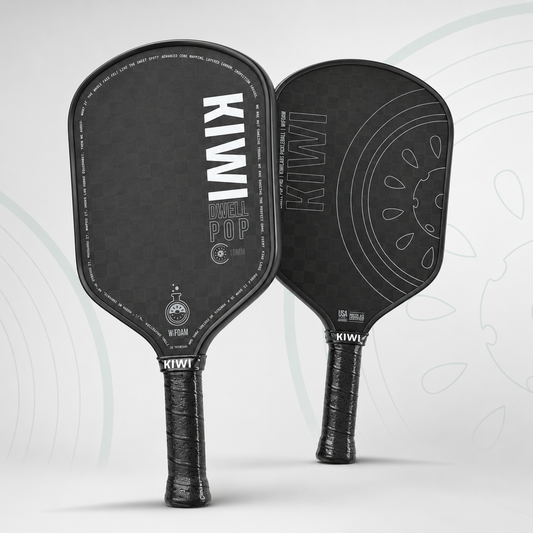
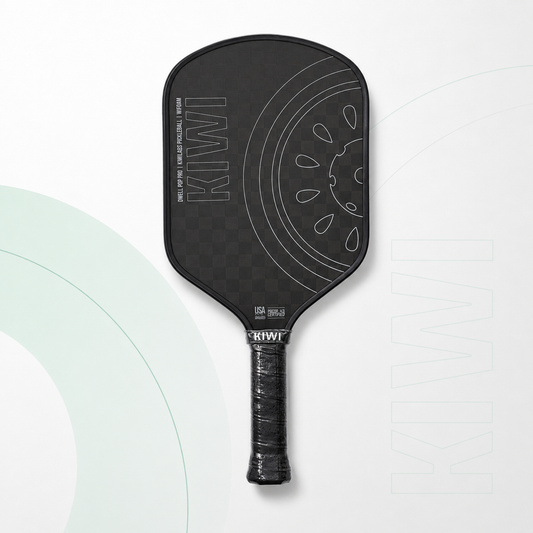
That is also where newer performance brands have an edge. Companies like Kiwi Labs Pickleball have pushed premium materials and modern paddle tech into prices that make more sense for actual players, not just hype-driven shoppers. That shift is good for everyone because it forces the market to compete on performance, not inflated prestige.
How to choose without overthinking it
If you are torn between power and control, choose the paddle you will trust under pressure. Most players do not lose because they lacked one more mile per hour on a drive. They lose because their resets float, their drops sit up, or their returns land short. A paddle that helps you stay consistent usually creates more wins than one that only feels dangerous on attack shots.
If your game is already advanced and you know you want a firmer, faster response, then lean into that knowingly. Just be honest about the trade-off. More pop can mean less forgiveness. More reach can mean a smaller sweet spot. More spin potential still requires good mechanics.
The best pickleball paddle under 150 is the one that gives you clear value on court - not the one with the loudest marketing. Look for strong materials, a shape that matches your game, and a feel profile that helps your worst shots as much as your best ones. Buy the paddle that makes you more repeatable, and the rest of your game has room to get sharper.
A good paddle should make you feel like you got smarter, not just more expensive.