


How to Find Paddle for Control

If your third-shot drops keep floating high or your resets pop up when the pace speeds up, the issue is not always your technique. A lot of players searching for how to find paddle for control are really trying to solve one problem: they want the ball to stay on the face just long enough to place it, soften it, and trust it under pressure.
That matters more than flashy power numbers. Control is what helps you keep dinks unattackable, block hard drives without panic, and send the ball where you mean to send it when points get messy. The trick is knowing which paddle traits actually improve control and which ones just sound good on a product page.
What control really means in a pickleball paddle
Control is not simply low power. A paddle can feel muted and still be hard to place if the sweet spot is small or the response is inconsistent. Real control comes from predictability. You want a paddle that responds the same way on dinks, resets, drops, serves, and counters, especially when contact is not perfectly centered.
For most players, a control paddle offers three big advantages. It gives you better touch in the soft game, more confidence in transition, and a more stable face when opponents speed the ball up. That does not mean it has to feel dead. Good control paddles can still produce put-away power. They just do not feel jumpy.
This is where a lot of brands lean on vague marketing. “Balanced” and “all-court” can mean almost anything. If you want actual control, you need to look past the label and focus on construction.
How to find paddle for control by looking at the build
The fastest way to narrow the field is to evaluate four things: shape, weight, core and thickness, and face material.
Start with paddle shape
Shape changes both reach and forgiveness. Elongated paddles can offer extra leverage and put a little more pop in your hand, but they often give up some sweet spot width. Wider or more standard shapes usually feel easier to control because they are more forgiving across the face.
If you miss the center now and then, a wider sweet spot is your friend. If you are a more advanced player who values reach on counters and overheads, an elongated shape can still work for control, but only if the paddle remains stable and not too twitchy through contact.
Weight matters, but not in the way most people think
A lot of players assume lighter equals better control. Sometimes that is true, especially at the kitchen where quick hands matter. But going too light can make the paddle less stable against pace. That often leads to more mishits and less confidence on blocks.
A slightly higher static weight, or a paddle with better twist-weight stability, can improve control because the face resists getting pushed around. The trade-off is maneuverability. If your hands feel late in firefights, too much weight may hurt more than it helps.
For many rec and intermediate players, the sweet spot is a paddle that feels fast enough in hand but solid through impact. Not feather-light. Not clubby. Stable.
Core thickness is a major control lever
If you care about control, pay attention to thickness. Thicker cores often help soften impact, increase dwell time, and make drops and resets easier to manage. They can also create a more forgiving response across the face.
That said, thicker does not automatically mean better for every player. Some very thick paddles can feel a little sluggish on fast counters, and some thinner paddles are tuned well enough to keep touch without feeling overly hot. Still, if you are starting from scratch and control is the goal, thicker-core paddles are usually the safer place to begin.
Face material and surface texture affect more than spin
Raw carbon fiber surfaces get attention for spin, and that is deserved, but spin and control are closely connected. More grip on the ball can help you shape drops, keep dinks lower, and add margin on serves and returns.
Just as important is feel. Some face constructions create a crisper, livelier response. Others feel more connected and give you a better sense of the ball staying on the paddle. If you want control, look for a surface and layup that produce a predictable response instead of a trampoline effect.
The biggest mistake when choosing a control paddle
The most common mistake is shopping for “less power” instead of more consistency.
Plenty of players buy an ultra-soft paddle and then realize they have to swing too hard from the baseline, which creates timing problems and extra errors. Others buy a power paddle because it feels exciting in warmups, then struggle to reset speed-ups in real games.
Control lives in the middle. You want enough pop to avoid over-swinging, enough dwell time to shape the ball, and enough stability to handle pace. That balance is why two paddles with similar specs can play very differently.
Match the paddle to your player profile
A better answer to how to find paddle for control starts with your actual game, not someone else’s review.
If you are a newer player, control usually means forgiveness first. A larger sweet spot and a more stable face will help more than a highly specialized shape. Your main win is reducing random misses and gaining confidence on drops, dinks, and returns.
If you are an improving intermediate, your control needs are probably more specific. Maybe your resets are the weak spot. Maybe you can dink fine but your serve return sits up. At this stage, paddle feel matters a lot. You want something soft enough for touch but not so underpowered that you lose depth.
If you are a stronger all-court or competitive player, control may mean precision under speed. You may be willing to trade a little forgiveness for faster hands, more reach, or more spin. That is where construction details become more important than broad categories.
Signs a paddle will probably feel too hot for you
You do not need a lab test to spot red flags. If a paddle is described mostly in terms of explosive power, aggressive pop, and put-away speed, there is a good chance it will demand cleaner hands in the soft game. That does not make it bad. It just may not be what you need if your priority is resets, touch, and ball placement.
Watch for how players describe mishits too. If reviews mention a narrow sweet spot or inconsistent response off-center, that is often bad news for control. A paddle can have elite top-end performance and still be unforgiving in everyday play.
Test feel through real shot types
If you get the chance to demo or borrow paddles, do not judge them by serves alone. Big serves can make almost anything feel impressive.
Instead, test the shots that expose control. Hit crosscourt dinks and see whether you can keep them low without babying the ball. Hit third-shot drops from different depths and notice whether the paddle helps you stay relaxed. Stand in transition and block medium-hard drives. Then speed up one or two balls and see whether the paddle still feels connected, not mushy.
The right control paddle usually stands out fast. Your misses get more boring. Balls land where you expect. You stop feeling like the face has a mind of its own.
Don’t ignore handle feel and confidence
Players often obsess over core and surface while ignoring grip shape and handle length. That is a mistake. If the handle feels awkward in your hand, your touch can suffer even when the rest of the paddle is well built.
A comfortable grip helps you relax pressure during dinks and resets. It also affects two-handed backhands, hand speed, and overall confidence. Control is physical, but it is also psychological. If a paddle feels natural, you swing more freely and make cleaner decisions.
A smarter way to shop for control
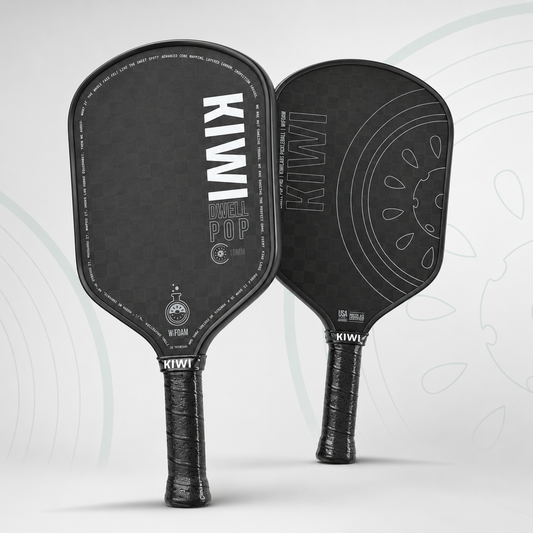
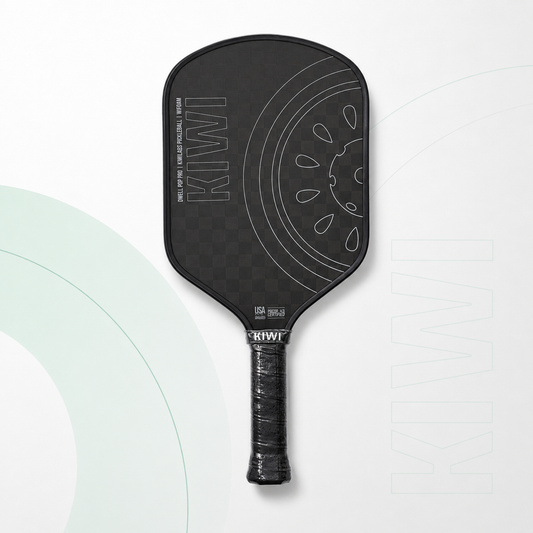
The best value move is not buying the cheapest “control” paddle or the most hyped one. It is finding a paddle with modern materials, a forgiving sweet spot, and honest performance tuning at a price that makes sense. That is where newer challenger brands have forced the market forward. Kiwi Labs, for example, has leaned into the idea that players should not have to overpay for raw carbon faces, strong spin, stable construction, and usable all-court control.
That matters because price and control are not directly connected. Expensive paddles can still be overly reactive. Lower-priced paddles can still feel disconnected or outdated. What you want is a paddle built with intention, not markup.
What to prioritize if you want better control fast
If your game needs help right now, prioritize forgiveness, stability, and a controlled face response over headline power. Look for a paddle that keeps the ball on the face long enough to feel the shot, offers enough grit to shape the ball, and stays solid when contact drifts off center.
Then be honest about your trade-offs. If you love fast hands, you may accept a little less plow-through. If you need help in transition, you may want more softness and stability. If you are already generating your own pace, you almost certainly do not need the hottest paddle on the wall.
The right control paddle should make your game feel quieter. Less guessing. Less fighting the face. More shots landing where your eyes and hands expect them to land. That is when you know you stopped shopping for marketing and started choosing performance.