


Paddle Surface Texture: What Actually Creates Spin

A paddle can have a premium carbon face, a huge sweet spot, and plenty of pop, then still feel wrong in your hands if the surface does not match your game. Paddle surface texture is one of the biggest reasons two paddles with similar shapes and cores can produce completely different results on a roll volley, a heavy serve, or a soft kitchen reset.
The marketing gets loud fast. Grit. Peel ply. Raw carbon. Laser etching. Texture is often treated as a one-word shortcut for spin, but that misses the point. A great surface has to create reliable ball bite without making touch shots unpredictable or losing its edge after a few weeks of play.
What paddle surface texture actually does
Surface texture is the finish on the paddle face that interacts with the pickleball at contact. When the ball stays on the face for a fraction longer and the face has enough friction to grab it, you can apply more rotation. That rotation is spin.
On a topspin drive, texture helps the paddle grip the ball as you brush upward. On a slice return or backspin dink, it helps you cut underneath the ball with more bite. The result is not just a higher spin number on a tester's chart. It is a ball that drops sooner, kicks harder after the bounce, or stays lower at your opponent's feet.
But texture is only one piece of the spin equation. Swing path, paddle speed, face angle, core response, and dwell time all matter. A highly textured face will not magically turn a flat swing into a heavy topspin drive. What it can do is give good technique more traction and make your best shots more repeatable.
That repeatability matters most in the shots players hit under pressure: third-shot drops, crosscourt dinks, speed-up counters, and returns meant to keep a hard hitter from attacking the next ball.
Why raw carbon surfaces feel different
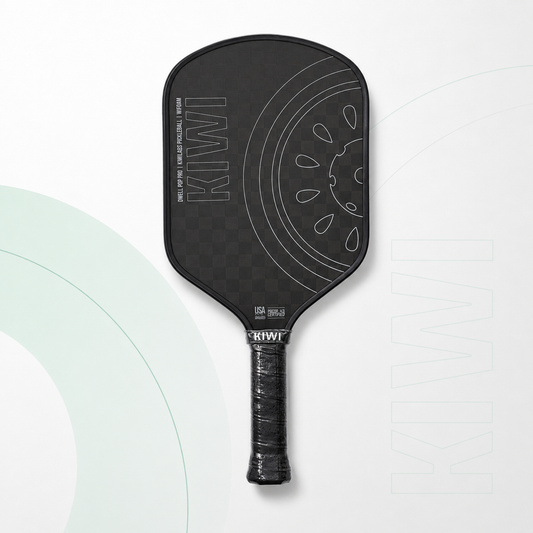
Raw carbon fiber has become popular because it offers a naturally textured weave rather than relying entirely on a sprayed-on grit layer. The woven carbon pattern creates micro-level friction across the face, helping the ball bite during contact while keeping a connected, controlled feel.
For many players, raw carbon also feels less slick and less springy than a glossy composite face. That can make it easier to shape the ball, particularly at the kitchen line. You can roll a dink or reset a hard drive with confidence instead of feeling like the ball is sliding off the paddle.
Still, not every raw carbon paddle plays the same. The carbon grade, weave, resin treatment, face layup, and construction all change the final response. Calling a paddle raw carbon tells you something useful, but it does not tell you everything. The core and perimeter construction may have just as much influence on whether the paddle feels plush, crisp, powerful, or stable.
Peel-ply texture versus applied grit
Two common approaches produce surface friction: a peel-ply texture formed during manufacturing and an applied texture added after the face is made.
Peel-ply surfaces use a textured release material during the molding process. When it is removed, it leaves a consistent pattern in the carbon face itself. This approach is popular because the texture is integrated into the face rather than sitting on top of it. Done well, it can offer dependable spin and a clean, natural feel.
Applied grit uses particles or a textured coating on the face. It can feel aggressively rough at first and may generate serious spin. The trade-off is durability. If that surface layer wears down, the paddle can gradually lose the friction that made it exciting out of the box.
Neither method automatically wins. A high-quality applied surface can perform extremely well, and a poorly executed peel-ply surface can feel underwhelming. The smarter question is whether the paddle maintains useful texture through real play while delivering the control and power profile you need.
More texture is not always better
Players often assume rougher equals better. Sometimes it does, especially for a player who creates a lot of spin with full swings and wants maximum bite on serves, drives, and passing shots. But ultra-aggressive texture can come with trade-offs.
At the kitchen, a face that grabs the ball too abruptly may feel less predictable on delicate touch shots. Players who rely on soft resets may prefer a textured carbon face paired with a forgiving core and longer dwell time, rather than a paddle built around an extremely abrasive feel.
There is also a practical limit. Pickleball governing-body rules set standards for paddle surface roughness. Legal texture should help you create spin through clean mechanics, not act like sandpaper that does the work for you. If a paddle promises impossible spin from an unusually harsh surface, skepticism is healthy.
The best target is usable friction. You want enough grip to shape the ball aggressively, with a response that still lets you control depth and placement when points slow down.
How texture affects control, pop, and dwell time
Texture is closely tied to feel, but it does not determine feel by itself. A stiff thermoformed paddle can have a spin-friendly raw carbon face and still feel powerful, crisp, and quick off the face. A full-foam paddle with a similar face may hold the ball longer, creating a more cushioned response for resets and drops.
That is why players should avoid buying based on a surface claim alone. Think about the whole build.
A player who attacks from the baseline may want textured carbon combined with a firmer core and more pop. That setup can turn topspin drives into a real weapon and make counters more dangerous. A control-focused player may prefer the same type of face on a paddle designed for stability, a larger sweet spot, and more dwell time. The spin is still there, but the ball stays manageable during fast hands exchanges.
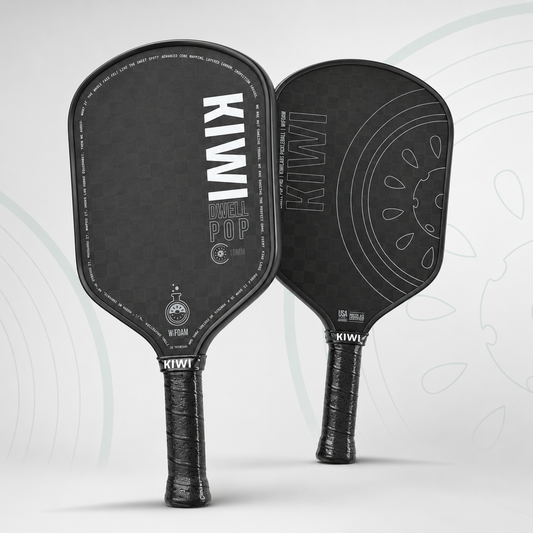
At Kiwi Labs Pickleball, that full-system approach matters. Carbon surface technology is most valuable when it works alongside the core, shape, weighting, and construction to produce a specific on-court result, not just a flashy spec sheet.
How to tell if a textured surface is right for you
Start with the shots you want to improve. If your drives tend to sail long, more surface friction can help you bring topspin into the court. If your slice return sits up, a better-textured face can add more skid and keep opponents from attacking comfortably. If your dinks feel inconsistent, however, the issue may be paddle touch, swing mechanics, or an overly lively core rather than a lack of grit.
Pay attention to what happens when you slow down. A paddle should not only feel great when you are ripping forehands in warmups. Hit resets against hard drives. Drop a few balls from the transition zone. Roll dinks crosscourt, then try to deaden the next ball. The right surface gives you confidence on both the aggressive and defensive shots.
Durability deserves attention too. A new paddle face can feel sharp and grippy, but the better test is whether that spin remains after regular play. Keep the face clean with a soft, damp cloth when needed, avoid harsh cleaners, and do not scrape at it with abrasive tools. Dirt and ball residue can reduce friction, while aggressive cleaning can damage the finish you paid for.
Choose texture for your game, not the hype
For most players, a quality raw carbon or textured carbon face offers the strongest balance of spin, control, and long-term value. Beginners will appreciate the extra margin when learning topspin and slice. Intermediate players can use it to make third shots and returns more intentional. Competitive players get the confidence to attack angles and keep opponents guessing.
The key is to avoid treating paddle surface texture like an isolated feature. The right face should support the way you play, whether that means heavy drives, patient dinks, quick counters, or an all-court mix of all three.
A paddle that helps the ball bite is valuable. A paddle that helps you trust your next shot is the one worth keeping in your bag.