


Pickleball Paddle Face Guide for Better Spin

A paddle can have an elite-looking carbon face and still feel wrong in your hands. That is why this pickleball paddle face guide starts with performance, not hype. The face is where the ball meets your paddle, so it has a direct effect on spin, launch, touch, and how confidently you can attack, reset, or roll a dink.
The catch: face material is only one piece of the build. Core thickness, construction method, paddle shape, swing weight, and surface texture all influence the final result. Still, understanding the face helps you separate useful technology from expensive buzzwords and choose a paddle that actually supports your game.
What a Pickleball Paddle Face Actually Does
The face is the outer hitting layer of the paddle. It is usually a composite material bonded to the core, often with a textured finish designed to create friction on the ball. When players talk about a paddle having “great spin,” “plush control,” or “crisp pop,” they are often describing the interaction between the face, texture, and core.
A good face should give you predictable feedback. On a soft dink, you want enough dwell time to feel the ball settle before it leaves the paddle. On a serve or drive, you want the surface to grab the ball so you can shape it with topspin. At the kitchen line, you want a reliable launch instead of a random trampoline effect.
That does not mean the roughest face is automatically best. Too much emphasis on surface grit can distract from the bigger question: does the paddle give you usable spin and consistent touch over a full match?
Raw Carbon Fiber Faces: The Modern All-Court Standard
Raw carbon fiber is the face material most serious players are comparing today, and for good reason. It typically delivers a controlled, connected feel with enough friction for heavy topspin serves, dipping drives, rolls, and cut shots. It has become the go-to option for players who want one paddle to handle dinks, resets, counters, and put-aways.
The term “raw” generally means the carbon material is exposed rather than covered by a thick painted finish. Many raw carbon faces use a peel-ply process, which leaves a naturally textured surface after manufacturing. That texture can help the paddle grip the ball without relying on a sprayed-on coating that may wear away quickly.
Raw carbon tends to suit improving intermediates and competitive players because it rewards clean mechanics. You can take a full swing from the baseline and still keep the ball dipping into the court. You can also slow your hands at the kitchen and trust the face to provide touch rather than launching every reset too high.
But raw carbon is not one universal feel. A thin, stiff carbon face on a thermoformed paddle can play crisp and powerful. A carbon face paired with a thicker core or full-foam construction can feel more muted, stable, or plush. “Raw carbon” tells you something useful, but it does not tell you everything.
What About T700 Carbon?
T700 is a commonly used grade of carbon fiber, but it is not a magic performance switch. It can be an excellent material, yet two T700 paddles can feel completely different because their weave, layup, resin system, core, edge construction, and surface finish are different.
Treat T700 as a material detail, not a reason to stop comparing. The more useful questions are whether the paddle has durable texture, a forgiving sweet spot, enough stability against pace, and the touch level you need for your current game.
Fiberglass Faces: Lively Feel and Easy Pop
Fiberglass, sometimes called composite, remains a smart choice for plenty of players. It is often more flexible than carbon fiber and can produce a livelier response. If you are newer to pickleball, have a compact swing, or simply want help generating depth, a fiberglass face may feel more immediately powerful.
That liveliness comes with a trade-off. Fiberglass paddles can feel more springy on hard contact, which may make delicate resets and soft drops less forgiving for some players. They also may not create the same level of durable, high-friction spin as a quality textured carbon face.
This is not a carbon-good, fiberglass-bad debate. A well-built fiberglass paddle can be a great value and a lot of fun. It just tends to favor accessible pop and a responsive feel, while carbon fiber more often favors spin, control, and a connected all-court response.
Graphite, Carbon Composite, and Aramid Blends
“Graphite” is a term that still appears in paddle marketing, especially on entry-level and older models. In practical terms, many graphite-faced paddles feel light, firm, and responsive, but the label itself does not guarantee premium spin or control. Ask how the surface is textured and what the paddle is designed to do.
Carbon composite faces blend carbon with other materials or layers. These can be tuned for different outcomes, including extra pop, a softer feel, or improved durability. The performance can be excellent, but the name alone is too broad to make a buying decision.
You may also see aramid blends marketed with familiar fiber names. Aramid can create a firm, distinctive impact feel and may help with durability in certain constructions. For most shoppers, though, the meaningful test remains simple: does the paddle provide predictable touch, reliable spin, and enough power for your style? Material novelty is not automatically an upgrade.
Texture, Grit, and Why Spin Does Not Last Forever
Face texture is what helps the paddle grip the ball. It can come from the natural texture of a peel-ply carbon surface, an applied grit coating, or a molded pattern. A textured face gives you more ability to brush the ball and create topspin, sidespin, and slice.
Applied grit can feel extremely aggressive when new, but it may wear down over time, especially for players who hit frequently or generate a lot of spin. Natural carbon texture may hold up better, depending on the manufacturing process, though every surface will eventually show wear.
Do not judge a paddle only by how rough it feels with your fingertips. A face can feel gritty but still deliver inconsistent shots if the core and construction are too bouncy or unstable. Conversely, a face that feels less abrasive can still generate excellent spin when the material, texture, and dwell time work together.
Keep your paddle face clean with a slightly damp microfiber cloth and let it dry fully. Avoid abrasive cleaners, sanding, or adding unauthorized surface treatments. Those shortcuts can damage the paddle, alter its play, and create equipment legality issues.
The Pickleball Paddle Face Guide to Matching Your Game
Start with the shots you want to improve. If your drives sail long, your drops float, and your resets feel rushed, prioritize a textured carbon face with a controlled response. A thicker core and a larger sweet spot can make that face even more forgiving.
If your bigger problem is generating depth and pace, a lively fiberglass or power-oriented carbon paddle may help. The goal is not to overpower every ball. It is to give your normal swing enough reward that you do not have to force it.
Players who live at the kitchen line usually benefit from a face that offers touch and spin first. Players who like to speed up, counter, and attack from the transition zone may prefer a firmer face and more pop. All-court players should look for the middle ground: enough dwell for drops and resets, enough texture for shape, and enough punch to finish a high ball.
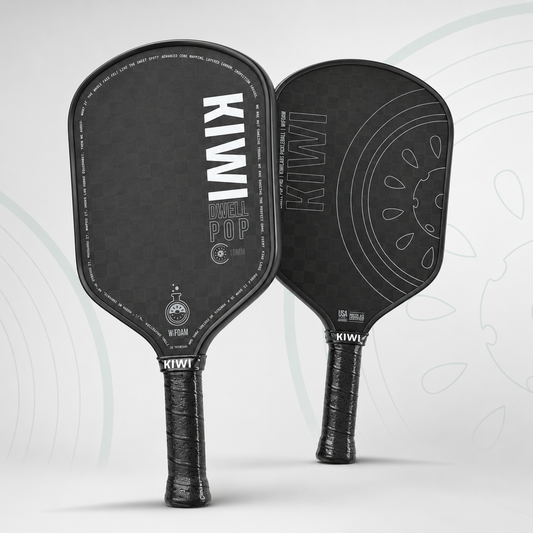
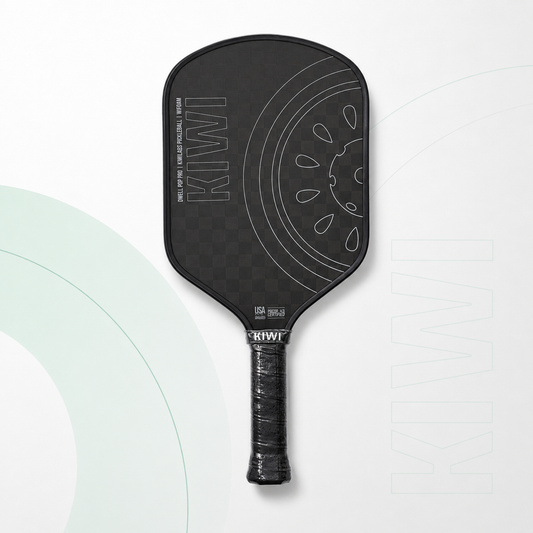
Also be honest about your level. Beginners do not need a paddle overloaded with technical claims. They need a comfortable, forgiving paddle that makes clean contact easier. As your mechanics improve, a modern carbon paddle can give you more shot variety without demanding a legacy-brand price tag. That is the value-focused approach behind Kiwi Labs Pickleball: advanced materials should improve your game, not inflate your checkout total.
Face Material Is Not the Whole Paddle
A premium face cannot rescue a poor fit. Before you buy, consider the rest of the paddle: a longer shape can add reach and leverage but may reduce forgiveness; a wider body can expand the sweet spot; a heavier swing weight can add stability but slow your hands; and a thicker core often increases control while a thinner core can feel faster and more explosive.
Construction matters, too. Thermoformed paddles may add perimeter stability and power, while full-foam designs can create a different blend of dwell, consistency, and pop. Neither construction is automatically better. The right choice depends on whether you need more touch, more offense, or a balanced response.
The best paddle face is the one that makes your favorite shots more repeatable and your difficult shots less stressful. Hit a few third-shot drops, block a few fast volleys, roll a few dinks, and drive a few serves. When the ball comes off the face with spin, control, and confidence, you have found something worth playing with.