


Pickleball Paddle Materials Guide

A paddle can look great on a product page and still feel completely wrong in your hand. That usually comes down to materials. This pickleball paddle materials guide breaks down what actually matters in paddle construction, so you can stop guessing and start matching materials to the way you play.
If you have ever wondered why one paddle feels plush on resets while another launches the ball with almost no effort, the answer is rarely just shape or weight. Face material, core material, foam use, and build method all work together. Marketing often treats these as buzzwords. Players feel them as spin, control, pop, forgiveness, and consistency.
Why pickleball paddle materials matter
Materials are the engine of paddle performance. The surface affects how the ball grips and releases. The core influences dwell time, vibration, and energy return. Edge construction can make the sweet spot feel stable or punish off-center contact.
That means materials do not just change specs on paper. They change what happens on your third-shot drop, how confident you feel speeding up a dink, and whether your block volleys die softly or sit up. For improving players, the wrong material mix can make good technique harder to trust. For advanced players, it can expose every tiny miss.
There is no perfect material for everyone. A paddle built for heavy spin and controlled resets may feel too muted for a player who wants easy put-away power. A paddle with extra pop may be a weapon in hands battles but harder to manage in soft kitchen exchanges. The right answer depends on your swing speed, how cleanly you strike the ball, and what kind of feedback you prefer.
Face materials in this pickleball paddle materials guide
Most players notice the face first because it has the clearest connection to spin and feel. But face materials are not just about surface texture. They also shape stiffness, flex, and how connected the paddle feels through contact.
Carbon fiber
Carbon fiber has earned its place for a reason. It delivers a controlled, connected feel with strong spin potential, especially when paired with a raw or textured finish. Players who like to shape the ball, roll dinks, and drive with confidence often gravitate here because carbon fiber tends to blend precision with enough feedback to trust your mechanics.
Not all carbon fiber paddles feel the same, though. Layup, thickness, resin system, and build quality matter a lot. Some carbon fiber faces feel plush and pocket the ball longer. Others feel firmer and more explosive. That is why two paddles with “carbon fiber” on the box can play very differently.
Fiberglass
Fiberglass is typically livelier. It tends to flex more at impact and can create easier depth and pop, especially for players who do not want to generate all the pace themselves. Beginners and lower-intermediate players often like fiberglass because it feels responsive without demanding perfect mechanics.
The trade-off is control. Fiberglass can feel a little springier on blocks, resets, and touch shots. Some players love that extra jump. Others find it harder to manage when the game speeds up.
Graphite and composite blends
Graphite used to get a lot of attention, but the term can be vague. In many cases, it points to a lighter, crisp face feel rather than a single clear performance profile. Composite faces mix materials to balance pop, touch, and durability.
This is where shoppers need to read beyond the headline. “Composite” can mean very different things from one brand to another. If the details are thin, you are often getting marketing instead of material transparency.
Core materials and why they change feel
If the face is what you notice first, the core is what you live with over time. It controls how the paddle absorbs force, returns energy, and handles mishits.
Polymer honeycomb cores
Polymer honeycomb is the standard for modern paddles and for good reason. It offers a strong balance of control, durability, and vibration dampening. Most players will be best served by a polymer core because it is versatile and forgiving.
But again, “polymer core” is only the starting point. Cell size, wall thickness, and paddle thickness all affect performance. A thicker polymer core often creates more control, a softer feel, and better reset ability. A thinner core usually brings more pop and faster hand speed, but less margin on touch shots.
Aluminum and Nomex
You will still hear about aluminum and Nomex in older or niche paddle discussions. Aluminum honeycomb can feel soft and controlled, but it is less common now. Nomex is known for a firmer, louder, more powerful response.
For most current players, these are not the main event. Polymer has taken over because it gives a more balanced, modern performance profile. Unless you know exactly why you want an older-style feel, polymer is usually the smarter choice.
Thermoforming, foam, and the modern paddle build
This is where paddle construction has changed the market. The best performance gains in recent years have not come from one magic face material. They have come from how materials are combined.
Thermoformed paddles
Thermoforming typically refers to a paddle built with heat and pressure to create a more unified structure around the edge and handle area. In practical terms, that often means more stability, more pop, and a more solid feel through contact.
A well-made thermoformed paddle can feel more powerful and more consistent across the face. Off-center hits usually hold up better. The trade-off is that some thermoformed paddles can feel too hot or too stiff for players who want maximum softness at the kitchen.
Foam-injected and full-foam designs
Foam around the perimeter or integrated more deeply into the build can expand the sweet spot, improve twist stability, and refine feel. That matters more than it sounds. A bigger, more stable sweet spot means fewer dead misses when you are stretched wide or reacting fast at the net.
Full-foam and advanced foam-enhanced builds can also change the balance between dwell time and pop. Done well, they help a paddle feel stable without feeling sluggish. Done poorly, they can feel muted or disconnected. This is one area where engineering quality really separates serious brands from copycat product launches.
How materials affect spin, power, and control
Players often shop by category. More spin. More power. More control. Materials do influence all three, but not in isolation.
Raw carbon fiber surfaces usually give players strong spin potential because they grip the ball well and create a confident brushing response. Thicker polymer cores often support control by softening contact and extending dwell time. Thermoformed structures and livelier face materials can add power by improving energy return.
Still, every gain comes with a trade-off. A paddle that produces easy pace can ask for a steadier hand in the soft game. A paddle built for maximum control may require more swing speed to finish points. The best paddles are not extreme in one direction. They are tuned for a style of play.
That is why material transparency matters. If a brand only talks about “elite performance” without explaining face, core, and construction details, you are being asked to buy hype. Serious players should expect better.
Which paddle materials fit your game?
Beginners often do best with materials that offer a forgiving response and enough pop to keep the game fun. That can mean fiberglass or a balanced carbon fiber build with a large sweet spot and stable polymer core. You do not need the most aggressive, pro-level setup to improve.
Intermediate players usually start noticing where their paddle is holding them back. If resets float, a softer carbon fiber face and thicker core may help. If drives feel weak, a livelier build or thermoformed design can add put-away power. This is the stage where materials begin to feel less theoretical and more personal.
Advanced players tend to care about fine margins. They want a paddle that keeps spin high, rewards clean mechanics, and stays predictable under pressure. Carbon fiber faces, premium polymer cores, and modern foam-enhanced construction are popular here because they can support all-court play without forcing one-dimensional performance.
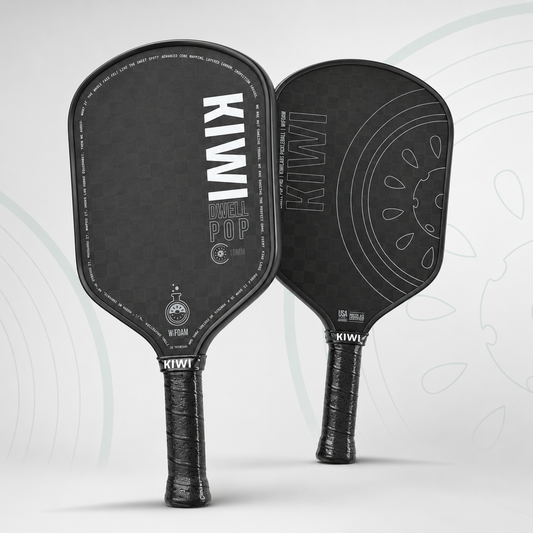
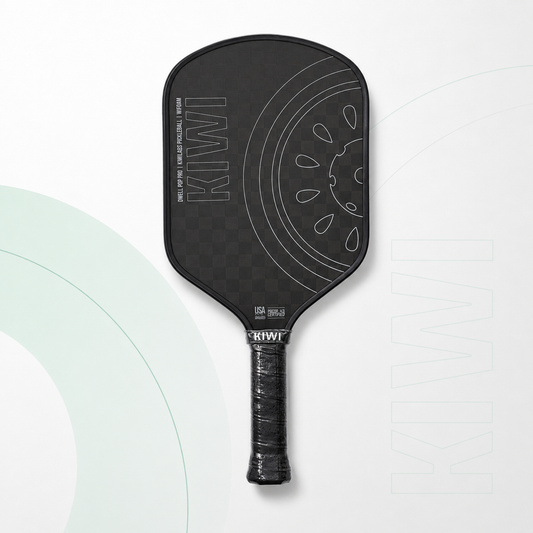
That is a big reason brands like Kiwi Labs have focused on premium carbon fiber and advanced build methods without attaching legacy-brand pricing. Players want real material advantages, not a bigger markup.
What to ignore when shopping
Do not shop by one material alone. A carbon fiber face does not automatically make a paddle great. A thermoformed build does not automatically make it too powerful. The whole construction matters.
Also, do not confuse louder claims with better engineering. Terms like “pro,” “max,” and “tour” tell you almost nothing. Look for specifics. What is the face material? Is the surface raw or coated? What kind of polymer core is inside? Is there perimeter foam? Is the paddle built for dwell time, pop, or balance?
The more clearly a brand answers those questions, the easier it is to buy with confidence.
The smartest way to use this pickleball paddle materials guide
Use materials as a filter, not as a shortcut. Start with how you want the paddle to play. Then work backward to the material mix that supports that result. If you want heavy spin and controlled touch, lean toward carbon fiber and a more control-oriented core setup. If you want easier power and fast offense, look for a livelier build with more energy return.
The right paddle should make your strengths feel stronger and your misses feel less costly. When the materials line up with your game, you notice it right away - better depth, cleaner resets, more confident speed-ups, and fewer shots that feel like surprises.
That is the real point of understanding paddle materials. Not to memorize jargon, but to buy smarter, play better, and know exactly what you are paying for.