
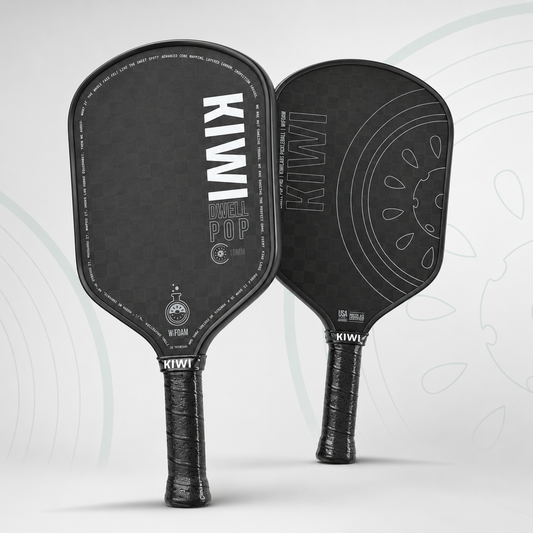


What Is Thermoforming in Pickleball Paddles?

A paddle can have raw carbon fiber, a thick core, and great specs on paper, then still feel unstable when you catch a fast drive near the edge. Construction is often the difference. So, what is thermoforming in pickleball? It is a heat-and-pressure manufacturing process that fuses key paddle components into a more unified structure, usually producing a firmer, more powerful, and more stable feel than traditional paddle builds.
Thermoformed paddles became a major shift in the performance paddle market because they gave players more usable power without requiring a wildly heavy or uncontrollable paddle. But thermoforming is not a magic label. The quality of the carbon face, core, foam, shape, balance, and finishing process still determine whether a paddle actually helps your game.
What Is Thermoforming in Pickleball?
In a traditional paddle build, the face, honeycomb core, edge guard, and handle may be assembled as separate pieces and bonded together. In a thermoformed build, manufacturers use heat and pressure to mold and fuse the paddle's layers into a more integrated unit. The exact process varies by brand and model, but the goal is the same: create a paddle with a stronger perimeter and a more connected response at impact.
Many thermoformed paddles begin with carbon fiber face material wrapped or bonded around a polymer honeycomb core. During molding, heat and pressure help form the paddle shape and strengthen the bond between those materials. Manufacturers may also inject or place foam around the perimeter of the core before or during assembly.
That perimeter foam matters. It can increase twist resistance, enlarge the effective sweet spot, dampen some vibration, and help the paddle return more energy to the ball. The result is often a paddle that feels solid through the ball rather than hollow or fluttery.
The term is sometimes used too broadly. A paddle is not automatically better just because a product page says "thermoformed." Ask what else is in the build: Is it raw carbon fiber? Does it have perimeter foam? What is the core thickness? Is the paddle head-heavy? Those details tell you far more about the playing experience.
How Thermoformed Pickleball Paddles Play
The clearest on-court benefit of a well-made thermoformed paddle is stability. When you block a hard speed-up, reset a drive, or defend a body shot, the paddle is less likely to twist in your hand. That makes contact feel more predictable, especially on off-center hits.
Thermoformed construction can also add pop. Pop is the quick rebound you feel when the ball leaves the face with minimal swing effort. It helps on counters, punch volleys, flicks, and aggressive returns. Players who feel their current paddle dies at the kitchen line often notice this difference immediately.
Power is related, but it is not identical to pop. Power shows up more on full swings such as serves, drives, and baseline passing shots. A thermoformed paddle can deliver deeper, heavier shots because its firmer construction transfers energy efficiently. If you are tired of over-swinging to get depth, this can be a meaningful upgrade.
The best versions do not trade all touch for power. Perimeter foam and a quality core can create enough dwell time for controlled drops, dinks, and resets. Dwell time is the brief moment the ball stays on the paddle face. More dwell can make the paddle feel easier to shape and guide, particularly when you are adding topspin or trying to soften a third-shot drop.
That said, feel is personal. Some players love the crisp, connected response of thermoforming. Others prefer a plush, muted paddle that absorbs more pace. There is no universal winner. Your hand speed, grip pressure, swing path, and preferred style all matter.
Why the Sweet Spot Often Feels Bigger
A paddle's sweet spot is not one tiny circle stamped in the middle of the face. It is the area where the paddle delivers its cleanest, most stable, most repeatable response. Thermoforming can improve that response by reinforcing the paddle perimeter and reducing frame flex.
Imagine catching a fast volley closer to the upper corner of the face. A less stable paddle may twist, vibrate, or send the ball shorter than expected. A well-executed thermoformed paddle is more likely to hold its line. You still missed the center, but the miss is less punishing.
This is valuable for every level of player. Beginners benefit because their contact point is still developing. Intermediate players benefit because faster exchanges produce more rushed contact. Competitive players benefit because they are intentionally using more of the face for rolls, counters, and reaction volleys.
A larger effective sweet spot does not mean every shot becomes perfect. It means your paddle gives you more margin when pickleball gets fast, messy, and physical at the kitchen line.
Thermoforming, Raw Carbon, and Foam Are Not the Same Thing
These terms often get thrown together, but they describe different parts of a paddle.
Thermoforming refers to the manufacturing and bonding process. Raw carbon fiber refers to the texture and material of the hitting surface. A raw carbon face is popular because it can create strong friction for topspin serves, dipping drives, and aggressive roll volleys. Foam refers to material used around the perimeter, in the core, or throughout the paddle depending on the design.
A paddle can be thermoformed with a raw carbon face and perimeter foam, which is a common high-performance setup. It can also be thermoformed without delivering extreme spin, or feature foam without being built in the same thermoformed style. That is why smart paddle shopping means looking past a single buzzword.
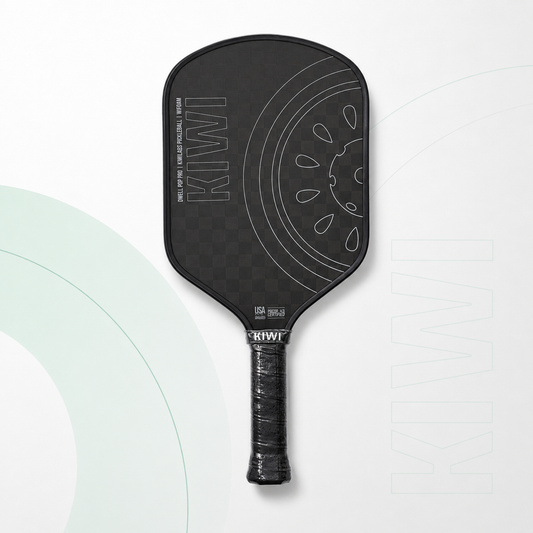
At Kiwi Labs Pickleball, the focus is not simply adding advanced construction terms to a paddle. It is pairing modern materials and build methods with a playing purpose: more confidence on hard counters, more shape on spin shots, and more control when the point slows down.
The Trade-Offs to Know Before You Buy
Thermoformed paddles are not automatically the right choice for everyone. Their added stiffness and pop can require an adjustment period, particularly for players moving from a soft fiberglass or entry-level composite paddle. A quick punch volley that used to land safely in the kitchen may carry deeper until you adjust your touch.
Some thermoformed models can also feel head-heavy, especially elongated paddles designed for reach and power. That extra swing weight can be excellent for serves and drives, but it may fatigue players who prefer fast hand battles or who have wrist and elbow sensitivity.
Durability depends on execution, too. Early thermoformed designs across the market sometimes developed issues such as core crushing, delamination, or changing performance over time. Manufacturing has advanced, but no construction category is immune to quality-control problems. A transparent warranty and return policy remain part of buying with confidence.
Core thickness changes the equation as well. A thinner thermoformed paddle, often around 13 or 14 mm, usually feels quicker and more explosive. A thicker 16 mm model typically offers more forgiveness, control, and shock absorption. Neither is inherently superior. The better fit depends on whether your game needs more put-away pace or more calm under pressure.
Who Should Use a Thermoformed Paddle?
A thermoformed paddle makes sense for players who want more stability, power, and spin potential without giving up all-court versatility. It is especially appealing if you regularly face hard hitters, struggle with off-center contact, or want your drives and counters to do more damage with less effort.
Improving intermediate players often get the biggest immediate benefit. They have enough touch to manage the added pop, but they still gain a lot from the larger effective sweet spot and easier depth. Competitive players may prefer thermoforming for its ability to handle pace while creating aggressive offense from both the baseline and kitchen line.
If you are brand new to pickleball, a thermoformed paddle can still work, but it is worth choosing one with a forgiving core and manageable swing weight. More power is only useful if you can keep the ball in the court. Players who prioritize soft touch above everything else may also prefer a control-focused build rather than the hottest paddle available.
How to Evaluate a Thermoformed Paddle
Start with the performance problem you want to solve. If blocks feel unstable and your drives lack depth, look for a thermoformed paddle with perimeter foam and a balanced or slightly head-weighted setup. If you already generate plenty of pace but want better resets and dinks, a thicker core and lower swing weight may suit you better.
Then look at the full construction package. A textured raw carbon face supports spin. A quality polymer core helps control. Perimeter reinforcement can improve stability. Handle length, paddle shape, static weight, and swing weight determine whether that technology feels right in your hands.
Do not buy a paddle because a label promises power. Buy it because its construction matches the shots you want to improve. The right thermoformed paddle should make your aggressive shots more dangerous and your defensive shots more dependable - not force you to play someone else's game.