


Why Do Thermoformed Paddles Delaminate Over Time?

A thermoformed paddle can feel incredible right up until it does not. One week, your drives have that connected, lively response. The next, the face sounds different, the sweet spot feels less predictable, or you notice a faint bubble under the carbon. That leads players to ask: why do thermoformed paddles delaminate?
The short answer is that the layers meant to work as one structure begin separating. But the real answer is more useful: delamination is usually a combination of bonding quality, repeated impact, heat exposure, and the extra stress created by a powerful modern paddle design. It is not inevitable, and it is not the same thing as normal wear.
What Delamination Actually Means in a Thermoformed Paddle
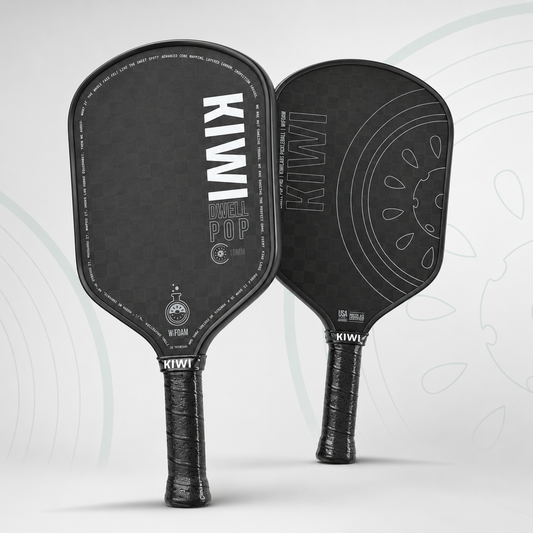
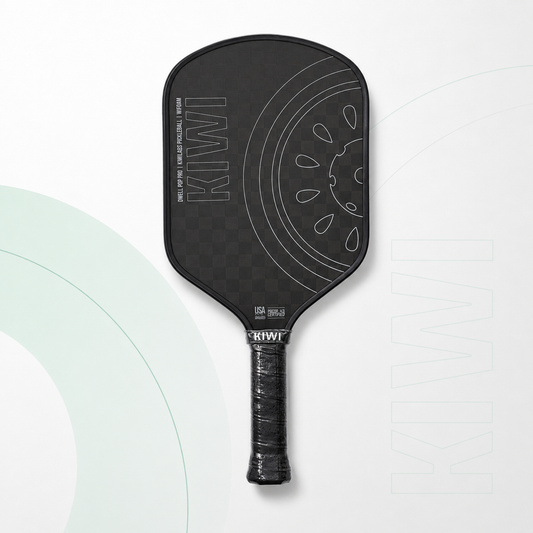
A thermoformed paddle is built by using heat and pressure to shape and bond its components. While construction varies by model, the usual setup includes a carbon fiber face, a polymer honeycomb core, adhesive or bonding materials, and an edge structure that helps hold the paddle together.
When a paddle delaminates, the face or another outer layer partially loses its bond to the core. Instead of acting like one unified hitting surface, the separated area can flex independently. That changes energy transfer at contact, which is why a delaminating paddle may suddenly feel unusually springy, hollow, dead, or inconsistent.
Players often use “delamination” as a catch-all term for any strange paddle sound. That can create confusion. A loose edge guard, a rattle from debris inside the paddle, normal surface wear, or core crushing can all affect sound and feel. True delamination is specifically a separation between bonded layers.
Why Do Thermoformed Paddles Delaminate?
Thermoforming can create a highly responsive, stable paddle with a generous sweet spot. It can also put more demand on the bond between the face and core. The construction is engineered to handle thousands of impacts, but every hard drive, overhead, and fast hand battle applies force across that bond line.
Bonding flaws can start the problem
The most direct cause is an imperfect bond during manufacturing. If adhesive coverage is uneven, curing conditions are off, or materials are not aligned consistently before pressing, small weak points can remain beneath the face.
Those weak points may not show up on day one. The paddle can pass an initial inspection and still develop a problem after repeated play exposes that vulnerable area. This is why a paddle that looked and felt great for several weeks can eventually show a bubble or an unexpected change in pop.
That does not mean every thermoformed paddle is a gamble. It means quality control matters. Better materials and tighter manufacturing tolerances reduce the odds of weak bonding, which is one reason material transparency should matter to performance-minded players.
Repeated high-impact play adds stress
Pickleball paddles are not static pieces of equipment. A player who hits heavy topspin serves, attacks from the baseline, and counters hard at the kitchen is repeatedly compressing the face and core at high speed.
Over time, that force can fatigue a marginal bond. The effect may be more likely around the upper third of the face, where many players strike overheads and off-center balls, but it can happen anywhere. Mis-hits matter, too. A ball struck near the edge can create localized stress that a centered shot does not.
This is partly the trade-off of chasing more pop. A paddle built to return energy quickly can feel electric in a speed-up exchange. But high-output construction needs to remain structurally connected to stay consistent.
Heat is tougher on paddles than most players realize
Heat can soften or weaken bonding materials over time, especially when a paddle is left in a hot car, stored in direct sunlight, or packed into a garage that bakes all afternoon. Carbon fiber itself handles heat well, but the full paddle is a system of different materials. Adhesives, foam components, edge materials, and polymer cores do not all react the same way.
A single hot afternoon will not automatically ruin a paddle. Repeated high-heat exposure is the bigger concern. Think of it as cumulative stress: a bond that is already being worked by thousands of impacts has less room for added environmental abuse.
Cold temperatures are not ideal either. A very cold paddle can feel stiffer and more brittle during play, particularly if it is immediately subjected to hard impacts. Avoid extremes whenever possible.
Edge damage can give moisture and stress a way in
An edge guard is not just cosmetic. It protects the perimeter, where the paddle’s construction is especially exposed. Repeated scraping, court strikes, or paddle clashes can loosen the guard or damage the bond underneath it.
Once the perimeter is compromised, the face has less support at the edges. That does not guarantee delamination, but it can make separation more likely over time. If you see a lifting edge guard or a crack that runs from the edge toward the face, do not treat it as a purely visual issue.
Core problems can look similar, but are different
Core crushing happens when honeycomb cells inside the paddle compress or break down. It may create a softer, muted area and reduce control, especially during resets and dinks. The face may still be fully bonded to the core.
Delamination, by contrast, often creates a more pronounced hollow sound, a visible raised area, or an unusually trampoline-like response. Both issues can change a paddle’s legal performance characteristics, and both deserve attention. The distinction matters because it helps you communicate clearly if you need warranty support.
How to Spot Delamination Before It Gets Worse
The most obvious sign is a bubble, raised spot, or visible separation under the face. But not every case is that clear. Pay attention when the paddle’s sound and response shift suddenly without a corresponding change in your game.
A paddle with a healthy bond should feel relatively consistent across its usable sweet spot. If one area becomes noticeably louder, hollower, or more explosive than the rest of the face, inspect it closely. You may also notice balls launching unexpectedly on compact swings, while touch shots feel harder to calibrate.
A simple check is to gently press around the face with your thumb, using consistent light pressure. Do not aggressively bend or pry at the surface. You are looking for an area that flexes differently than the surrounding face or produces an unusual crackling sensation. Then compare the sound of light taps across the paddle. A dramatic change in tone can be a clue, though it is not definitive proof by itself.
If the paddle has a removable edge tape, take it off before inspecting the perimeter. Edge tape can hide damage, trap moisture, and make it harder to see whether the edge guard is separating.
What to Do If You Think Your Paddle Is Delaminating
Stop treating the paddle like it has to survive one more tournament. Continuing to hammer balls with a suspected delaminated face can worsen the issue and make the paddle increasingly unpredictable.
First, take clear photos in good light. Capture any bubbles, lifted edge sections, cracks, or visible changes in the surface. Next, make a short video of the sound difference if there is one. Be specific about when you first noticed the issue, how often you play, and whether the paddle has experienced a hard impact or extreme heat.
Then review the brand’s warranty terms. Legitimate manufacturing defects should be handled through a straightforward process, not brushed aside as “normal wear” without a real evaluation. At Kiwi Labs Pickleball, the goal is simple: players should understand what they are buying, how it is built, and when a real performance issue deserves support.
Do not try to inject glue under the face, heat the paddle to reseal it, or clamp it back together. DIY repairs can permanently alter performance, make the paddle unsafe or non-compliant for organized play, and complicate a warranty claim.
How to Help Your Thermoformed Paddle Last Longer
You cannot eliminate wear from a paddle built for hard play, but you can avoid the preventable stuff. Keep it out of hot cars and direct sun, especially in summer. Store it indoors at a stable temperature, ideally in a paddle cover or bag compartment that prevents unnecessary impacts.
Use edge tape if you regularly scrape the court, but replace it when it gets worn or dirty. Check the edge guard after paddle clashes and accidental drops. Most importantly, do not use your paddle as a lever, a ball retriever against a rough surface, or a makeshift seat-side tool. Premium carbon fiber should be played with, not abused.
The best paddle is not simply the one with the most pop on day one. It is the one that gives you dependable spin, control, and response through the sessions that matter. If your paddle begins telling you something has changed, listen early - your game deserves a hitting surface you can trust.