
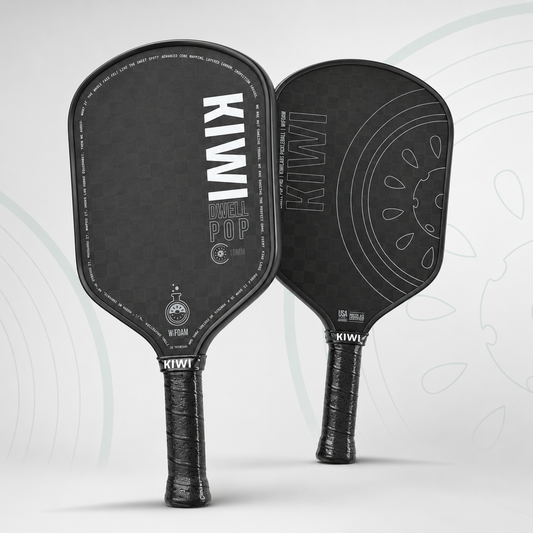
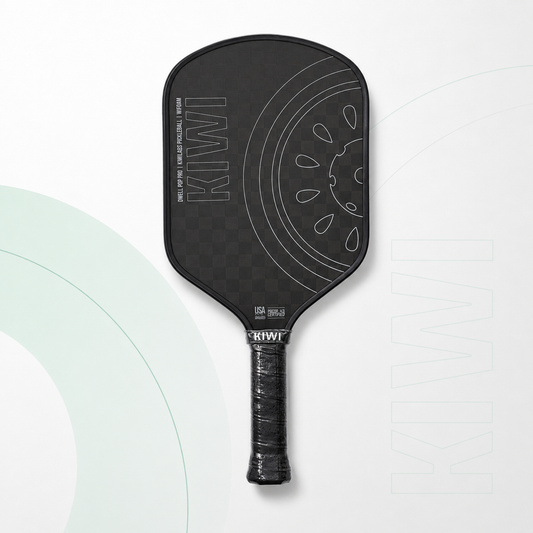


Affordable Premium Pickleball Paddles

A lot of paddles claim premium performance right up until you look past the marketing and into the actual build. That is exactly why affordable premium pickleball paddles matter. Players want raw carbon faces, strong spin, stable sweet spots, and reliable feel - not a flashy price tag doing all the heavy lifting.
The good news is that you no longer need to spend at the very top of the market to get serious performance. The better question is not whether a paddle is expensive. It is whether the materials, construction, and on-court results actually justify the cost.
What makes a paddle feel premium
Premium is one of the most abused words in pickleball. Sometimes it means a paddle has the right materials. Sometimes it just means the branding is polished and the price is high.
A truly premium paddle usually starts with its face material and internal construction. Raw carbon fiber has become popular for a reason. It tends to offer excellent grip on the ball, which helps generate spin on serves, drives, rolls, and dipping passing shots. Beyond spin, it often gives players a more connected feel than a basic fiberglass face, especially in soft game situations.
Construction matters just as much. Thermoforming can improve stability and power, while foam-injected walls or perimeter foam can expand the sweet spot and reduce some of the harshness on off-center contact. Core thickness also changes the way a paddle plays. Thicker cores often lean toward control and forgiveness. Thinner or more pop-focused constructions can give you easier put-away power, but sometimes at the expense of touch.
That is where the trade-off shows up. Premium does not mean one thing for every player. A paddle that feels premium to a former tennis player might be one with fast hands, extra pop, and aggressive spin. A paddle that feels premium to a control-first doubles player may be one that stays calm in resets and absorbs pace at the kitchen.
Affordable premium pickleball paddles are about value, not compromise
There is a difference between cheap and affordable. Cheap usually means corners were cut. Affordable means the paddle delivers high-end performance without charging for legacy brand markup, oversized sponsorship budgets, or recycled product stories.
That distinction matters if you play often. A paddle that performs well for a month and then loses consistency is not a deal. A paddle with decent specs on paper but a tiny sweet spot is not a value win either. Affordable premium pickleball paddles should still give you the features that affect real points: dependable spin, enough forgiveness to keep mishits playable, solid touch on drops and dinks, and enough power to finish when the opening appears.
For most players, value also means having options. Not everyone needs the same balance of dwell time, pop, and control. Some paddles are better for newer players who need help with consistency and confidence. Others are better for experienced players who want more aggressive counters and speed-ups. The best affordable premium category gives players access to both, instead of forcing them into one generic “all levels” paddle.
How to judge performance without falling for hype
Start with the face. If a paddle uses carbon fiber, ask what kind and why it matters. Raw carbon surfaces are popular because they can help with ball bite and spin. That does not automatically make every carbon paddle elite, but it is a meaningful starting point.
Then look at the core and shape. An elongated paddle can give you extra reach and a bit more plow-through on drives, but it may feel less forgiving than a wider shape. A wider body can make resets and blocks easier, especially for players who value control and fast exchanges. Neither is universally better. It depends on how you win points.
Weight and balance are easy to overlook, but they change everything. A head-heavy paddle may offer more put-away power, yet feel slower in hand battles. A more balanced setup can improve reaction speed and comfort, especially over long sessions. If your shoulder or elbow gets cranky, this part matters even more.
Finally, ignore broad claims like “max power” or “ultimate control” unless they come with context. Every paddle design makes choices. More pop can make touch shots less forgiving. A plush, control-oriented feel can mean you need to create more of your own pace. Good brands explain those trade-offs instead of pretending one paddle does everything perfectly.
Who should buy affordable premium pickleball paddles
Beginners can absolutely benefit from better materials, but they should be selective. If you are still building mechanics, a paddle with a generous sweet spot and predictable response will usually help more than an ultra-lively power model. Better spin and feel can support faster improvement, but only if the paddle is stable enough to trust.
Intermediate players often get the biggest upgrade. This is the level where you start noticing whether your paddle helps with resets, rewards clean topspin mechanics, and stays solid on counters. If you are competing with regular club players and trying to level up your third-shot drops, drives, and transition game, paddle construction becomes very real very fast.
Advanced players usually know what they want, but even they should question inflated pricing. If a paddle offers thermoformed construction, strong spin potential, a large usable sweet spot, and the right blend of dwell and pop, the logo alone should not determine whether it deserves a premium price.
The specs that matter most on court
Spin is easy to understand because you can see it immediately. Heavy topspin helps drives dip. Slice can keep opponents uncomfortable. But spin by itself is not enough. If the paddle feels unpredictable on touch shots, the benefits fade quickly.
Control is what keeps you in points. It shows up in resets that land softly instead of popping up. It shows up in dinks that hold their line. It shows up when you can absorb pace without the paddle feeling jumpy.
Pop is different from raw power. Pop is that quick burst on counters, blocks, and hand fights. It can be a major weapon, especially in fast doubles, but too much of it can make the soft game harder to manage. Some players love that lively response. Others need more dwell time and a calmer face.
Sweet spot size is one of the biggest quality indicators in the affordable premium range. A large, stable sweet spot helps across every skill level because nobody hits dead center on every ball. Good construction makes the paddle playable even when contact is slightly off.
Why direct-to-consumer brands changed the market
The rise of direct-to-consumer paddle brands has put pressure on the old pricing model, and that is a good thing for players. When a brand focuses on materials, construction, and player fit instead of bloated retail markup, the buyer gets more paddle for the money.
That shift also pushed better product education into the market. Players now expect to understand what thermoforming does, why raw carbon matters, how foam affects feel, and which shape fits their game. That transparency is healthy. It makes it harder to hide average performance behind premium pricing.
Brands like Kiwi Labs Pickleball have helped make that conversation more useful by treating players like informed buyers, not impulse shoppers. That means clearer paddle positioning, better explanations of feel and performance, and more honest guidance around who a paddle is actually for.
How to choose the right one for your game
If your game is built around resets, dinks, and placement, lean toward a paddle with a thicker core, a stable feel, and enough dwell time to keep the ball on the face a touch longer. You want confidence under pressure, not just highlight-reel speed-ups.
If you attack often and like to counter hard, look for a paddle that brings faster hands and more pop without becoming wild in the soft game. This is where balance matters. The best offensive paddles do not just hit hard - they stay usable when the point slows down.
If you are an all-court player, prioritize a paddle that does not force you into one style. A balanced premium paddle should give you spin on serves, control on drops, enough forgiveness in transition, and put-away ability when the ball sits up.
Price should be part of the decision, but not the whole decision. The real goal is finding a paddle that gives you more confidence shot after shot. If a lower-priced premium model helps you swing freely, trust your resets, and attack when it is there, that is not settling. That is buying smarter.
The best paddle is not the one with the loudest claims or the highest price. It is the one that makes your game feel cleaner, more repeatable, and more dangerous the next time you step on court.