
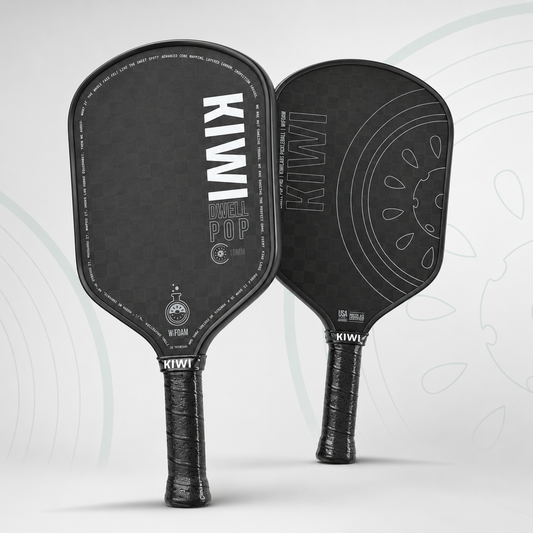
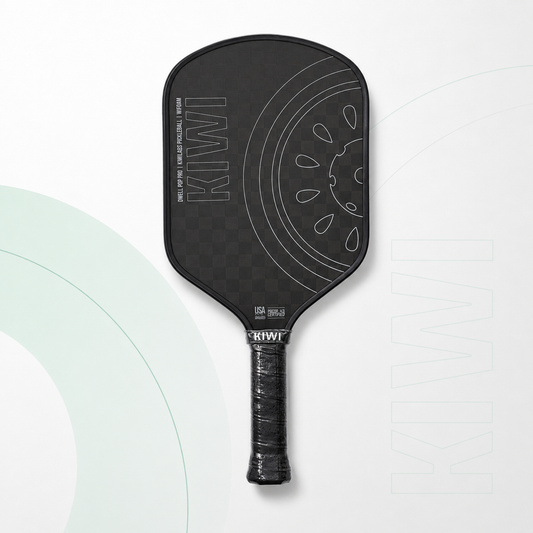


Best Paddles Under 150 for Pickleball Players

A $150 budget is no longer the line between entry-level gear and real performance. The best paddles under 150 can now bring raw carbon fiber faces, foam-enhanced construction, serious spin potential, and the kind of sweet spot that makes a tough reset feel less like a coin flip. The catch: not every paddle that looks premium on a product page will play premium once the pace picks up.
The smart move is to shop the performance profile, not the loudest claim on the box. A paddle should help the shots you actually miss - whether that is controlling third-shot drops, generating more shape on serves, finishing an overhead, or keeping hands battles from getting away from you.
What the Best Paddles Under $150 Should Deliver
At this price, you should expect a paddle that feels intentional. That means a quality carbon face or another genuinely textured face material, a core built for consistency, comfortable grip dimensions, and a shape that fits your game. You should not have to settle for a tiny sweet spot and a slippery painted surface just because the price is below a legacy-brand premium model.
Start with the face. Raw carbon fiber has earned its reputation because it creates reliable friction on the ball. That friction helps you add topspin to a drive, slice to a return, and controlled cut to a dink. It is not a magic shortcut to better technique, but it gives good mechanics more bite.
Then consider the core and perimeter construction. A thicker core usually gives you more control, more dwell time, and a softer response on drops and resets. Thinner cores tend to feel quicker and livelier, which can help players who need put-away power or a faster hand-battle response. Foam around the perimeter or throughout the paddle can expand the usable hitting area and stabilize off-center contact, but the feel varies dramatically from model to model.
A bigger sweet spot matters more than most spec sheets suggest. Recreational and intermediate players rarely miss because their paddle has one point less of swing weight. They miss because contact is not perfectly centered under pressure. A stable paddle that keeps the ball predictable near the edges can improve your confidence faster than a paddle that feels amazing only on perfect contact.
Start With Your Game, Not a Spec Sheet
The right paddle depends on what you want more of. Players often chase power when their real issue is control, or buy a soft control paddle when they already struggle to create depth from the baseline. Be honest about the pattern in your game.
If drops float high, dinks pop up, and resets feel jumpy, lean toward a thicker, control-first paddle. If you are landing drops but your drives sit up and your overheads lack finish, a more responsive construction may fit better. All-court players should look for a balanced blend of pop, spin, and stability rather than pushing one trait to the extreme.
Weight is the other decision that changes everything. A lighter paddle can be quick at the kitchen and easier on the arm, but it may get pushed around against hard hitters. A heavier paddle adds plow-through and stability, yet it can feel slower in rapid exchanges. There is no universal winner. Most players do well with a manageable midweight paddle that stays fast enough in their hands without feeling hollow on blocks.
Best Paddles Under 150 by Player Profile
1. The new player who wants room to improve
Beginners should avoid buying the cheapest paddle available just to “see if they like pickleball.” A low-quality face can make spin difficult, while an unstable core makes clean technique feel inconsistent. Look for a forgiving all-court paddle with a generous sweet spot, medium weight, and a comfortable grip.
The goal is not maximum power. It is repeatable contact. A paddle such as the Citrus 2.0 profile makes sense for the player moving beyond borrowed equipment and building reliable fundamentals without spending like a tournament regular.
2. The control player who lives at the kitchen
If your best points come from patient dinking, soft angles, and well-timed resets, prioritize touch over raw explosiveness. A thicker core and a more muted response can give you the margin to absorb pace and keep balls low.
Control does not mean dead. The best control-oriented options still need enough pop to punish a high ball. What you are looking for is predictability: the same swing should produce the same depth, even when contact is slightly off center.
3. The all-court competitor
Most improving players belong here. You want spin for aggressive serves and drops, enough power to drive through the court, and enough softness to win the first few kitchen exchanges instead of donating them.
A modern thermoformed carbon paddle is often the best fit, provided it does not feel overly stiff in your hands. Thermoforming can create a more connected, powerful response and strong torsional stability. The trade-off is that some thermoformed paddles feel too poppy for players who have not developed a consistent soft game.
4. The spin-first shot maker
Spin should be useful, not just a number in a paddle test. The right face lets you shape a dipping drive that forces a weak volley, roll your backhand dink over the net with confidence, and create a return that pushes opponents back.
Prioritize a textured carbon face and a handle length that lets you accelerate comfortably through the ball. Do not buy a spin paddle expecting it to cover for an open paddle face or a late swing. It amplifies the shots you already know how to hit.
5. The player who needs more pop
Pop is that immediate, springy response when you catch the ball cleanly. It helps on counters, speed-ups, overheads, and compact swings where there is not time to take a big backswing. Players who feel their current paddle absorbs everything may benefit from a thinner build, thermoformed construction, or a paddle designed with more rebound.
The compromise is touch. More pop can make soft drops and defensive resets more demanding, especially before you adjust. If you play mostly fast, competitive games, that exchange may be worth it. If your game is built around patience and placement, do not mistake louder impact for better performance.
6. The former tennis player
Tennis converts often prefer an elongated shape because it feels familiar on drives, serves, and two-handed backhands. The extra reach is real, and the longer handle can make a two-handed backhand more natural.
But elongated paddles can shift weight toward the head and reduce forgiveness compared with wider shapes. Choose one only if you value reach and leverage more than the broadest possible sweet spot. If hand speed at the kitchen is your priority, a standard or hybrid shape may be the better call.
7. The player chasing a plush, stable feel
Full-foam and foam-enhanced designs are changing what value paddles can feel like. Done well, they can create a large, forgiving hitting area with a more connected feel on blocks, rolls, and resets. That can be a major advantage when opponents target your body or when you are defending hard drives at the kitchen line.
The key is balance. A soft, stable paddle still needs enough energy to get the ball deep. Players who want this blend should test whether the paddle feels controlled rather than muted. The DwellPop Gen 4 and Circuit-style performance category is aimed at players who want modern construction choices without treating premium pricing as proof of premium play.
Watch for Value Traps Before You Buy
Price alone does not define value. Some paddles sit under $150 only during promotions, while others are built to stay accessible every day. Either can be a good buy, but compare the actual construction, return policy, and playing fit before you get distracted by a crossed-out list price.
Be skeptical of vague phrases such as “carbon style” or “pro surface” when the paddle does not clearly explain its face material, core thickness, and construction. Material transparency is a sign that a brand expects players to compare. Kiwi Labs Pickleball has built its lineup around that comparison, from approachable all-court options to raw carbon, thermoformed, and full-foam designs.
Also, do not overlook grip feel. You can add an overgrip to increase circumference, but you cannot make an uncomfortable handle magically disappear. A grip that feels too small can encourage over-squeezing, while one that is too large can limit wrist action on rolls and quick counters.
Make the Paddle Earn Its Spot in Your Bag
The best test is not five minutes of casual warmup. Play with a paddle through the shots that expose its personality: a third-shot drop under pressure, a backhand reset against pace, a crosscourt dink, a body counter, and a full serve from the baseline. Notice where the ball launches, how much feedback reaches your hand, and whether off-center contact stays playable.
A good paddle under $150 should make you feel more certain, not more careful. Pick the construction that supports the shots you want to develop, give yourself time to adjust, and let better touch, smarter spin, and more confident swings do the talking.