


Best Pickleball Paddle for Former Tennis Players

The first thing most tennis players notice in pickleball is not the smaller court. It’s the timing. Your swing wants to be bigger, your contact point feels rushed, and a paddle that looks simple on paper suddenly decides whether you feel dangerous or late. That’s why choosing the right pickleball paddle for former tennis players matters so much. The right build helps you keep your athletic instincts while trimming away the habits that punish you on a faster, more compact court.
A lot of ex-tennis players assume they should buy the most powerful paddle they can find. That sounds logical until every third drive sails long and every quick exchange at the kitchen feels jumpy. Tennis players usually arrive with plenty of racquet head speed already. What they need is a paddle that converts that speed into useful spin, predictable control, and enough forgiveness to handle the shorter stroke mechanics of pickleball.
What former tennis players usually need from a paddle
If you played tennis for years, you probably bring three strengths into pickleball right away. You can generate pace, you understand topspin, and you’re comfortable striking the ball out in front. Those are real advantages. But they also create a common gear problem: many paddles amplify power you already have while doing very little to improve touch, resets, and consistency.
That’s why the best pickleball paddle for former tennis players usually is not the hottest, stiffest option on the wall. It’s often a balanced paddle with a generous sweet spot, a spin-friendly face, and enough dwell time to keep the ball on the face just a little longer. That extra hold can make a huge difference when you’re learning to soften blocks, shape dinks, and roll volleys instead of swinging through everything like a baseline rally.
There is also the handle question. Tennis players often prefer a longer handle because two-handed backhands feel more natural and the grip transition feels familiar. That preference is valid, but it should not come at the expense of overall stability. A long handle paired with a tiny sweet spot can feel great on one swing and punish you on the next.
The paddle traits that actually help the transition
Spin matters, but not for the reason people think
Former tennis players tend to shop for spin first. That makes sense. You already know how to brush up the back of the ball, and a raw carbon or textured face can help your mechanics show up right away.
But spin is not just about ripping dipping drives. In pickleball, spin is often more useful for control than pure aggression. Topspin helps keep serves and third-shot drives from flying. Slice can keep returns low. A good spin paddle gives you more margin, which is exactly what you want when you’re adjusting from a strung racquet to a solid face.
Sweet spot size is a bigger deal than many tennis players expect
In tennis, you can get away with some off-center contact because the racquet is larger, the strings give back energy, and you usually have more court to recover. Pickleball is less forgiving. Mishits show up fast, especially in hand battles and resets.
A larger, more stable sweet spot helps former tennis players in two ways. First, it keeps your transition smoother while you shorten your swings. Second, it makes your defensive game far more reliable. You may not care about that on day one, but once you start facing faster players, stability stops being optional.
Control beats raw power for most players making the switch
This is where a lot of legacy paddle marketing misses the mark. Former tennis players do not need help hitting hard. They need help hitting hard enough without losing shape, feel, and placement.
A control-leaning or all-court paddle usually makes more sense than a pure power model. You still want put-away ability, but not at the cost of launches off the face. Thermoformed builds and livelier cores can be great if they stay balanced, but if the paddle feels too poppy on resets or too reactive in the transition zone, it can slow your improvement.
Weight and balance change your timing more than you think
Many tennis players assume a heavier paddle will feel more familiar. Sometimes that works. More often, it just makes quick exchanges harder and encourages over-swinging.
A midweight paddle with balanced or slightly head-light handling is usually the smarter play. You keep enough mass for drives and serves, but you gain speed at the kitchen. If your game still revolves around heavy topspin from the baseline, you may prefer a little more swing weight. If you’re already working on resets and volley counters, maneuverability becomes a bigger priority.
How to choose a pickleball paddle for former tennis players
Start with your tennis background, because not all former tennis players need the same thing.
If you were a baseline grinder with heavy topspin, look for a paddle with a raw carbon face, strong spin potential, and enough control to keep your drives in. You will probably adapt quickly to roll volleys and aggressive returns, but you’ll still need forgiveness on touch shots.
If you were more of an all-court player, you’ll likely benefit from a true all-court paddle that blends pop and control. You already understand transitions, approach timing, and changing pace. A balanced paddle lets you bring those instincts over without feeling underpowered.
If doubles touch and net play were your thing in tennis, don’t get seduced by power-first specs. A softer-feeling paddle with better dwell time can make your drops, dinks, and hand speed much more consistent. You can always create pace when needed. Feel is harder to fake.
Your backhand matters too. If you hit a two-hander in tennis and want to keep it in pickleball, a longer handle can help. Just make sure the rest of the paddle still offers enough sweet spot coverage. Handle comfort is useful. Stability is essential.
Common mistakes tennis players make when buying a paddle
The biggest mistake is buying for familiarity instead of performance. A paddle is not a mini tennis racquet, and the gear that feels most familiar in your hand is not always the gear that helps you win more points.
The second mistake is overvaluing power. Again, most ex-tennis players bring their own power. What they often lack early on is compact control under pressure. A paddle that plays too hot can turn good mechanics into inconsistent results.
The third mistake is ignoring feel at the kitchen line. Pickleball rewards soft hands, quick counters, and efficient swings. If your paddle feels unstable or overly springy on blocks and resets, you’ll feel it every game, even if serves and drives look great in warmups.
What a smart paddle setup looks like
For most former tennis players, the sweet spot is an all-court paddle with a carbon fiber face, solid spin access, moderate pop, and a forgiving core. That setup gives you enough feedback to shape the ball while keeping your existing pace under control.
If you’re more advanced and want extra finish on attacks, a thermoformed paddle can be a strong choice, especially if it still offers good dwell time and a broad sweet spot. If you’re newer to pickleball and still learning resets, a slightly more control-oriented paddle may speed up your progress.
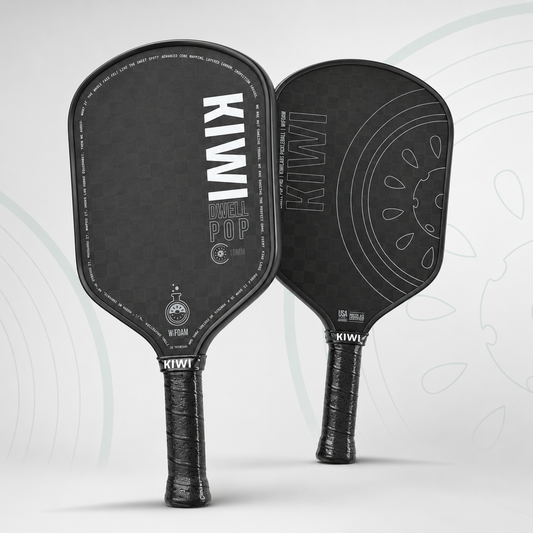
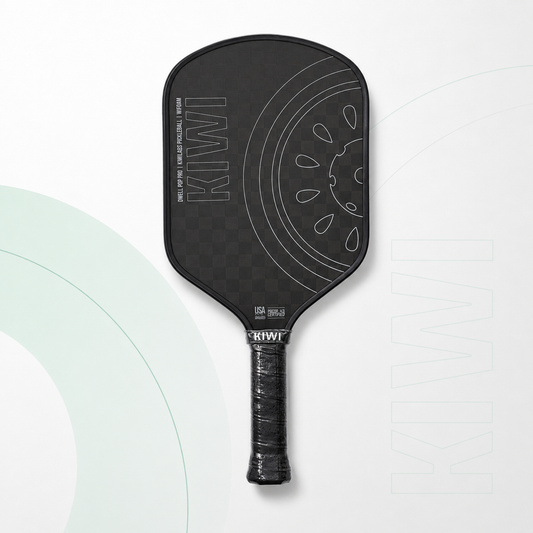
This is where modern paddle design matters. Better materials, better face textures, and more thoughtful core construction can give players real performance advantages without forcing them into overpriced badge buying. Brands like Kiwi Labs Pickleball have pushed this category forward by focusing on spin, sweet spot size, and all-court usability instead of charging a premium for hype.
The real goal: keep your strengths, lose the extra motion
A good pickleball paddle should not erase your tennis background. It should refine it. You want your topspin instincts, your ability to read pace, and your comfort attacking the ball to carry over. You just want them packaged in a paddle that helps you swing smaller, react faster, and control more points at the kitchen.
If a paddle helps your drives dip, your drops settle, and your counters feel clean instead of chaotic, you’re on the right track. Former tennis players usually improve fastest when they stop shopping for the biggest number and start choosing for balance, spin, and forgiveness. The right paddle does not just feel familiar. It helps your game become more complete.