


Is It Time for a Competitive Paddle Upgrade?

A missed reset that floats high, a drive that dies short, a dink that feels unpredictable - those are the moments that make players consider a competitive paddle upgrade. But a newer, pricier paddle is not automatically the answer. The right upgrade should give your existing game a clearer advantage: more reliable touch, heavier spin, better put-away power, or a larger margin for error when the point speeds up.
The goal is not to buy the paddle with the loudest claims. It is to match modern paddle construction to the shots you are ready to hit more consistently.
What a Competitive Paddle Upgrade Should Change
A true upgrade is not about replacing a paddle because the paint looks tired. It should improve the feedback you get at contact and expand what you can do under pressure. For many advancing players, that means a sweet spot that stays stable outside the center, a face that grips the ball for spin, and enough pop to finish a high ball without taking a full swing.
If you are moving from an entry-level fiberglass paddle, the difference can be immediate. Carbon fiber faces tend to offer a more connected, controlled feel, particularly on drops, dinks, and resets. A textured raw carbon surface can also help you shape serves, roll volleys, and passing shots with more intention.
For players already using a decent carbon paddle, the gains are usually more specific. You may be looking for faster hands at the kitchen, a more forgiving perimeter, greater dwell time for touch, or a firmer response that turns defensive blocks into offensive counters. That is where construction matters far more than a logo or a price tag.
Signs You Have Outgrown Your Current Paddle
You do not need to be a tournament regular to benefit from better equipment. You do need a clear reason to change. If your paddle feels inconsistent on off-center contact, lacks enough spin to keep aggressive drives dipping, or makes soft shots feel overly bouncy, it may be limiting your development.
Another strong signal is that you are changing your technique to manage the paddle. Maybe you baby a return because the face feels too hot. Maybe you overswing on overheads because there is no finish power. Maybe you avoid hand battles because your paddle feels slow or unstable. An upgrade should let you play your preferred style with less compensation.
Wear is also real. Surface grit can fade, edge guards can loosen, and cores can lose their original response over time. Still, do not blame every rough session on your gear. Better paddles help, but they do not replace footwork, shot selection, or the patience to hit one more quality dink.
Choose Feel Before You Choose Hype
Competitive paddles tend to fall along a spectrum from control-focused to power-focused, with all-court options in the middle. Neither end is universally better. The best choice depends on where you create points and where you give them away.
Control and dwell time
A control-oriented paddle gives the ball a fraction more time on the face. Players often describe this as pocketing or dwell time. It can make drops easier to shape, resets less likely to pop up, and kitchen exchanges more predictable. A softer feel is especially valuable for players who already generate their own pace and want cleaner placement.
The trade-off is that a very plush paddle may not provide effortless put-away power. You can still hit hard, but you may need to supply more acceleration. This is a smart compromise for players whose biggest opportunity is reducing unforced errors rather than adding speed.
Pop and finishing power
Pop is the quick rebound you feel on compact swings. It matters when you are countering a hard drive, attacking a speed-up, or punching a volley through a narrow opening. Thermoformed paddles and models with perimeter reinforcement often deliver a firmer, more explosive response while maintaining useful stability.
More pop can be a weapon, but it asks for better touch. If your dinks already sail long or your resets sit up under pressure, an ultra-lively paddle can exaggerate the problem. Power works best when you can control the face angle and trust your soft-game mechanics.
The all-court middle ground
Most improving players benefit from an all-court paddle that blends spin, control, and accessible power. It should feel stable enough for blocks, maneuverable enough for quick hands, and responsive enough to attack a ball that sits up. This category is not a compromise in the weak sense. It is often the most competitive choice for players who face different styles every week.
Construction Details That Actually Matter
Marketing language can make every paddle sound revolutionary. Focus on the features that show up in your hands during a match.
A raw carbon fiber face is a strong starting point for players seeking spin and a connected feel. It gives the ball texture to work with while supporting the controlled swings required for drops and resets. The face alone is not the entire story, but it is a meaningful leap from smooth, basic surfaces.
Core thickness changes feel as well. Thicker cores, often around 16 mm, generally provide more control, vibration dampening, and forgiveness. They suit players who value consistency at the kitchen and want help absorbing pace. Thinner cores can feel quicker and more powerful, appealing to aggressive players who want a sharper response and faster hand battles.
Thermoformed construction uses heat and pressure to bond the paddle's components, frequently with foam around the perimeter. Done well, it can increase stability, expand the effective sweet spot, and add power without making the paddle feel clumsy. Full-foam designs take a different route, using foam more extensively to create a distinctive combination of dwell, stability, and energetic rebound.
Shape matters, too. Standard or hybrid shapes usually offer a broad, forgiving hitting area and fast handling. Elongated paddles can add reach and leverage on serves and drives, but they may have a narrower sweet spot and slightly slower hands at the net. If you play a patient doubles game built around counters and resets, a forgiving hybrid shape is often the smarter first upgrade.
Match the Paddle to Your Game, Not Your Partner's
The player beside you may love a heavy, powerful elongated paddle. That does not mean it fits your game. Start with the shots that decide your points.
If you struggle to keep third-shot drops low, prioritize control, a thicker core, and a stable face. If opponents camp on your soft shots because they do not respect your attack, look for more pop without abandoning spin. If you are regularly late in firefights, consider a more maneuverable shape or a swing weight that feels easier to accelerate.
Weight deserves honest attention. A paddle around the midweight range can offer a useful balance of stability and hand speed. Going heavier may help absorb pace and add plow-through on drives, yet it can fatigue your arm or slow reaction time. Going lighter can improve maneuverability, though it may feel less solid against hard hitters. There is no perfect number, only a weight that supports your mechanics and keeps your arm comfortable over multiple games.
Grip size is another overlooked fit issue. A grip that is too large can make quick wrist adjustments harder, while a smaller grip can allow more hand action and can be built up with an overgrip. Comfort and confidence matter here. A paddle cannot perform at its best if you are gripping it too tightly to feel secure.
Get More From the Upgrade You Buy
A competitive paddle upgrade delivers its biggest payoff when you spend time learning its response. Give yourself several sessions before making a final judgment. Begin with dinks and resets, then move to serves, returns, drives, and hand battles. Notice whether balls are leaving the face higher, lower, faster, or with more spin than your previous paddle.
Use that feedback to make small adjustments. A paddle with more pop may require a quieter block. A paddle with more dwell may reward a more committed swing on put-aways. The equipment should support your skill growth, but you still need to calibrate your touch.
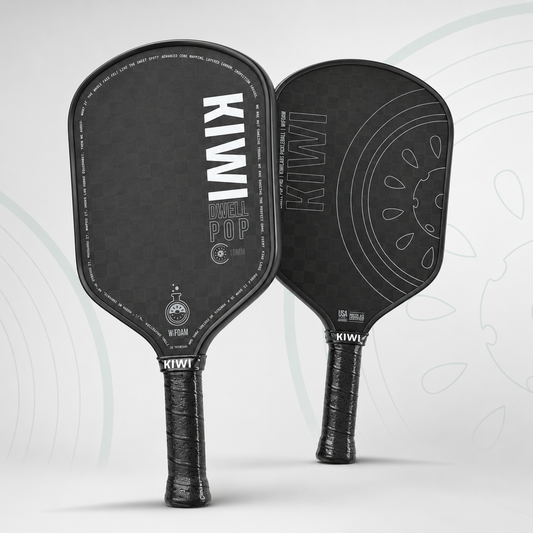
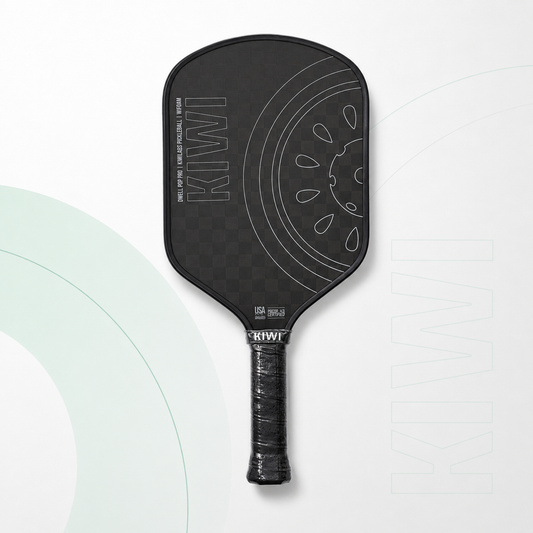
Kiwi Labs Pickleball builds its lineup around that practical reality: advanced carbon materials, modern construction, and performance choices that help players find the right balance without paying inflated legacy-brand prices.
The best time to upgrade is not when someone tells you that you need the latest release. It is when your current paddle stops supporting the player you are becoming. Choose the feel that fixes your most common misses, then put it through real games until that new confidence becomes part of your game.