
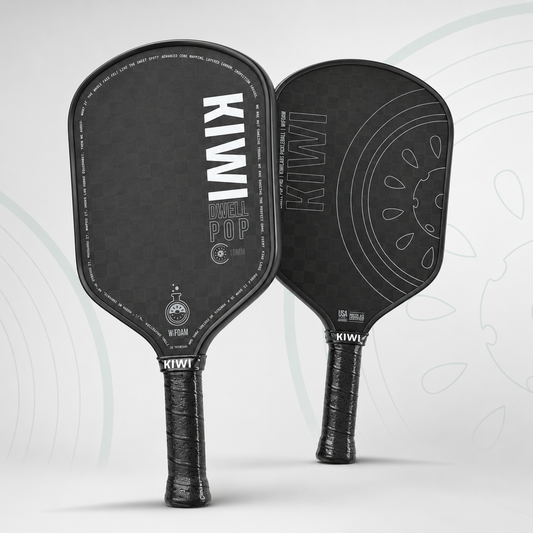
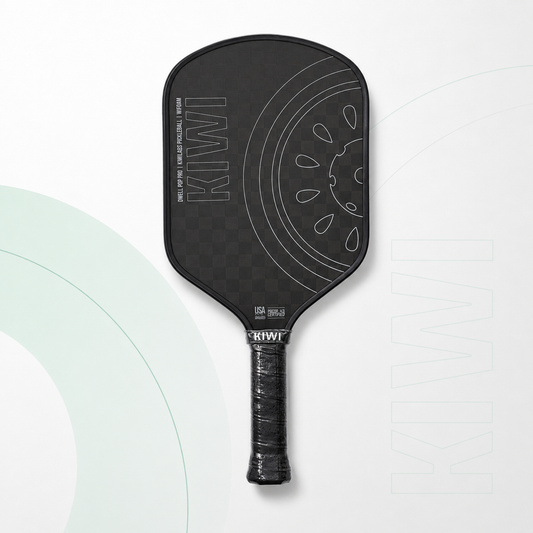


Does Thicker Core Add Control in Pickleball?

A 16mm paddle will not magically turn every dink into a winner. But when players ask, “does thicker core add control,” they are asking the right question. Core thickness changes how a paddle absorbs pace, holds the ball, and responds when contact is less than perfect. Those are the details that decide whether your reset dies in the kitchen or sits up for an attack.
The short answer: usually, yes. A thicker core generally produces a softer, more stable, more forgiving feel that helps control-oriented shots. But thickness is only one part of the build. Face material, thermoforming, foam, shape, swing weight, and your own mechanics can all change the final result.
Does Thicker Core Add Control? Usually, Here’s Why
Most performance pickleball paddles fall around 13mm to 16mm thick. That small measurement sounds minor until you hit a hard drive, block a fast hands battle, or try to drop a third shot from deep in the court.
A thicker core has more material between the paddle face and your hand. On contact, it tends to compress and disperse incoming energy more gradually than a thinner core. Players often experience that as a plusher impact, a little more dwell time, and less trampoline effect. Instead of the ball firing off the face immediately, you get a more muted response that makes it easier to manage pace.
That matters most at the kitchen. When an opponent speeds up into your body, a thicker paddle can make a defensive block feel less frantic. When you are absorbing a drive for a reset, it can reduce the tendency to overhit. On soft dinks, the added forgiveness can make the paddle feel more predictable, especially when you catch the ball slightly toward the edge.
Thicker cores also commonly support a larger, more stable sweet spot. A larger sweet spot does not mean every part of the face plays exactly the same, but it does mean mishits are less punishing. For recreational players building consistency and competitive players facing heavier pace, that is real control, not a spec-sheet gimmick.
The Trade-Off: Control Often Comes With Less Free Pop
A thicker core is designed to absorb and manage energy. A thinner core is more likely to return it quickly. That is why many 13mm and 14mm paddles feel livelier, quicker, and more explosive on counters and put-aways.
If your game depends on punching speed-ups through a tight window or creating easy depth with a compact swing, a thin paddle may feel more natural. It can provide more immediate pop, particularly on crisp contact. The trade-off is that the same lively response can make soft shots harder to calibrate. A ball that lands perfectly on a 16mm face may jump long off a thinner, hotter build until you adjust your touch.
This is not a clean divide between “thin equals power” and “thick equals control.” Skilled players can generate serious pace with a 16mm paddle through timing, acceleration, and clean technique. Likewise, a player with soft hands can use a 13mm paddle effectively around the kitchen. The difference is how much help the construction gives you when the point gets fast or contact gets messy.
Why Dwell Time Gets So Much Attention
Dwell time describes the sensation of the ball staying on the face for a fraction longer. In real play, you will not feel the ball linger in slow motion. You may, however, feel that you can shape a dink, roll a drop, or add topspin with more confidence.
A thicker core can contribute to that connected feel, but it is not the only factor. A raw carbon fiber face creates friction for spin. A foam-injected or full-foam perimeter can improve stability and expand the usable hitting area. Thermoformed construction can stiffen the paddle and add power. Put those elements together differently, and two 16mm paddles can play dramatically differently.
That is why thickness should be a starting point, not the entire shopping decision.
What a Thicker Core Helps Most on Court
The clearest benefit shows up when you need to take energy off the ball. Resets are the obvious example. A thicker, control-focused paddle lets you soften incoming pace and guide the ball back into the non-volley zone rather than reflexively punching it upward.
It also helps with dinks. Consistent dinking is less about making the ball soft once and more about repeating the same height, depth, and shape over a long exchange. A paddle with a muted, forgiving response gives you a bigger margin when your contact point varies slightly.
Third-shot drops are another strong case. A thicker paddle can make it easier to use a smooth, controlled swing without worrying that the ball will launch too high. Players who are moving from drives-only pickleball toward a more complete transition game often appreciate this immediately.
Finally, thicker cores can help on returns and blocks because they tend to feel stable. Stability matters when you are late, stretched wide, or dealing with an opponent who hits hard. You still need sound positioning, but the paddle is less likely to feel twitchy in your hand.
When a Thinner Core May Be the Better Choice
Do not buy 16mm just because “control” appears beside it in product copy. Your best paddle should match the shots you hit most and the problems you are trying to solve.
A thinner core can be a smart fit if you have reliable soft-game mechanics but want more finishing power. Aggressive doubles players who love fast hand exchanges may prefer the quick response of a 13mm or 14mm paddle. Singles players may also value the easier depth and pace available from a livelier face, particularly when serving and driving from the baseline.
Some players simply dislike a plush paddle. They want a direct, crisp feel that tells them exactly where they contacted the ball. That preference is valid. Control is not only about reducing pop. It is also about trusting the feedback you get from the paddle.
Consider Weight and Swing Weight Too
Two paddles can share a 16mm core and still offer completely different control. A head-heavy paddle may feel powerful and stable through the ball, but it can be slower to maneuver during quick exchanges. A more balanced paddle may be easier to reset with at the kitchen because you can get the face in position sooner.
Static weight matters, but swing weight tells more of the story about how heavy a paddle feels while moving. If you are prone to wrist or elbow fatigue, do not assume a thicker core is automatically more comfortable. Look for a build that balances stability with maneuverability.
How Construction Changes the Thicker-Core Feel
Core thickness works alongside the rest of the paddle, not apart from it. A standard polypropylene honeycomb core can create a familiar, controlled response. Add perimeter foam, and the paddle may feel more solid on off-center contact. Add thermoforming, and you may get a firmer, more powerful hit than you expected from a 16mm profile.
Full-foam designs add another variable. Depending on the engineering, they can blend a large sweet spot with a distinct mix of dwell, stability, and pop. Carbon fiber faces further affect the result by improving grip on the ball for spin. That spin can support control because a topspin drop or roll volley has more margin to dip back into the court.
At Kiwi Labs Pickleball, that is the standard worth looking for: modern construction that gives players usable performance, not a premium price tag attached to one isolated spec.
Choose Thickness Based on Your Actual Misses
If your resets float, your dinks run deep, or hard drives make you feel rushed, start by looking at a thicker paddle. A 16mm profile is often the safer bet for players who want calm, consistent touch and a forgiving sweet spot.
If you already control the soft game but struggle to put balls away, consider a 14mm or 13mm option. You may gain the direct pop and faster response you are missing. Players who want an all-court middle ground often land on 14mm, although the face and construction still matter more than the number alone.
The best test is simple: think about the shot that breaks down most often in competitive games. If it is the reset, drop, dink, or defensive block, thicker is likely worth your attention. If it is the counterattack or finishing ball, a thinner, livelier paddle may earn its place.
A paddle should not force you to play scared of your own contact. Choose the thickness that gives your most common pressure shot a little more margin, then let your technique do the rest.