
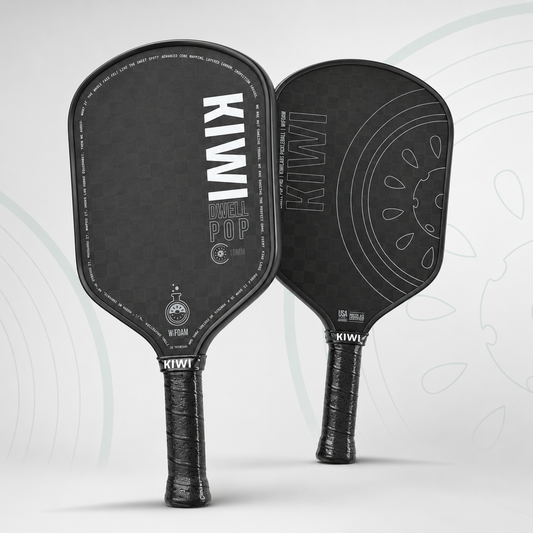
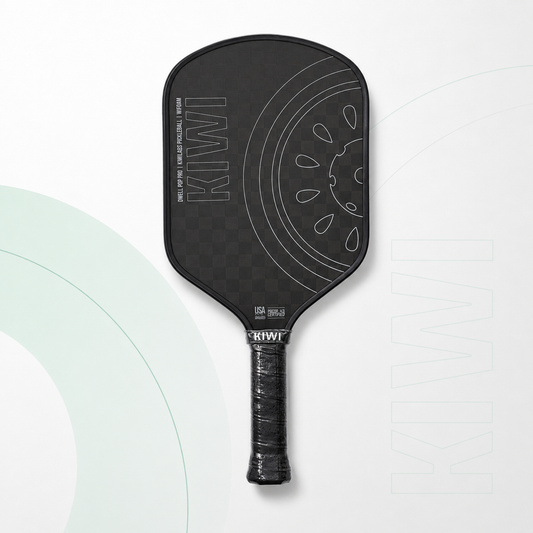


How to Clean Paddle Face Without Killing Spin

A paddle can feel strangely dead long before its core wears out. If your cuts are not biting, your serves are sliding, or the face looks glossy in the usual contact spots, built-up pickleball residue may be the culprit. Knowing how to clean paddle face correctly helps preserve the texture that creates spin - without scrubbing away the very surface you paid for.
The rule is simple: clean the residue, not the paddle material. Raw carbon fiber faces, especially, are engineered with a textured surface that grabs the ball. Aggressive cleaners and abrasives can make that surface smoother over time. A quick, dry cleaning routine is usually all it takes to keep your paddle performing like it should.
Why your paddle face gets dirty
Pickleballs leave behind more than a scuff mark. Repeated contact transfers tiny bits of ball material, dust, oils from your hands, and court grime onto the face. Over a few sessions, that buildup can fill in the microscopic texture on a raw carbon paddle.
It is most noticeable around the center of the face and the upper third, where players contact serves, drives, and overheads. The paddle may look shiny or feel slightly slick compared with a clean area near the edge. That does not always mean the face has worn out. Often, it means it needs a proper cleaning.
This matters most for players who rely on heavy topspin serves, dipping thirds, sharp rolls, and aggressive cut dinks. Spin comes from swing path and technique first, but a clean, textured face gives your mechanics more to work with.
What to use to clean a pickleball paddle face
For most raw carbon fiber paddles, the safest tool is a purpose-made pickleball paddle eraser. These are firm rubber blocks designed to lift ball residue without soaking the surface or using harsh chemicals. A clean, dry microfiber cloth is also useful for wiping away loose dust before and after you use the eraser.
If you do not have a paddle eraser, start with the microfiber cloth alone. It will not remove stubborn residue as effectively, but it is a safe temporary option. Do not substitute whatever happens to be in the garage or kitchen. Materials that seem harmless can create a real performance trade-off on a textured face.
Avoid using the following on your paddle face:
- Water, dish soap, or spray cleaners
- Rubbing alcohol, acetone, and household solvents
- Magic Erasers or other abrasive foam pads
- Sandpaper, wire brushes, or rough towels
- Sticky tape used to pull off dirt
How to clean paddle face in 3 minutes
Start with a dry paddle at room temperature. If you just played in damp conditions or your paddle is sweaty, let it air-dry indoors first. Cleaning a wet face can turn dust into a smear and makes it harder to tell whether the residue is actually gone.
1. Remove loose dust
Wipe the entire playing surface with a clean, dry microfiber cloth. Use light pressure and move from the edge toward the center. This step gets rid of loose grit that could drag across the face while you clean the more stubborn marks.
Check the face under good light. Ball residue usually appears as gray, white, or slightly glossy patches. On a dark raw carbon surface, the contrast is often easy to see.
2. Use a paddle eraser with light pressure
Hold the paddle securely by the handle. Rub the eraser over the dirty area using short, gentle strokes. You do not need to attack it. Let the rubber lift the residue gradually, and work in small sections rather than scrubbing the whole face aggressively.
Use straight strokes or small circles, whichever removes buildup with less effort. Brush away the eraser crumbs with your microfiber cloth as you go. If a mark does not disappear after a few light passes, resist the temptation to press harder. It may be a cosmetic scuff rather than removable ball residue.
3. Wipe, inspect, and stop when it is clean
Give the face one final wipe with the microfiber cloth. The goal is an even-looking surface with no visible film in the main contact zones. You are not trying to make the paddle look factory-new after every session. You are trying to keep the texture clear and ready to create spin.
Once the residue is gone, stop. Overcleaning is still unnecessary friction on the surface, even when you are using the right tool.
How often should you clean your paddle?
For most recreational players, cleaning the face every one to two weeks is plenty. If you play three or more times per week, compete regularly, or use a lot of topspin and slice, inspect it after every few sessions and clean it when you see buildup.
There is no prize for cleaning on a rigid schedule. Let the face tell you what it needs. A visible film, a slick-feeling center section, or a noticeable drop in the bite of your shots are better signals than the calendar.
Court conditions matter, too. Outdoor play on dusty courts creates more grime than a clean indoor facility. Cold-weather balls can also leave different residue than warm-weather balls. Players who practice serve drills or hit hundreds of drives in a session will typically need to clean more often than someone playing two casual games on Saturday morning.
Raw carbon, painted, and fiberglass faces are not identical
Raw carbon fiber paddles deserve the most cautious approach because their natural or applied texture is a major part of their spin profile. For a raw carbon face, dry microfiber plus a paddle eraser is the smart default.
Some painted, composite, or fiberglass faces may have different finish requirements. A soft dry cloth is broadly safe, but always follow the care guidance from the paddle manufacturer before using an eraser or any cleaner. Not every surface is built the same, and a method that works beautifully on one paddle can be wrong for another.
The same goes for paddles with surface graphics, peel-ply texture, or special coatings. Material transparency matters here. You should know whether your paddle's spin comes from exposed carbon texture, a textured coating, or another surface treatment before choosing a cleaning method.
Do not confuse residue with normal wear
A clean paddle will not reverse true surface wear. Over time, repeated ball contact can gradually reduce texture, particularly in the sweet spot. If the face remains smooth, glossy, or less responsive after a careful dry clean, that may be normal wear rather than dirt.
Also inspect the edge guard, handle, and face for cracks, delamination, soft spots, or rattling. Cleaning fixes residue. It does not fix structural damage. If your paddle sounds different, feels unusually soft, or has a visible crack, stop treating it as a maintenance issue and assess whether it is still safe and legal to play with.
That distinction saves players from wasting money on gimmick cleaners. No spray can restore a worn paddle face to its original texture. Great paddle value means getting real performance from the materials you have, then replacing gear only when its useful life is genuinely over.
Small habits that keep the face cleaner longer
Store your paddle in a cover or bag rather than leaving it face-up on a dusty court bench. Keep it out of a hot car, too. Extreme heat can affect more than the face - it can stress adhesives and core materials.
Try not to rest the paddle face against fences, gritty concrete, or loose balls between points. And when you clean it, use a dedicated microfiber cloth that has not been used for sunscreen, food spills, or household cleaners. Oils transfer easily and defeat the purpose of the routine.
A high-performance paddle is not supposed to be precious. It is supposed to be played hard. Give the face a quick inspection, remove residue with the right dry tools, and let your next roll volley, topspin serve, or dipping drive show you the difference.