


Is Carbon Fiber Worth It for Pickleball?

You feel it almost immediately when you switch paddles. One paddle launches the ball with a little too much bounce. Another feels dead on resets. Then you pick up a carbon fiber face and suddenly the ball seems to stay on the paddle just a fraction longer. That is why players keep asking, is carbon fiber worth it? In pickleball, the honest answer is yes - but only if you care about the kind of performance carbon fiber actually improves.
This is not one of those gear questions with a clean, universal answer. Carbon fiber is not magic. It will not fix bad footwork or turn a beginner into a 4.5 overnight. But it can absolutely change how a paddle feels, how consistently you shape the ball, and how much confidence you have on soft shots and aggressive swings.
Is carbon fiber worth it in a pickleball paddle?
For most improving players, carbon fiber is worth it because it tends to deliver better spin potential, a more controlled feel, and more consistent response than cheaper fiberglass or composite faces. That matters in real points. Better touch on drops, more bite on serves, cleaner resets, and more confidence when you speed up from the kitchen all come from how the paddle face interacts with the ball.
Where people get tripped up is assuming all carbon fiber paddles play the same. They do not. A raw carbon face on a thermoformed paddle with foam in the walls is a very different animal from a basic carbon fiber paddle with a standard polymer core. Material matters, but construction matters just as much.
So if the real question is whether carbon fiber is worth paying more for, the better answer is this: carbon fiber is worth it when the full paddle is built to take advantage of it.
What carbon fiber actually changes on court
The biggest reason players move to carbon fiber is feel. Compared with many fiberglass-faced paddles, carbon fiber often plays more controlled and less trampoline-like. That can be a huge upgrade if you are missing long on drives, struggling to keep resets low, or fighting inconsistency in the transition zone.
Spin is the next big factor. Raw carbon fiber surfaces are popular for a reason. They tend to grip the ball better, which helps on topspin drives, cut serves, dipping passes, and rolling volleys. That does not mean the face does all the work. Technique still matters. But when your swing path is solid, a carbon fiber surface can help you get more shape and more margin.
There is also a confidence factor that is harder to measure but easy to notice. Many players simply trust a good carbon fiber paddle more. You feel like you can swing out without losing control. You feel like your soft game has a little more predictability. That trust changes how you play.
When carbon fiber is absolutely worth it
If you are an intermediate player trying to level up, carbon fiber usually makes sense. This is the group that benefits most because small improvements in feel and consistency actually show up in matches. You are probably working on third shot drops, more aggressive topspin, better resets, and smarter counters. Carbon fiber supports those goals well.
It is also worth it for players who value control over pure pop. A lot of recreational players buy the hottest paddle they can find, then wonder why their touch game disappears. Carbon fiber often gives you a more balanced response, especially when paired with a thicker core or all-court construction.
And if you play often, the investment gets easier to justify. Spending more on a paddle that helps your game twice a week is one thing. Spending more on a paddle you use four or five times a week for months is another. The more you play, the more that better feel and better feedback matter.
When carbon fiber might not be worth it
If you are brand new to pickleball, carbon fiber may be nice to have, but it is not essential. A beginner can improve a lot with a more affordable paddle, especially if they are still learning basic positioning, contact point, and shot selection. At that stage, grip size, paddle weight, and general comfort may matter more than advanced face material.
It also may not be worth it if you prefer a very lively, easy-power feel. Fiberglass paddles often have more pop right away and can feel more forgiving for players who generate shorter swings. Some players genuinely like that response. There is no trophy for choosing the more technical material if it does not fit your game.
The other scenario is simple: overpriced carbon fiber. This is where a lot of players get burned. Carbon fiber is a premium material, but some brands charge premium-plus prices just because the words sound advanced. If the paddle is expensive but the construction, sweet spot, stability, and overall performance do not match the price, then no, carbon fiber is not worth it.
Carbon fiber vs fiberglass: the real trade-off
This comparison matters more than the carbon fiber label by itself. Fiberglass faces usually feel livelier and can generate easy put-away power. Carbon fiber faces usually feel more controlled and spin-friendly. Neither is automatically better. It depends on what you need help with.
If your game is built around speed-ups, counters, and big drives, you might want a paddle that still gives you some pop alongside the carbon face. If you lose points on overhits, floaty resets, or inconsistent drops, carbon fiber is often the smarter move.
That is why the best modern paddles are not just selling material. They are tuning the entire build around a style of play. Thickness, core density, thermoforming, foam edge walls, balance point, and face texture all shape the final result.
Why raw carbon gets so much attention
Raw carbon is not just marketing language. In many paddles, it creates a grittier, more connected feel that players notice on spin shots and touch shots. That extra bite can be especially useful for players trying to add shape to the ball instead of just hitting flat.
But again, raw carbon is not a cheat code. A poorly designed raw carbon paddle can still have a weak sweet spot or awkward balance. The face helps, but it cannot save a bad build.
Price is where the debate gets real
For most shoppers, the question is not really is carbon fiber worth it. It is whether the performance gain is worth the extra money.
That is fair. The pickleball market is full of paddles priced like luxury items. Some are excellent. Some are just expensive. If a carbon fiber paddle gives you better spin, better control, better feel, and a larger sweet spot, paying more can be justified. If the price jumps but the actual on-court difference is small, it is harder to defend.
This is where value-focused brands have changed the conversation. Players no longer have to accept the idea that top materials should automatically come with inflated pricing. You can get advanced carbon fiber construction, modern paddle tech, and high-level playability without paying for logo tax.
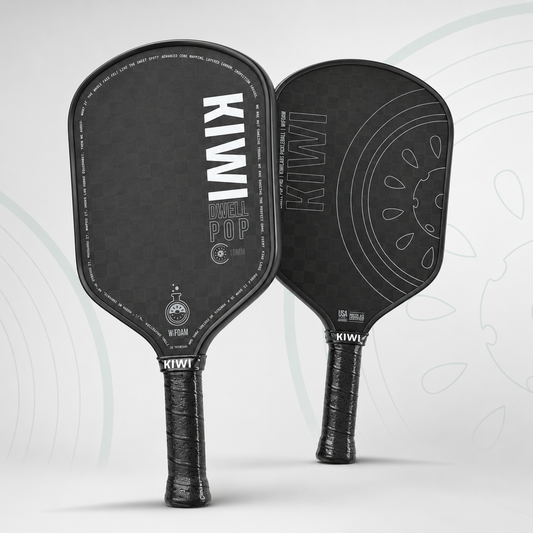
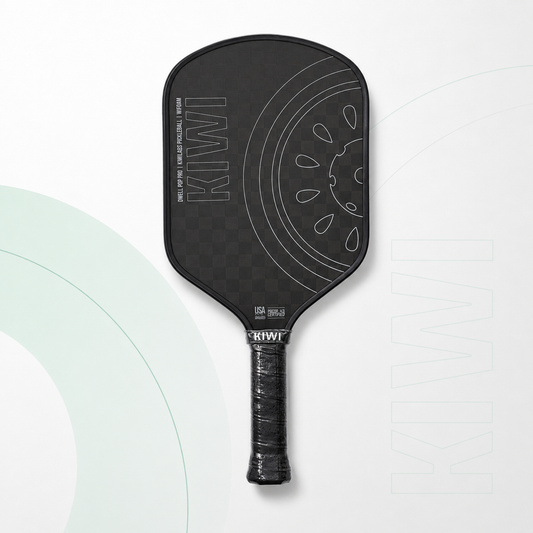
That is one reason Kiwi Labs has earned attention from serious players who want performance and transparency, not hype. The smart buy is not the cheapest paddle. It is the paddle that delivers the most usable performance for the price.
Who should upgrade now
If you already know what you want your paddle to do better, you are probably ready. Maybe you want more spin on serves. Maybe you want a calmer face on resets. Maybe you want an all-court paddle that does not force you to choose between touch and put-away power. Those are real reasons to move into carbon fiber.
If you are still saying, I just want something better, take a second before spending more. Think about the shots that break down in your game. A paddle should solve a problem, not just sound advanced.
Questions to ask before you buy
Ask yourself whether you need more control or more pop, whether you generate your own power, and whether spin is actually part of your game. Also ask how often you play. A serious weekend player and a once-a-month casual player do not need to shop the same way.
And pay attention to the full spec sheet, not just the headline material. Carbon fiber face, yes. But also look at core thickness, paddle shape, weighting, sweet spot design, and whether the paddle is built for control, power, or all-court balance.
So, is carbon fiber worth it?
For a lot of pickleball players, yes. Not because it sounds premium, but because it can deliver real advantages in spin, control, feel, and consistency when the paddle is designed well. That is especially true for players who are improving fast and want gear that helps them play with more intention.
The mistake is treating carbon fiber like an automatic win. The right carbon fiber paddle can absolutely elevate your game. The wrong one is just a more expensive mistake. Buy for performance, not buzzwords, and your paddle will start feeling less like a purchase and more like a tool that actually earns its spot in your bag.