
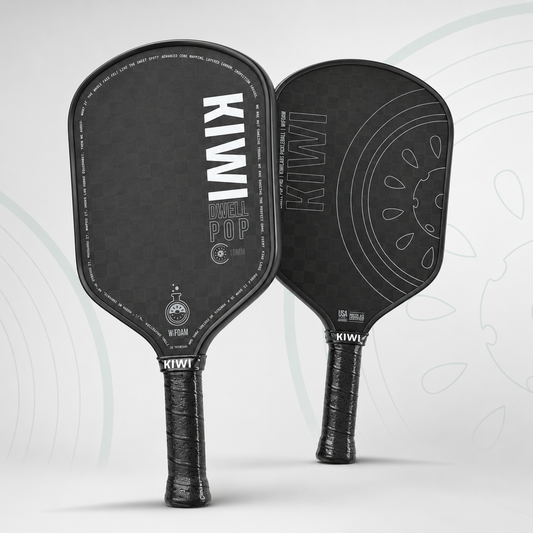
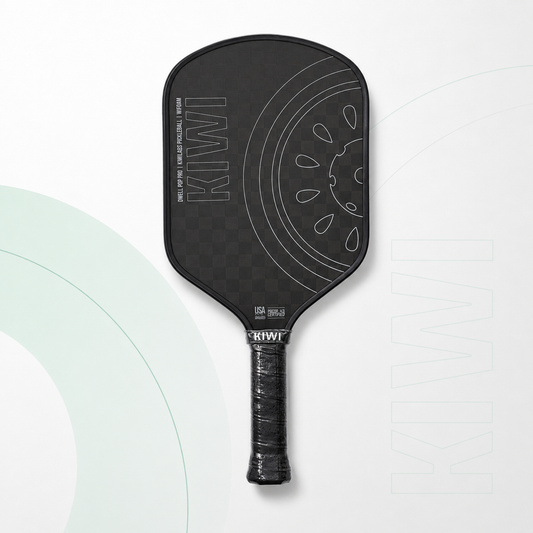


Next Generation Carbon Paddles That Perform

A carbon face alone does not make a paddle better. The real shift in next generation carbon paddles is how the face, core, edge construction, and shape are engineered to work together. For players, that can mean a reset that stays low instead of floating, a serve with more depth without overswinging, and a sweet spot that does not disappear when the ball catches near the edge.
That is the standard worth shopping for. Ignore the inflated price tag and vague claims about “pro-level” performance. Look at the construction choices behind the paddle, then match them to the shots you want to improve.
What Makes Next Generation Carbon Paddles Different?
Early carbon paddles helped establish what players liked about the material: a crisp, stable feel and a surface that could grip the ball for heavy spin. But carbon fiber has become a baseline feature, not a complete performance story. Two paddles can both say raw carbon and play nothing alike.
The difference is in the full build. Modern designs pair carbon faces with thermoformed perimeters, injected foam, foam cores, optimized layups, and more intentional weight distribution. Each change affects how long the ball stays on the face, how much the paddle resists twisting, and how easily it produces pace.
A well-designed paddle does not need to feel hard or uncontrollable to be powerful. It can have a responsive face for counters while still giving you enough dwell time to shape dinks, drops, and third-shot resets. That blend is where current paddle development is moving.
Raw Carbon Is About More Than Marketing
Raw carbon fiber is valued for its naturally textured surface. That texture helps the ball grab the face during a topspin roll, slice return, or dipping drive. The best results come from a surface that creates reliable friction while the paddle’s overall construction keeps the contact point predictable.
Spin is not a substitute for technique, and no paddle will turn a flat swing into an advanced roll volley overnight. Still, a quality carbon surface gives players more margin. When you brush up the back of the ball, you should see the ball dip. When you carve a return, it should stay low and make the opponent hit up.
The trade-off is feel. Some carbon face and core combinations feel plush and connected; others feel firmer and more direct. Neither is automatically superior. Players who live at the kitchen may prefer extra touch, while aggressive counterpunchers may want a quicker, crisper response.
The Construction Changes That Matter Most
Thermoforming Builds Stability and Pop
Thermoformed paddles use heat and pressure to bond the face and perimeter structure into a more unified build. In practical terms, that can improve torsional stability, especially on off-center contact. A paddle that stays more stable in your hand is easier to trust when a fast ball jams your body or catches toward the upper corner.
Thermoforming can also add pop. That is useful on drives, put-aways, overheads, and hand battles. But more pop is not always the answer. If a paddle rebounds the ball too eagerly, soft drops and kitchen resets may require a lighter touch and cleaner mechanics.
The right question is not, “Does it have power?” It is, “Can I access that power without losing my confidence in the soft game?” The best all-court designs provide enough pace when you accelerate, then settle down when you soften your hands.
Foam Is Now a Performance Tool
Foam used to be treated as simple edge protection. Newer paddles use it more strategically, whether around the perimeter, injected into the core, or built into a full-foam construction. Foam can expand the usable hitting area, reduce vibration, improve stability, and alter rebound behavior.
Perimeter foam is especially relevant for players who do not strike every ball dead center, which is all of us under pressure. A larger, more forgiving sweet spot makes blocks, defensive flicks, and stretched-out counters less punishing. You may not notice it on an easy warmup ball. You notice it when a hard drive clips the edge and still lands with purpose.
Full-foam paddles bring a different feel profile. They can offer exceptional consistency and a dampened, controlled response, though the exact result depends on the foam density and face layup. Some players love the connected feel on dinks and resets. Others prefer a more explosive core for finishing points. Your preferred pace and touch matter more than any one construction label.
Core Design Changes the Ball’s Exit
Core thickness and cell structure shape the way a paddle responds. A thicker core often gives players more control and a softer, more forgiving feel. A thinner core can feel faster and more lively, which may suit players who prioritize hand speed and punchy attacks.
That does not mean thicker always equals control or thinner always equals power. Face stiffness, foam, and weight all influence the result. Think of core thickness as one major lever, not the only lever.
For many improving players, a control-oriented core paired with a spin-friendly carbon face is a smart foundation. It supports high-percentage drops, better resets, and more consistent placement while leaving enough offensive potential for drives and counters.
Sweet Spot Size Is a Real Advantage
A large sweet spot is not glamorous marketing. It is one of the clearest ways a paddle can make your game more reliable.
When contact wanders toward the heel, throat, or edge, a stable paddle loses less energy and twists less in your hand. That helps your return of serve stay deep. It helps your defensive block reach the kitchen instead of sitting up. It helps you swing with more conviction because you are not trying to guide every ball toward one tiny center zone.
Elongated paddles can offer extra reach and leverage on serves, overheads, and passing shots. Standard or hybrid shapes often provide a wider, easier sweet spot and faster maneuverability at the kitchen. Neither shape wins every matchup. A player who attacks from the baseline may value reach, while a doubles player locked into rapid hand exchanges may favor a quicker, more balanced profile.
How to Choose Your Carbon Paddle Profile
Start with the shot that breaks down most often. If your resets fly long and your dinks feel inconsistent, prioritize a forgiving sweet spot, controlled response, and enough dwell time to feel the ball. If you are winning soft exchanges but lack finishing power, a thermoformed or more responsive build may give your drives and counters more authority.
Also consider swing weight, not just static weight. Two paddles can weigh the same on a scale, yet one can feel slower because more of its mass sits toward the head. Head-heavy balance can add plow-through and depth. A more balanced setup can make quick exchanges and hand transitions easier.
Do not buy based on one specification in isolation. A raw carbon face, 16 mm core, and thermoformed frame might sound ideal, but the final feel still depends on the complete design. That is why player feedback matters, especially feedback from people with a similar style and skill level.
At Kiwi Labs Pickleball, the goal is not to make players pay more for a trendy material name. It is to put useful technology where it belongs: in paddles that deliver spin, stability, control, and pop at a price that makes sense.
Get the Most From a Better Paddle
A performance paddle gives you more potential, but it works best when your technique meets it halfway. Use the extra spin to shape a higher-margin third-shot drop rather than forcing a perfect line. Let the larger sweet spot encourage a compact block instead of a panic swing. On drives, accelerate through the ball and let the face create the rotation instead of trying to muscle it flat.
Give any new paddle a few sessions before judging it. The first ten minutes often reveal only the change in sound and feel. Play dinks, drops, returns, counters, and serve-plus-one patterns before deciding whether a paddle truly fits your game.
The right next-generation paddle should make your good decisions more dangerous and your imperfect contacts less costly. Choose the build that supports the player you are becoming, then spend the saved effort where it matters most: hitting one more quality ball.