


When to Replace a Paddle: 7 Signs It’s Time

A paddle rarely fails in one dramatic moment. More often, your drives start landing short, your drops feel jumpy, and the spin you used to trust stops bending the ball the same way. If you are searching when replace paddle, the answer is usually not a calendar date. It is the moment your paddle can no longer deliver the feel, consistency, and confidence your game requires.
Premium paddles are built to take serious use, but pickleball is demanding. Repeated impacts compress the core, wear down the face texture, loosen edge guards, and expose weaknesses that may not be obvious at first glance. Knowing what to look for helps you replace a paddle at the right time - before worn equipment starts disguising itself as a slump in your game.
When to replace a paddle: start with performance
The clearest sign is a change you can feel on court. A paddle that once gave you reliable depth may suddenly require extra swing effort. Resets that used to sit softly in the kitchen may pop up. Your third-shot drops may feel less predictable, even when your mechanics have not changed.
That does not automatically mean the paddle is finished. A few off sessions can come from fatigue, new balls, cold weather, or changes in your timing. But when the same problem persists across multiple games and conditions, your paddle deserves a closer look.
A useful test is to borrow a teammate's paddle with a similar shape and weight. If your touch, pace, or spin immediately feels more consistent, your current paddle may be losing its original playing characteristics.
7 signs your pickleball paddle is worn out
1. The face has lost meaningful texture
Raw carbon and textured paddle faces create friction that helps grab the ball and produce spin. With regular play, especially from players who hit heavy topspin serves, rolls, and drives, that surface gradually smooths out.
Run your fingers lightly across the hitting area and compare the center to the upper edges. If the sweet spot feels noticeably slicker, spin performance may be fading. You might see it first on dipping drives or sharp-angle serves that no longer pull opponents off the court.
Face wear is normal. The key question is whether the lost texture is affecting your shot shape. If you are compensating by swinging harder or changing your mechanics to create the same spin, replacement is worth considering.
2. You notice dead spots in the sweet spot
A healthy paddle should respond consistently across its main hitting zone. A worn core can develop soft or dead areas that reduce rebound and make clean contact feel strangely muted.
Try gently bouncing a ball across different sections of the face. You are listening and feeling for obvious differences in sound, rebound, or vibration. Then test it during warmups with a few controlled dinks, blocks, and baseline drives. If balls struck near the center come off weak while off-center contact feels oddly lively, the paddle may have internal damage.
Dead spots matter because they punish good mechanics. You make solid contact, but the ball does not do what it should. That is not a problem you need to solve with better footwork.
3. The paddle sounds different than it used to
Sound alone is not proof that a paddle is done. Thermoformed and foam-enhanced paddles can have distinctive sound profiles, and outdoor conditions affect what you hear. Still, a sudden change is a reason to investigate.
Listen for a dull thud, a hollow rattle, or a noticeably different tone from one section of the face to another. A rattle can indicate loose material inside the paddle. A flatter, softer sound may point to core compression or delamination.
Do not ignore a sound change just because the paddle still looks great. Carbon faces can hide problems beneath the surface.
4. The edge guard is separating or cracking
Cosmetic scuffs are part of pickleball. A scraped edge guard from a low pickup or a collision at the kitchen line is not necessarily a reason to retire a paddle.
Separation is different. If the edge guard is lifting away from the face, repeatedly coming loose, or creating a gap that catches on balls or the court, it can affect durability and balance. Cracks that spread into the paddle face deserve even more attention.
Minor guard wear may be manageable. But once structural damage threatens the face or core, continuing to play can turn a small issue into a paddle-ending failure.
5. The paddle feels too soft or too unpredictable
Every paddle has a personality. Some are plush and control-oriented. Others are crisp, powerful, and fast through the air. What should not change dramatically is the paddle's baseline response.
Core compression can make a paddle feel less lively over time. You may start leaving balls short from the baseline, struggle to punch volleys through traffic, or lose the clean pop that once made counters easy. In other cases, a damaged paddle becomes erratic, launching routine blocks long without any clear change in your swing.
If the paddle's feel has shifted enough that you no longer trust it, that is a performance problem, not a minor preference issue.
6. You see cracks, soft areas, or face separation
Inspect your paddle under good lighting every few weeks if you play often. Look closely around the throat, along the edges, and across the face for hairline cracks, bubbling, dents, or sections that appear to separate.
Press gently around suspicious areas. Do not bend or aggressively flex the paddle, since that can create damage. You are simply checking whether the face feels firm and uniform. A soft patch, visible bubble, or spreading crack is a strong sign to stop using the paddle and review the brand's warranty process if applicable.
7. You have outgrown what the paddle can do
Not every replacement is caused by wear. Sometimes your paddle is perfectly functional, but your game has changed.
A beginner-friendly paddle may have helped you learn clean contact and control, yet now you want more spin for aggressive drops, more stability against hard drives, or more pop for hand battles. That is not wasteful gear chasing. It is a reasonable upgrade when your current setup is holding back a skill you have already developed.
The smart move is to identify the gap. Do you need a larger sweet spot for more forgiving resets? More dwell time for shape and control? A more powerful construction for deeper serves and stronger counters? Buy for the next problem you want to solve, not for the loudest marketing claim.
How long should a pickleball paddle last?
There is no honest one-number answer. A casual player who gets on court once a week may use the same paddle for a year or longer. A competitive player who plays four or five times weekly, drills regularly, and hits with pace may notice meaningful wear in a few months.
Usage matters, but so does style. Heavy spin players wear face texture faster. Players who battle at the kitchen and block hard drives put more stress on the core and edges. Frequent play in extreme heat or a paddle left in a hot car can also shorten its usable life.
Rather than replacing a paddle on a strict schedule, track its performance. Pay attention to spin, rebound, sound, and the consistency of your sweet spot. That approach prevents both mistakes: replacing a good paddle too early or holding onto a worn one long after it has stopped helping your game.
Make sure it is the paddle, not the ball or your setup
Before you retire a paddle, rule out simpler causes. Old outdoor balls can feel soft and dead. Cold temperatures reduce liveliness. A loose overgrip can change how the paddle feels in your hand, while a new grip thickness can alter your timing and wrist action.
Test with fresh balls, play a second session, and compare against another paddle if possible. If the issue follows your paddle rather than the conditions, you have your answer.
What to look for in your replacement
Your next paddle should preserve what you liked while improving the limitation you felt most. If your old paddle was underpowered but stable, look for a more responsive construction without sacrificing twist resistance. If you loved its control but lost spin as the face wore, prioritize a durable carbon fiber surface and a shape that supports your preferred swing.
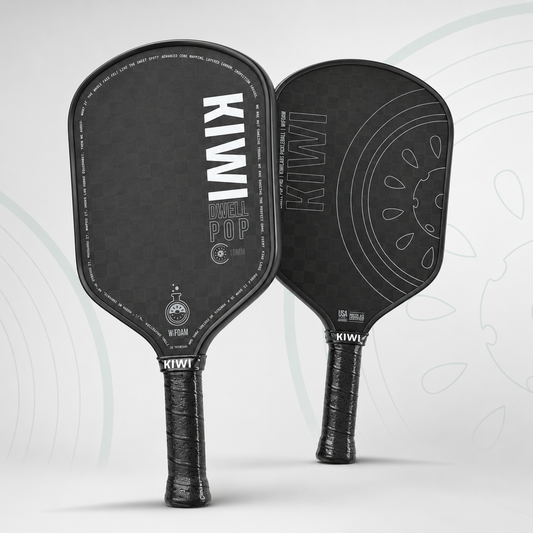
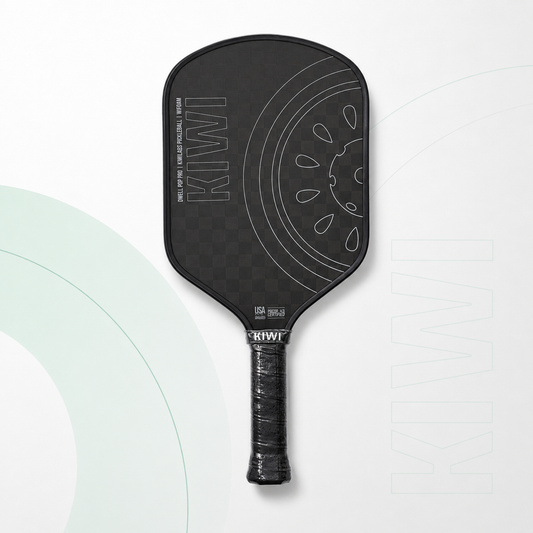
For players who want modern materials, generous sweet spots, and real performance value without legacy-brand markups, Kiwi Labs Pickleball builds options across control, all-court, and power-focused play. The best paddle is not automatically the most expensive or the most aggressive. It is the one that gives you repeatable results on the shots that decide your points.
Do not wait for a paddle to split in half before making a change. When your equipment stops rewarding solid contact, a fresh paddle can make your familiar game feel like it belongs to you again.