


What 12K Carbon Technology Means for Your Paddle

A paddle face can look premium and still tell you almost nothing about how it will play. 12K carbon technology is one of those terms that gets thrown around often, usually beside a close-up photo of a tight carbon weave. It is a real material detail, but it is not a shortcut to guaranteed power, spin, or control. The way that carbon is built into the paddle matters far more than the label alone.
For players who research gear before buying, that distinction is worth understanding. A great paddle should help your serves carry deeper, your drives stay heavy, your resets feel stable, and your soft game stay connected. Carbon fiber can contribute to all of that. But the face, core, construction, shape, weight, and balance point have to work together.
What Is 12K Carbon Technology?
The “K” in 12K refers to the number of individual carbon filaments grouped into a single tow, or bundle. A 12K tow contains roughly 12,000 filaments. For comparison, 3K carbon uses bundles of about 3,000 filaments.
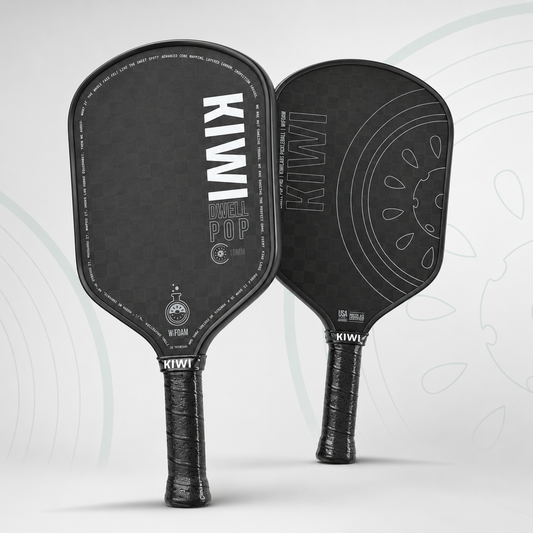
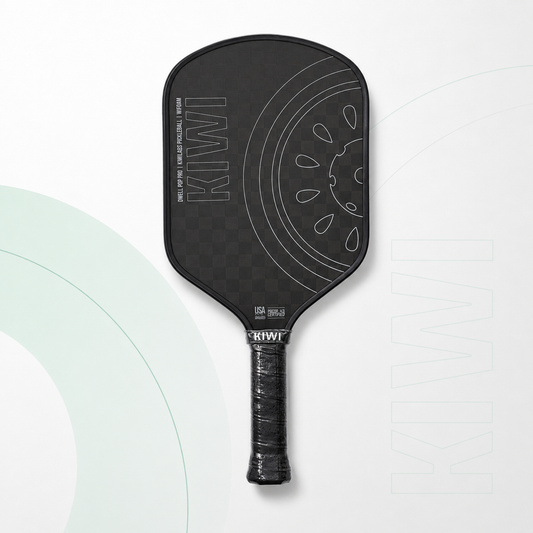
When manufacturers weave those larger bundles into a paddle face, the result is often a more visible, checkerboard-like pattern. That visual is why 12K carbon is easy to market. It has a technical look that stands out from a smoother painted or peel-ply surface.
But 12K does not mean the paddle has 12,000 layers of carbon, and it does not automatically mean the face is thicker, stronger, or more advanced than every 3K or raw carbon alternative. It simply describes the size of the carbon fiber bundle used in that fabric. The resin system, weave direction, number of face layers, and how the face bonds to the core all help determine actual performance.
How a 12K Carbon Face Can Affect Play
A well-executed 12K carbon face can create a crisp, connected response at contact. Many players describe the feel as firm yet controlled, especially when the paddle uses a quality honeycomb or foam-supported core behind it. That can be useful during fast hand battles, blocks, counterattacks, and drives where you want the paddle face to stay stable rather than twist or flutter.
The face also has the potential to support strong spin. Carbon fiber naturally creates friction with the ball, and a textured finish can add more bite. On a good topspin serve or roll volley, that grip helps you shape the ball with confidence. On a cut dink, it can help the ball stay lower after crossing the net.
Still, spin is not determined by the weave label. A 12K face with a smooth finish may produce less spin than a raw carbon face with a more aggressive, durable texture. Some paddles rely on added grit for traction, while others use the natural texture of the carbon itself. Added grit can feel great early on but may wear down over time. A quality raw carbon surface often offers more consistent long-term friction, though the exact result depends on the manufacturer’s finish.
Power is equally nuanced. Carbon faces can transfer energy efficiently, but pop comes from the complete paddle build. Thermoformed edges, foam-injected walls, core density, swing weight, and face stiffness all play a role. A 12K paddle can feel plush and control-oriented, or it can feel lively and aggressive. The name on the face does not settle that question.
12K Carbon vs. 3K Carbon vs. Raw Carbon
Comparing face materials is useful, as long as you do not mistake one spec for the whole story.
12K carbon
12K carbon commonly creates a pronounced woven appearance and a solid, stable feel. It can be an excellent fit for all-court players who want a face that feels dependable during both soft exchanges and firmer attacks. Depending on the finish and construction, it may offer a slightly more structured response than a finer weave.
3K carbon
3K carbon uses smaller fiber bundles, which creates a finer visual pattern. It has been used in many quality performance paddles and can deliver excellent feel, touch, and spin. A 3K face is not inherently less capable than 12K. In fact, a well-designed 3K paddle can easily outperform a poorly built 12K paddle.
Raw carbon fiber
Raw carbon is a broader term that generally refers to an exposed carbon face rather than a heavily coated or painted one. Players often seek it out for its natural texture and spin potential. A raw carbon face can use different weave styles, including 3K and 12K. That means “raw carbon” and “12K carbon” are not necessarily competing categories. A paddle can be both.
The smarter question is not, “Which one is best?” Ask which construction gives you the touch, stability, spin, and pace you need. Players who live at the kitchen may prioritize predictability on dinks and resets. Players who attack from midcourt may want extra pop and a firmer response. The right face should support your game without forcing you to overhit.
What Matters More Than the 12K Label
If you are comparing paddles, put 12K carbon technology in context with the specs that shape every shot. These are the details worth looking at closely:
- Core thickness: A 16 mm core generally offers more control, vibration absorption, and dwell time. A thinner 13 mm or 14 mm core can feel quicker and more explosive, though it may be less forgiving on off-center contact.
- Construction method: Thermoformed paddles can create a stiffer, more unified structure with added perimeter stability. Non-thermoformed builds may offer a softer, more traditional feel. Neither is automatically better for every player.
- Sweet spot and twist weight: A large, stable sweet spot makes mishits less punishing and helps your paddle hold steady against hard drives. This matters far more in real games than an impressive weave photo.
- Shape and balance: Elongated paddles can add reach and leverage on serves, while wider shapes often feel more forgiving at the kitchen. A head-heavy paddle may bring more put-away power but can slow hands during rapid exchanges.
- Surface texture durability: Spin matters on day one, but it matters just as much after weeks of league play. Look for a face built to maintain useful traction rather than relying on a temporary coating.
Who Should Consider a 12K Carbon Paddle?
A 12K carbon paddle can make sense for a wide range of players, particularly intermediates and competitive recreational players who want more than a basic fiberglass response. The firmer carbon feel can help you hit more intentional third-shot drops, counters, and topspin drives. It may also appeal to players moving from an entry-level paddle who want better consistency without jumping into a paddle that feels overly stiff or demanding.
For beginners, the material is less important than forgiveness. A large sweet spot, manageable weight, and control-friendly core will do more for early improvement than chasing a specific weave. If 12K carbon comes in a paddle with those qualities, great. If not, a different carbon construction may be the better choice.
For advanced players, the decision comes down to feel. Some want the direct feedback and stable response a 12K face can provide. Others prefer a grittier raw carbon texture, a softer face, or a more explosive thermoformed build. If possible, pay attention to how the paddle performs on your least glamorous shots: resets under pressure, defensive blocks, short dinks, and off-center returns. Those shots reveal more than a few clean drives in warmups.
Don’t Buy the Weave, Buy the On-Court Result
The pickleball industry loves a material buzzword because it makes comparison shopping look simple. But players deserve better than a spec-sheet arms race. A 12K carbon face can be a high-quality feature, especially when paired with thoughtful construction and a durable textured surface. It can offer stability, usable spin, and a confident feel across the court.
It can also be mostly cosmetic if the paddle behind it has an undersized sweet spot, an unbalanced build, or a core that does not match your style. That is the trade-off to remember.
Choose the paddle that makes your next reset calmer, your next serve heavier, and your next kitchen exchange more controlled. If it happens to use 12K carbon technology, that is a good detail. It just should not be the only reason it earns a place in your bag.