


Do Paddles Matter? What Changes Your Pickleball Game

A paddle will not turn a missed third-shot drop into a winner by itself. But when you are fighting dead dinks, inconsistent resets, short serves, or a ball that launches off the face at the kitchen line, the question becomes very real: do paddles matter in pickleball?
They do. More than a casual player may expect, and less than the biggest marketing claims suggest. The right paddle cannot replace footwork, patience, or clean contact. What it can do is make good technique more repeatable by giving you a bigger usable sweet spot, more predictable response, better access to spin, and a feel that matches the way you want to construct points.
That difference shows up one ball at a time. Then it shows up on the scorecard.
Do Paddles Matter for Every Level of Player?
Yes, but the benefits change with your game.
For a newer player, a well-built paddle can make pickleball less frustrating. A forgiving face and stable construction reduce the punishment for contact that is slightly off-center. You still need to learn how to control the ball, but you are not battling random vibration or an undersized sweet spot on every other shot.
For an improving intermediate, paddle choice becomes more noticeable. This is the stage where players begin hitting intentional drops, rolling dinks, counters, and topspin drives. A paddle with a quality carbon fiber face and a responsive core gives those inputs a clearer result. You can create shape on the ball without swinging harder, and you can hit with pace without giving up all your touch.
Competitive players tend to notice the smallest differences. They care about whether a paddle stays stable against a hard body shot, whether it resets heavy drives without twisting, and whether the ball sits on the face long enough to add spin. At that level, feel is not a vague preference. It is information you use to make decisions under pressure.
The honest answer is that a better paddle has the greatest value when it supports a skill you are actively building. Buying a power-focused paddle will not fix a rushed swing. But if your mechanics are sound and your current paddle feels unstable, inconsistent, or underpowered, an upgrade can be a meaningful performance move.
What Actually Makes One Paddle Different From Another?
The logo on the face is not the point. Construction is.
The face affects spin and feedback
Raw carbon fiber faces have become popular for a reason. Their textured surface helps players grip the ball, creating more topspin on drives, sharper slice on returns, and more movement on serves. Spin gives you margin. A topspin drive can clear the net with confidence and still dip into the court. A sliced dink can stay low and force an awkward pickup.
Face material also changes feedback. Some paddles feel crisp and immediate, while others feel softer and more connected. Neither is automatically better. A player who likes fast counters may want a livelier response. A player who wins with drops, dinks, and resets may prefer a face that feels more controlled at lower speeds.
Texture alone is not magic. You still need proper brushing contact and paddle path. But a spin-friendly surface makes it easier to access the spin your technique is already capable of producing.
The core determines control, power, and dwell time
Inside the paddle, the core does much of the work. Core thickness, material, cell structure, and construction method all influence how the ball comes off the face.
A thicker core typically favors control, absorption, and a larger forgiving area. It can help calm fast exchanges and make soft shots feel less jumpy. Thinner paddles often provide a quicker, more direct response that appeals to players who want hand speed and put-away power.
Then there is dwell time: the brief moment the ball compresses into the paddle face before rebounding. More dwell can help a paddle feel connected and controlled, especially when you are shaping a drop or rolling a dink. A more explosive response can create useful pop on counters and speed-ups, but too much pop can make touch shots harder to manage.
Modern thermoformed and full-foam designs can increase stability and power by reinforcing the paddle's structure. Done well, that construction helps expand the sweet spot and keeps the paddle from feeling flimsy on off-center contact. Done poorly, it can feel overly stiff or unpredictable. That is why materials and design matter more than buzzwords.
Shape changes reach, speed, and forgiveness
Standard and widebody shapes generally place more paddle surface where most players strike the ball. That can create a generous sweet spot and a stable feel, which is valuable for blocking, resetting, and handling fast hands battles.
Elongated paddles add reach. They can help on backhand rolls, passing shots, and stretched-out volleys, and they often reward players who generate their own pace. The trade-off is that elongated designs may feel less forgiving near the edges and can be slower to maneuver at the kitchen.
There is no universal winner. If you frequently feel late on quick exchanges, prioritize maneuverability and forgiveness. If you want more reach and enjoy driving from the baseline, an elongated shape may fit your game better.
Weight and balance decide how a paddle moves
Paddle weight is not just a number on a product page. It affects timing, stability, fatigue, and confidence.
A lighter paddle is easier to accelerate and can feel fast in hand. It is often a comfortable choice for quick volley exchanges and players who want less stress on the arm. A heavier paddle can bring more plow-through and stability when absorbing pace, but it may feel slower on rapid hand changes.
Balance matters just as much. Two paddles with the same listed weight can play completely differently. A head-heavy paddle may deliver more momentum and reach, while a more balanced or handle-weighted setup can feel quicker and easier to control. The best option is the one that lets you arrive on time without losing stability through contact.
A More Expensive Paddle Is Not Always Better
This is where pickleball gear gets noisy. Premium pricing does not guarantee premium performance, and a famous name does not automatically mean a paddle matches your game.
You should expect a quality paddle to use legitimate materials, have consistent construction, and deliver the traits it claims to deliver. But paying more simply because a brand has a major tour presence is not a strategy. Look for the details: face material, core thickness, shape, weight range, edge construction, and the on-court outcome those features are meant to create.
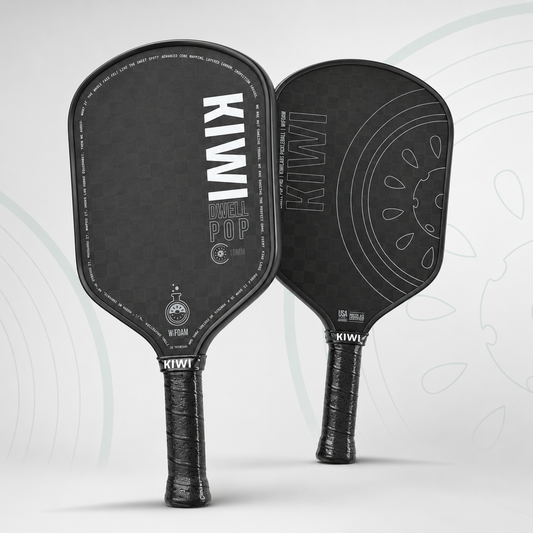
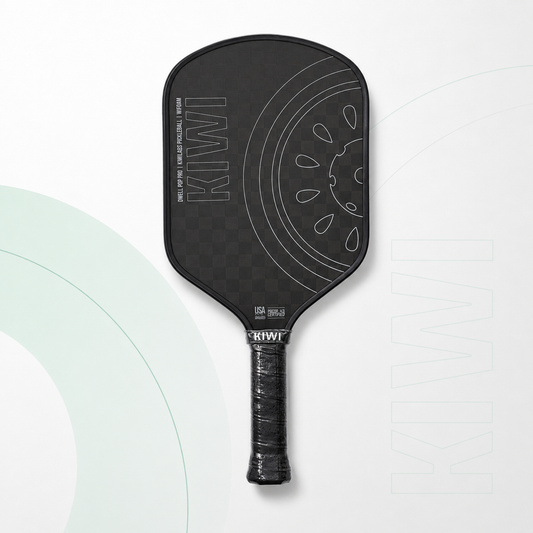
Value is not about choosing the cheapest paddle. It is about avoiding inflated pricing for technology that has become standard. Kiwi Labs Pickleball builds modern carbon fiber and advanced construction options around the performance players actually feel: usable spin, stable sweet spots, controlled touch, and reliable pop.
How to Tell if Your Current Paddle Is Holding You Back
Your paddle may be a limiting factor if you regularly experience the same equipment-related problem despite improving technique. Maybe your resets spray high when opponents speed up. Maybe the face feels dead on drives. Maybe your paddle twists on defensive blocks, or your dinks feel unpredictable unless you slow your swing to a crawl.
It may also be time for a change if your game has moved beyond your original needs. A beginner-friendly paddle can be the right starting point, then become too soft or underpowered once you are confidently attacking balls and adding spin. Conversely, a high-pop paddle can make a newer player's short game harder than it needs to be.
Do not diagnose every error as a paddle issue. If your third-shot drops are landing in the net because you are decelerating, no carbon fiber face fixes that. If your paddle performs inconsistently on clean, repeatable contact, however, equipment deserves a closer look.
Choose for Your Misses, Not Just Your Best Shots
The smartest way to choose a paddle is to think about the shots that break down under pressure. If your soft game needs help, look for control, stability, and a forgiving sweet spot. If your drives lack depth and opponents are comfortable countering you, seek more pop and spin potential. If you feel late at the kitchen, a quicker, more maneuverable build may matter more than maximum power.
Your best paddle is not necessarily the one that makes one highlight-reel overhead feel huge. It is the one that helps your average drop land softer, your average reset stay lower, and your average counter find the court. Pick the equipment that makes your next hundred points more playable, then give yourself enough court time to learn what it can really do.