


What Paddle Face Gives More Spin in Pickleball?

A paddle can have a huge sweet spot, plenty of pop, and a premium price tag, yet still leave your drops floating and your passing shots sitting up. If you are asking what paddle face gives more spin, the short answer is a textured raw carbon fiber face is usually the strongest place to start. But the best answer is more useful: reliable spin comes from the face's friction, how long the ball stays on it, and whether the texture lasts after weeks of hard play.
A face that produces eye-catching spin in a first-hit demo is not automatically the face that will help you shape serves, roll volleys, and attack off the bounce three months later. That distinction matters when you are buying a paddle for real match play, not just marketing claims.
What Paddle Face Gives More Spin? Raw Carbon Usually Wins
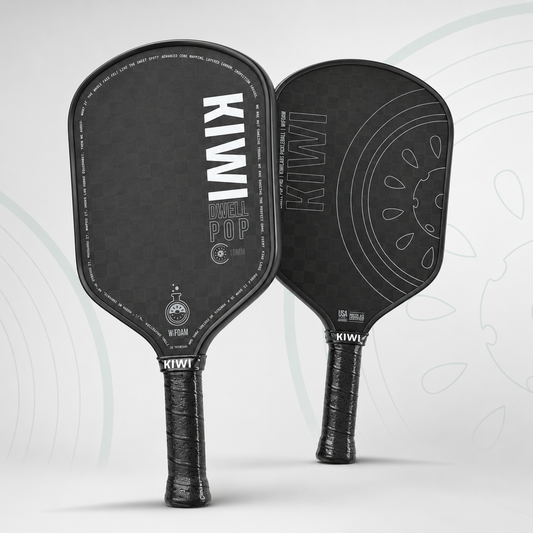
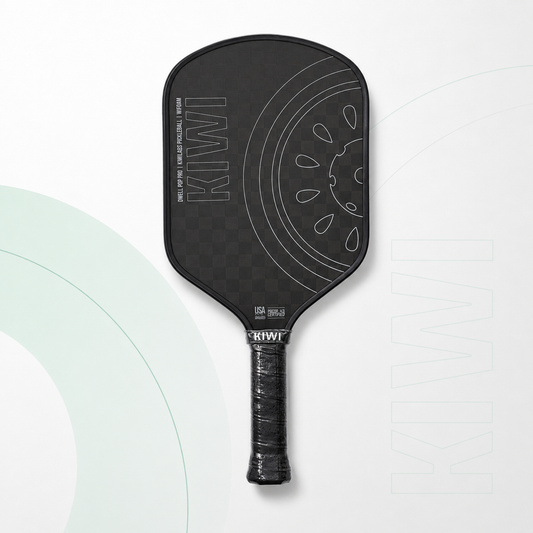
For most players, a raw carbon fiber face delivers the best blend of spin, control, and durability. "Raw" does not simply mean dark-colored carbon. It generally refers to a carbon surface where the playable texture is created in the material itself, often through a peel-ply manufacturing process, rather than added as a painted grit layer.
That texture gives the ball something to grab during contact. When you brush up the back of the ball on a serve or carve across it on a dink, the face creates friction. More usable friction helps the ball rotate faster, producing topspin that drops inside the baseline or slice that stays low after the bounce.
Raw carbon also tends to offer a connected, controlled feel. It can hold the ball on the face for a fraction longer than a very stiff, slick surface. That extra dwell time gives you more opportunity to impart spin and aim the shot. The difference is small in milliseconds, but it is very noticeable at the kitchen line when you are trying to reset a hard drive or roll a compact backhand volley.
Not every raw carbon paddle is equally spin-friendly. The carbon weave, texture treatment, resin system, and manufacturing consistency all affect performance. Still, when comparing face materials broadly, textured raw carbon is the category that most consistently gives competitive players the spin they are looking for.
Texture Matters More Than the Label
Players often ask whether carbon fiber, graphite, fiberglass, or aramid gives the most spin. Material matters, but the surface texture matters more than the headline on the product page.
A smooth carbon face can be less effective for spin than a well-textured fiberglass face. Likewise, a paddle marketed as graphite may have a texture treatment that performs well initially but wears down faster than an integrated raw carbon texture. Do not buy based on material language alone. Look for a surface designed to maintain legal, usable friction over time.
There are two common approaches to creating texture. One is a textured or peel-ply carbon surface built into the face. The other is an applied grit or coating. Applied grit can generate strong spin right out of the box, but lower-quality coatings may fade with regular use, especially around the center of the paddle where you make the most contact.
Integrated texture is usually the smarter long-term play. It is less dependent on a temporary coating and better suited for players who hit often, practice drills, and want their paddle to feel consistent from week one through the heart of the season.
Pickleball rules also limit how rough a paddle face can be. That is a good thing. The goal is not to find an illegally abrasive surface. The goal is to find a legal face that creates dependable friction without turning every shot into a lottery ticket.
Why Carbon Fiber Helps You Shape the Ball
Spin is not just about grabbing the ball. You need enough control to make that rotation useful.
Textured carbon fiber tends to give players a more predictable response at moderate swing speeds. On a third-shot drop, that predictability helps you brush the ball with topspin while keeping it from sailing long. On a dink, it helps you add a little slice without popping the ball too high. On a serve, it lets you swing with intent and create a dipping trajectory rather than simply pushing the ball deep.
Fiberglass faces are often associated with more lively pop. That can be fun and effective for players who want easier pace, but a livelier response can make delicate spin shots harder to manage. If you catch a fiberglass paddle too firmly on a soft drop, the ball may launch before you have fully shaped it.
That does not make fiberglass a bad choice. Beginners who need help generating depth and players who prioritize put-away power may prefer it. But if your main goal is heavy topspin drives, low skidding slices, and controlled kitchen play, raw carbon generally provides the more complete spin-and-control package.
Aramid or hybrid faces can also feel excellent, particularly for players who like a softer, plush response. Yet aramid alone is not a magic spin material. Its surface construction and texture still determine whether it delivers serious rotational potential. Ignore the buzzwords and focus on the actual face design.
The Core Changes How Much Spin You Can Use
The face starts the conversation, but the paddle core determines how easy it is to use that spin under pressure.
A softer or more forgiving core can increase dwell time. With slightly longer ball contact, players often feel they can roll, brush, and manipulate the ball more confidently. This is one reason control-oriented paddles with thick polymer honeycomb cores or modern full-foam construction can feel so spin-friendly, even when another paddle has a similar raw carbon face.
A firmer, hotter core can reduce that cushioned dwell while adding pop. For aggressive players, that can be a winning trade-off. A fast counterpunch with moderate topspin may be more dangerous than a slower ball with maximum rotation. The right choice depends on whether you win more points through pressure and speed or through shape, placement, and resets.
Thermoformed construction can add stability and power around the perimeter, which helps when you are swinging hard for topspin drives. But thermoforming itself does not create spin. A thermoformed paddle with a smooth or weakly textured face will not suddenly become a spin machine. Construction supports the shot. The face supplies the friction.
How to Spot a Spin-Friendly Paddle Before You Buy
Start by looking for a raw carbon fiber face with durable, built-in texture. Then evaluate the rest of the paddle around your style of play.
Players who live at the kitchen line should favor a controllable response, a large sweet spot, and enough dwell to shape dinks, rolls, and resets. Baseline attackers may want the same textured face paired with more swing weight or a livelier build, giving their topspin drives greater penetration. All-court players usually benefit from a balanced build that does not force them to sacrifice touch for pace.
Do not overlook paddle shape. An elongated paddle can provide extra reach and leverage for aggressive serves and drives, but it may have a narrower sweet spot. A standard or hybrid shape often feels more stable and forgiving on off-center blocks and quick hand battles. More spin does not help much if your contact quality drops when the point speeds up.
Also pay attention to how the paddle feels in your hand. If it is too head-heavy, you may generate plenty of spin on full swings but struggle to reload for quick topspin counters. If it is too light, you may lack the stability to keep your face angle steady against hard shots. The best spin paddle is one you can accelerate and control repeatedly.
Kiwi Labs builds around this player-first reality: premium materials and modern surface technology should help your game without forcing you to pay legacy-brand prices for a logo.
Your Technique Still Decides the Result
The right face can make spin easier, but it cannot replace clean mechanics. To create topspin, brush upward and forward through the ball with a stable paddle face. To create slice, carve under and across the ball without opening the face so much that it floats.
Contact matters as much as the swing path. Catch the ball in front of your body, especially on volleys and roll shots. On groundstrokes, give yourself enough spacing to accelerate through the ball rather than reaching and flicking. A textured carbon face rewards those fundamentals with more rotation and a more predictable flight path.
If you are choosing between a cheap paddle with an aggressive temporary grit coating and a well-built raw carbon paddle with durable texture, choose the face you can trust after hundreds of shots. The best spin is not the biggest number in a demo. It is the spin that still brings your serve down, keeps your dink low, and gives you confidence to swing at the ball when the score gets tight.